Categories
Home

10 Must-Know Home Repairs for Every Homeowner

Owning a home is an exciting milestone, but it also comes with significant responsibilities. A house is more than a living space; it’s an investment that needs constant care and attention. While routine maintenance is essential, unexpected issues can arise at any moment, making it crucial to understand some of the most common home repairs. From fixing broken appliances to maintaining your roof, knowing when to handle a repair yourself and when to call in a professional can save you time, money, and frustration. Becoming your own “house expert” means staying proactive about home upkeep rather than waiting for problems to escalate.

Every home faces unique challenges based on its age, construction, and location. Seasonal changes, wear and tear, and natural elements all play a role in how well your home holds up over time. By understanding the most important home repairs, you’ll be better equipped to keep your property safe, functional, and comfortable. In this blog, we’ll explore ten must-know repairs every homeowner should understand. These include everything from carpet fixes and appliance tune-ups to roofing and plumbing issues. With the right knowledge, you can be your house expert and ensure your home remains in top condition year-round.

Fixing Floors with Repairs

Carpet adds warmth and comfort to your home, but it’s also susceptible to stains, burns, and everyday wear. While vacuuming and steam cleaning can help with maintenance, there are times when you’ll need proper carpet repair to restore its original appearance. For instance, small tears, pulled threads, or frayed edges can often be patched or stretched rather than replaced entirely. Learning how to fix minor carpet issues can save hundreds of dollars compared to installing new flooring.

A house expert understands that certain carpet problems require professional attention, such as large burns or deep-set stains that standard cleaning methods can’t remove. Professionals use specialized tools to trim, patch, or re-stretch carpet, blending it seamlessly with the surrounding area. Additionally, carpet repair is vital when preparing a home for resale. A home with well-maintained flooring instantly looks more inviting and valuable to potential buyers. Regular inspection of high-traffic areas, along with proper cleaning techniques, can prevent long-term damage. Whether you take on small fixes yourself or hire a pro, carpet repair is a cost-effective way to extend the life of your flooring and keep your home looking fresh.

Restoring Comfort with AC Repair

Restoring Comfort with AC Repair

When summer temperatures soar, a functioning air conditioning unit is essential for keeping your home cool and comfortable. However, AC systems can fail unexpectedly due to clogged filters, refrigerant leaks, or mechanical issues. This is where an ac repair service comes in handy. A professional technician can diagnose problems quickly, from broken compressors to faulty thermostats, ensuring your system runs efficiently again. Regular maintenance checks can also prevent sudden breakdowns, saving both money and stress.

A house expert knows the importance of seasonal tune-ups for AC systems. Cleaning coils, replacing filters, and inspecting ductwork help maintain energy efficiency while extending the unit’s lifespan. Ignoring signs like strange noises, weak airflow, or sudden spikes in energy bills can lead to bigger, costlier problems down the line. In some cases, minor adjustments or repairs are enough, but older units may require replacement if they’re no longer cost-effective. Working with a reliable ac repair service ensures your home remains comfortable during even the hottest days of the year while helping you save on energy costs.

Addressing Structural Needs with Repairs

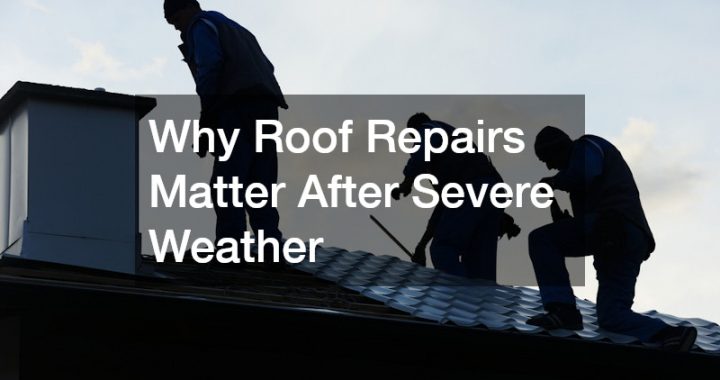
Your roof is your home’s first line of defense against the elements, so roof repair is a priority for every homeowner. Over time, shingles can curl, crack, or go missing due to storms, wind, or natural aging. Left unaddressed, these problems can lead to leaks, water damage, and even structural deterioration. Regular roof inspections, especially after severe weather, help identify issues before they escalate.

A house expert will tell you that while minor roof repair tasks like replacing a few shingles might be DIY-friendly, larger projects require professional expertise. Professionals can safely assess areas of concern, check flashing around chimneys and vents, and identify underlying issues like sagging sections or mold growth. Repairing roof damage promptly helps maintain your home’s energy efficiency, as a damaged roof can allow warm or cool air to escape. Additionally, a well-maintained roof adds significant curb appeal and property value. Whether you’re patching up a leak or planning a full replacement, proactive roof repair ensures your home remains safe and weather-resistant year-round.

Staying Warm with a Heater

Staying Warm with a Heater

When winter hits, a malfunctioning heating system can quickly turn your home into an uncomfortable, chilly environment. Heater repair is crucial for maintaining indoor comfort and preventing further damage to your system. Common issues include faulty pilot lights, broken thermostats, or clogged filters. Regular maintenance—such as cleaning vents and inspecting the furnace—can help avoid these problems, but professional help is often needed for more serious issues like a cracked heat exchanger or damaged blower motor.

A house expert recognizes the signs of a failing heating system early. Unusual noises, uneven heat distribution, or rising energy bills are all indicators that something is wrong. Calling in a professional ensures that the problem is correctly diagnosed and fixed before it worsens. Timely heater repair not only restores warmth but also improves energy efficiency, saving you money in the long run. With routine servicing and prompt attention to problems, you can ensure your heating system works reliably throughout the coldest months, providing peace of mind and consistent comfort.

Keeping Drains Clear with Sewer Line Repairs

Few home problems are as unpleasant as a clogged or damaged sewer line. Slow drains, foul odors, and backed-up sinks or toilets are all signs that you may need a sewer line repair service. These issues often result from tree root intrusion, collapsed pipes, or years of buildup inside the system. Ignoring them can lead to costly water damage, health hazards, and even contamination of your property.

A house expert knows that sewer line issues require specialized tools like cameras and hydro-jetting equipment to accurately diagnose and resolve the problem. While minor clogs can sometimes be fixed with plungers or drain snakes, extensive damage calls for professional repairs or replacement. Modern repair techniques, such as trenchless sewer line replacement, minimize disruption to your yard while fixing the problem efficiently. Routine inspections and maintenance are key to preventing major sewer problems. By addressing issues early with a trusted sewer line repair service, homeowners can avoid extensive damage and keep their plumbing system running smoothly.

Refreshing Bathrooms with Bathtub Repairs

Refreshing Bathrooms with Bathtub Repairs

Your bathtub is both a practical fixture and a place of relaxation, but it can suffer from cracks, chips, or stains over time. Rather than replacing the entire tub, which can be expensive, a bathtub repair service offers a cost-effective alternative. Professionals can refinish or reglaze the surface, restoring its shine and eliminating damage while extending the life of the fixture.

A house expert understands that DIY solutions for bathtubs often provide only temporary results. Professional repair services use high-quality materials and techniques to achieve a long-lasting finish that can withstand daily use. Whether you have fiberglass, acrylic, or porcelain tubs, specialized services can fix damage while improving aesthetics. A freshly repaired bathtub also boosts the overall appeal of your bathroom, which is a key selling point if you’re considering putting your home on the market. With regular maintenance and the help of a bathtub repair service, you can maintain a clean, functional, and inviting bathroom space for years to come.

Tackling Leaks with Plumbing

From dripping faucets to burst pipes, plumbing repairs are a critical part of homeownership. Water leaks not only waste resources but can also cause significant structural damage if left unresolved. Common plumbing issues include clogged drains, leaking pipes, or malfunctioning water heaters. While some minor repairs can be DIY-friendly—like replacing washers or unclogging drains—larger problems require professional expertise.

A house expert will tell you that preventative maintenance is key when it comes to plumbing. Regularly inspecting pipes for signs of corrosion, monitoring water pressure, and flushing water heaters can prevent costly issues down the line. If you notice water stains on walls, slow drains, or persistent leaks, it’s time to call in a professional for thorough plumbing repairs. Prompt action helps avoid mold growth, water damage, and expensive restoration work. By staying proactive and addressing plumbing issues as soon as they arise, you can protect your home and maintain a healthy, efficient water system.

Managing Outdoor Features with Pool Repairs

Managing Outdoor Features with Pool Repairs

A backyard swimming pool is a luxury, but it also requires consistent care to remain safe and functional. Cracked tiles, malfunctioning pumps, or cloudy water can all indicate the need for swimming pool repair. Regular cleaning, water testing, and filter maintenance help prevent these issues, but professional repairs are sometimes necessary to fix leaks, damaged liners, or faulty heating systems.

A house expert knows that keeping a pool in good condition involves both preventative maintenance and timely repairs. For example, pool pumps and heaters need regular servicing to ensure they work efficiently. Neglecting these components can lead to higher energy bills and a less enjoyable swimming experience. Safety is another reason to prioritize swimming pool repair. Broken tiles or loose ladders pose hazards, especially for families with children. By working with experienced pool technicians, homeowners can ensure their outdoor oasis remains a place of relaxation and fun rather than stress and costly repairs.

Extending Appliance Lifespan with Repairs

Household appliances make daily life easier, but when they break down, they can disrupt your entire routine. Instead of rushing to replace a malfunctioning fridge, washer, or oven, consider appliance repair as a first step. Often, simple fixes like replacing worn parts or cleaning components can restore an appliance to full functionality. Professional repair services can also diagnose complex problems, saving you money compared to buying a brand-new appliance.

A house expert understands that regular maintenance is crucial for extending the lifespan of appliances. Cleaning filters, checking seals, and avoiding overloading machines can prevent common issues. Many modern appliances are designed with energy efficiency in mind, and repairing them helps maintain those benefits. Additionally, appliance repair is more eco-friendly than replacement, as it reduces waste. By choosing to repair instead of replace, you save money, protect the environment, and keep your home running smoothly.

Maintaining Driveways with Asphalt Repairs

Your driveway is one of the first things people notice about your home, and asphalt crack repairs are essential for keeping it in good shape. Over time, weather, heavy traffic, and natural wear can cause cracks and potholes to form. If left untreated, these small issues can worsen, leading to costly resurfacing or full replacement. Regular maintenance, including sealing and filling cracks, helps extend the life of your driveway.

A house expert knows that addressing cracks early prevents water from seeping in and causing further damage during freeze-thaw cycles. While small cracks can often be filled with DIY products, larger or deeper cracks require professional intervention. Professionals use high-quality materials and techniques to ensure a smooth and durable finish. A well-maintained driveway not only improves curb appeal but also provides a safe and functional surface for vehicles. Regular asphalt crack repairs are a simple yet effective way to protect your investment and enhance your home’s exterior.

Homeownership comes with its fair share of challenges, but being prepared for common repairs makes the journey smoother. By learning the basics and knowing when to call professionals, you can save money and keep your home in excellent condition. A proactive approach to maintenance is the key to avoiding costly emergencies.

Remember, a well-maintained home is not just about aesthetics—it’s about comfort, safety, and long-term value. By taking charge of these essential repairs, you’ll feel more confident as a homeowner and ensure that your home continues to be a place of pride and joy. With these ten must-know repairs, you’re well on your way to becoming the ultimate house expert.

Categories
Home

Paint Like a Pro With These Tips

Discover the essential tips and techniques to elevate your painting skills, whether you’re painting walls, furniture, or art. In this article, we address some of the most common questions to help you paint like a pro, including insights gathered from expert paint stores. By incorporating professional advice, you’ll be able to achieve the desired finish in your painting projects.


Video Source

Choosing the Right Tools and Materials

1.1 Brush Selection: Types and Uses

The variety of brushes available can be overwhelming, but each type has a specific purpose. Flat brushes are ideal for large surface areas, while round brushes are perfect for detailed work. Natural bristle brushes are recommended for oil-based paints, and synthetic bristles work best with water-based paints, available at quality paint stores.

Brushes with angled tips are excellent for precision work, such as cutting in edges and corners. For a smooth, even finish, consider a foam brush, especially when applying varnish or a sealant. Regular cleaning and maintenance of brushes will prolong their lifespan and maintain quality performance.

A variety of brush sizes is beneficial for any painter’s toolkit, enabling versatility in your work. Smaller brushes allow for intricate detailing, while larger brushes expedite the painting of extensive areas. Always invest in high-quality brushes from reputable paint stores to ensure the best results.

1.2 Selecting the Right Paint: Finishes and Bases

The choice between different paint finishes—matte, satin, gloss—depends on the desired aesthetic and functional requirements. Matte finishes are popular for their non-reflective qualities, while gloss finishes offer a sleek, light-reflective surface. Semi-gloss and satin fall in-between, ideal for areas needing durability while retaining some lustrous appeal.

Bases matter when selecting paints, with latex being common for its fast drying, low odor, and easy cleanup qualities. Oil-based paints, on the other hand, are revered for their smooth finish and superior adhesion qualities but require longer drying times. Paint stores often provide expert guidance on which type will best suit your project needs.

When selecting paint, consider environmental factors such as humidity and sun exposure. High humidity may affect paint’s drying process, and UV-resistant paints are recommended for outdoor projects. Consulting professionals at paint stores can assist in matching paint features to your specific conditions effectively.

Preparing Your Space for Painting

2.1 Surface Preparation: Cleaning and Priming

A meticulous preparation of surfaces before painting is crucial for durable and professional outcomes. Begin by thoroughly cleaning surfaces with a mild detergent solution to remove grease, dust, and grime. Once clean, inspect for imperfections, holes, or cracks that require patching.

Priming is essential not only for color uniformity but also for enhancing paint adhesion. Different primers are available depending on the surface material—wood primers for furniture and metal primers for metallic surfaces, both commonly found in paint stores. Skipping primer can lead to uneven finishes and premature paint failures.

The fact that well-prepared surfaces significantly prolong the lifespan of paint cannot be overstated. A smooth, primed base ensures fewer coats of paint and better longevity under wear. Quality primers from reputable paint stores will provide a solid foundation for your work.

2.2 Masking and Taping Techniques

Accurate masking and taping are fundamental for achieving precise edges and clean lines. Begin by carefully measuring and marking areas that need taping. Opt for painter’s tape instead of regular masking tape, as it is specifically designed to prevent paint bleed.

When applying tape, ensure all edges are smoothly adhered to avoid seeping paint. Removing tape at a 45-degree angle shortly after the last coat is crucial to prevent dried paint from peeling. Evidence of mastery in taping techniques often distinguishes amateur efforts from professional finishes.

Patience is key to the success of masking techniques, as hasty application can result in unsatisfactory lines. Paint stores often offer classes and resources to improve your taping abilities. Consistently practicing these techniques will enhance precision and efficiency over time.

Executing Advanced Painting Techniques

3.1 Layering and Blending Techniques

Layering and blending are pivotal techniques in achieving depth and dimension in paintwork. Start with a base color, allowing it to dry before applying subsequent layers for a complex texture. Blending while wet ensures seamless transitions between colors for gradient effects.

Utilize brushes or sponges for blending; each tool offers unique outcomes in texture and smoothness. Experimentation with pressure and angle within the same paint layer can alter the visual impact convincingly. Paint stores can introduce diverse tools and mediums to enhance your layering repertoire.

Understanding the drying time of paints is critical, as it affects the feasibility of blending. Acrylic paints, which dry quickly, may require additives to extend working time, available at many art-focused paint stores. Continual practice refines the delicate art of blending, encouraging unique stylistic development.

3.2 Creating Textures and Patterns

Textures and patterns add a dimension of sophistication and interest to painted surfaces. Techniques such as sponging use natural sea sponges to dab paint, creating organic textures. Stippling, involving a stipple brush or stiff-bristle brush, results in a soft dotted effect equally suitable for walls and art pieces.< /p>

Rolling techniques, achieved with textured rollers, are ideal for consistent patterns or large, repeatable textures. Dragging techniques, which use tools like combs or brushes pulled through wet paint, impart lines or grooves. Investigating these techniques with expert guidance from paint stores can prevent unnecessary frustrations.

Experimenting with different tools will reveal new textures and effects, expanding creative possibilities. Customizing patterns with handmade stamps or stencils personalizes any project, maintaining uniqueness. Supplies and advice from reputable paint stores are invaluable when exploring these creative methods.

With the right tools, preparation, and techniques, you’ll be painting like a pro in no time. These tips will guide you through each step to ensure your projects look polished and professionally done. By consistently applying learned knowledge and investing in quality materials from paint stores, the effort shines through in every stroke.

Categories
Outdoor Renovation

Checklist: How to Verify a Home Builder Is Truly Experienced and Well-Reviewed

  • Always confirm licensing and insurance to ensure legal compliance and financial protection for your project.

  • Prioritize builders with at least 5–10 years of local experience and a solid portfolio that matches your project’s scale and style.

  • Rely on third-party platforms like Google, Houzz, and BBB for verified reviews rather than just website testimonials.

  • Visit previous or current job sites to inspect craftsmanship and, if possible, talk to past clients about their experience.

  • Check for professional credentials and memberships, such as with NAHB or green building certifications, which signal quality standards.

  • Evaluate how well the builder communicates—responsive, clear, and professional communication is essential for a successful project.

Introduction

Choosing the right home builder can be one of the most important decisions you’ll make as a homeowner. Whether you’re building a custom dream home or planning a major remodel, the quality of the builder you hire directly impacts the outcome, budget, and timeline of your project. Unfortunately, flashy websites and clever marketing often mask a lack of true industry expertise. That’s why it’s critical to know how to verify if a home builder is truly.For those beginning their journey, see our Top 7 Mistakes Homeowners Make When Choosing a Remodeling Company to avoid common pitfalls. experienced and well-reviewed before signing any contracts.

A home builder who is experienced and well-reviewed brings more than just tools and materials—they bring reliability, craftsmanship, and peace of mind. These professionals have a solid track record of delivering high-quality work and maintaining excellent relationships with past clients. But how can you separate skilled builders from those who simply talk the talk? This guide provides a practical, step-by-step checklist to help you investigate credentials, evaluate past work, and validate reviews and references. By following these smart verification strategies, you’ll ensure you hire a builder with the skills, transparency, and integrity to complete your project successfully—and stress-free.

1. Confirm Licensing and Insurance

Before entrusting someone with your home, the first thing you should confirm is whether they hold the proper licensing and insurance. Every state has different licensing requirements, but legitimate home builders will be more than willing to provide proof. Licensing ensures that the builder adheres to state and local building codes, passes necessary inspections, and is recognized as a professional in the field. Unlicensed builders can cost you dearly, not only in quality but also in potential legal liabilities.

Beyond licensing, ask for verification of general liability insurance and workers’ compensation. General liability protects you in case your property is damaged during construction, while workers’ comp ensures you aren’t liable if a laborer gets injured on the job. Request physical or digital proof of these policies and don’t be afraid to call the insurer to confirm coverage.

To walk through a systematic verification, consult our guide on Contractor Verification.

Key Checklist:

  • Use your state’s Contractor License Lookup portal.
  • Verify they carry general liability insurance.
  • Confirm workers’ compensation coverage.
  • Request documentation for your records.

2. Ask About Years of Experience

Experience is one of the best indicators of reliability. A home builder who has been working in the industry for several years is more likely to have encountered and resolved a wide range of issues. Ask how long they’ve been in business under their current company name, especially in your geographic area, as local experience matters in understanding zoning laws and environmental concerns.

Request a detailed portfolio of their completed projects, particularly those similar in scale and style to your own. Pay attention to consistency in the quality and architectural styles that match your taste. Experienced builders are also better at managing budgets, predicting timelines, and navigating permit requirements.

Key Checklist:

  • Look for at least 5–10 years of local experience.
  • Ask about the size and scope of past projects.
  • Request before-and-after photos.
  • Check for experience with homes in your desired architectural style.

3. Read Verified Reviews

Today’s digital landscape makes it easier than ever to learn what previous clients think about a builder’s work. However, not all reviews are created equal. While testimonials on a builder’s website are often curated, third-party platforms like Google, Houzz, and the Better Business Bureau provide more transparent feedback. These sources usually verify that reviews come from actual clients.

Look for recurring themes in the feedback—positive or negative. A builder with a pattern of excellent communication, timely project completion, and high-quality work likely provides consistent service. Be wary of builders with sudden drops in ratings or vague complaints that aren’t addressed publicly. It’s also a red flag if a builder has no online presence or reviews at all.

Key Checklist:

  • Check Google Reviews for authenticity and recency.
  • Browse the Houzz Directory for builders near you.
  • Look up the builder’s BBB rating and complaints.
  • Focus on reviews mentioning timelines, communication, and craftsmanship.

For strategies in evaluating review quality, see Interpret Customer Reviews Like a Pro.

4. Visit Past Job Sites

A reputable builder should have no problem giving you access to past or current job sites. Walking through a completed home or an ongoing build offers a valuable glimpse into their workmanship. It allows you to see the attention to detail, structural soundness, and the quality of materials used.

Pay close attention to details like alignment of trim, consistency of finishes, cleanliness of job sites, and the state of fixtures and fittings. Talking to the homeowners—if they’re available—is another great opportunity. Ask them about their experience with the builder, including how they handled changes, resolved issues, and stuck to budgets and timelines.

Key Checklist:

  • Ask for addresses of recent builds.
  • Evaluate exterior and interior workmanship.
  • Look at trim details, finishes, and layout execution.
  • Talk to homeowners about communication and satisfaction.

5. Check Builder Credentials

Professional builders usually hold memberships in local or national industry organizations. These affiliations suggest a commitment to best practices, ethics, and ongoing education. Being part of organizations like the National Association of Home Builders (NAHB) can be a strong indicator that the builder is serious about maintaining professional standards.

Credentials related to green building (such as LEED certification) or energy efficiency may also reflect a builder’s attention to innovation and sustainability. Such certifications show a willingness to go beyond the bare minimum and meet higher performance standards. Check that these credentials are current and not expired.

Key Checklist:

  • Check for certifications in energy-efficient building.
  • Verify membership status online.
  • Ask how these credentials benefit your project.


6. Evaluate Communication Style

A builder’s communication skills are just as important as their technical capabilities. Before you sign any contracts, take time to evaluate how clearly, consistently, and professionally they communicate with you. Are they responsive to emails and calls? Do they answer your questions thoroughly, or give vague, generic responses?

Effective communication ensures that both you and your builder are on the same page throughout the project. You should feel confident that they understand your vision, can explain their process clearly, and will provide regular updates. A lack of clear communication can lead to misunderstandings, cost overruns, and scheduling conflicts.

Key Checklist:

  • Are they responsive to inquiries and follow up promptly?
  • Do they explain technical concepts clearly and respectfully?
  • Can they provide a clear process overview from planning to completion?
  • Do they seem open to feedback and change orders?

7. Request References from Recent Clients

Any builder can cherry-pick a few glowing reviews online, but speaking directly with recent clients is one of the best ways to get an unfiltered sense of how they truly operate. Ask for at least 3–5 references from projects completed in the last 12–24 months.

When you speak to those references, don’t just ask if they’re “satisfied”—dig deeper. Find out whether the builder met deadlines, respected the budget, and maintained professionalism throughout. Ask if they encountered any issues and, more importantly, how the builder resolved them.

Good builders will have no hesitation in providing references. If they resist or make excuses, it could be a red flag.

Checklist:

  • Ask for multiple recent references.
  • Prepare questions around budget adherence, timelines, and issues.
  • Gauge the tone and enthusiasm of former clients.
  • Ask if they’d hire the builder again.

8. Review Contract Details Thoroughly

A detailed, transparent contract is a must-have. It not only protects you legally but also sets clear expectations for timelines, deliverables, responsibilities, and payment milestones. A vague or generic contract increases your risk for misunderstandings and budget overruns.

Make sure the contract outlines the total cost, what’s included (and excluded), the estimated timeline, how delays will be handled, and who pays for what. If anything feels unclear, ask the builder to explain it or revise the language.

You should also look for clauses around dispute resolution, warranty coverage, and change orders. A reputable builder will have no issue walking you through the fine print or allowing a lawyer to review the contract.

Checklist:

  • Read the entire contract before signing.
  • Ensure payment schedule is based on milestones, not just dates.
  • Confirm inclusion of materials, warranty details, and change order process.
  • Don’t skip legal review if you’re unsure.

Deepen your understanding with Builder Contract Clauses Every Homeowner Should Review.

9. Investigate Project Management Process

Experienced home builders don’t just build—they manage. That means they have systems in place to schedule subcontractors, source materials, handle inspections, and address problems before they become delays. Ask the builder to walk you through their project management workflow.

Do they use project management software (like Buildertrend or CoConstruct) to track progress? How often will they conduct walkthroughs with you? Will there be a project manager on-site every day? These questions will help you determine how organized and proactive the builder is.

Good project management also means anticipating issues before they arise. Builders with structured systems are less likely to face delays due to miscommunication, missed inspections, or material shortages.

Checklist:

  • Ask about project timelines and milestone check-ins.
  • Find out how scheduling and subcontractors are managed.
  • Ask who oversees the day-to-day site activities.
  • Look for use of project management tools.

10. Look for Transparent Pricing Practices

A builder who is experienced and well-reviewed will offer transparent pricing with detailed estimates. This includes itemized lists of labor, materials, permit fees, and contingency allowances. You shouldn’t feel like you’re signing a blank check.

Beware of builders who provide unusually low estimates—they often rely on change orders to raise prices later. Always ask what’s included and what might cause costs to change during construction.

You should also clarify how unexpected costs (due to market fluctuations or design changes) are communicated. A fair builder will notify you before proceeding with any cost-related decisions.

Checklist:

  • Request an itemized cost breakdown.
  • Clarify allowances and contingency funds.
  • Ask how price changes are handled and communicated.
  • Get everything in writing before work begins.

11. Verify Warranty and Post-Completion Support

The job isn’t over when construction ends. Reputable builders stand behind their work with a solid warranty and post-construction support. Ask what kind of warranty is offered—one year, two years, or longer—and what it covers.

Builders should also offer a punch list process to fix minor defects or unfinished items after move-in. Without this support, you might be stuck paying for issues that should have been corrected under warranty.

Also inquire how the builder handles warranty claims—do they respond promptly? Is it handled in-house or by subcontractors? Knowing this upfront can save headaches later.

Checklist:

  • Clarify coverage on structural vs cosmetic issues.
  • Ensure a punch list process is included.
  • Ask about response time for repairs.

12. Assess Their Design Flexibility

A builder’s ability to accommodate your design preferences is critical—especially if you’re customizing your home. While some builders prefer to stick to templates, others are more flexible and collaborative with homeowners and architects.

Bring a list of your desired features and ask if they’ve implemented similar ideas in the past. Discuss how changes are handled during the build and whether there’s room to personalize materials, layouts, or finishes.

A home builder who is experienced and well-reviewed will have the adaptability to balance creativity with structural integrity and cost-effectiveness.

Checklist:

  • Ask if changes can be made during construction.
  • Discuss customizations vs standard features.
  • Review past projects that reflect different styles.
  • Determine how flexible they are with third-party designers.

13. Check Timeline Realism

Every builder will give you a projected timeline—but not all estimates are created equal. An experienced builder offers realistic schedules based on current labor, material availability, and permitting constraints.

If a builder promises to finish faster than others, be cautious. It could mean they’re underestimating the scope or rushing through details. Ask how delays are handled and whether they factor in weather, supply issues, and inspection hold-ups.

A builder who is transparent about timelines (and builds in buffer time) is more trustworthy than one who offers unrealistic promises.

See our Home Renovation Timeline: What to Expect from Start to Finish for further context.

Checklist:

  • Ask for a week-by-week timeline with milestones.
  • Discuss how they handle delays.
  • Look at completion dates for past projects.
  • Confirm whether permits are factored into the schedule.

14. Analyze Quality of Subcontractors

Most builders don’t do everything themselves—they rely on subcontractors for plumbing, electrical, framing, etc. That’s why it’s important to evaluate the quality and stability of their subcontractor network.

Ask how long they’ve been working with the same team. A high turnover rate may indicate issues with payment or management. Also ask if the subcontractors are licensed, insured, and background-checked.

Subcontractors represent the builder’s standards, so reliable ones are a good sign the builder values quality and consistency.

Checklist:

  • Ask how long subcontractors have worked with them.
  • Confirm subcontractor licenses and insurance.
  • Ask how the builder supervises subcontractors.
  • Request examples of subcontractor work quality.

15. Review Safety Practices

Construction is risky work, and safety should be a top priority for any professional builder. Ask what safety protocols are in place and how compliance is ensured.

Do they follow OSHA guidelines? Are workers trained in handling equipment safely? Is the site kept clean and secure after hours?

A safe worksite not only protects workers but also ensures your home is built to last—free from shortcuts or sloppy work that compromises structure.

Checklist:

  • Inquire about OSHA compliance.
  • Confirm regular safety inspections.
  • Ensure the site is secure after hours.
  • Ask about safety training for workers.

Conclusion:

Choosing a home builder is about far more than a handshake and a promise—it’s about finding a partner whose experience, reliability, and communication ensure a smooth journey from concept to completion. Use our Complete Home Builder Checklist to guide your selection process and download our Ultimate Renovation Planning Guide to streamline your project from the start.

If you’re new to builder selection, read our 10 Questions to Ask Before Hiring a General Contractor and How to Avoid Home Renovation Scams for more tips.

FAQs:

Q1. How can I verify if a home builder is licensed and insured?
You can verify a builder’s license through your state’s official contractor license board. Many states offer an online lookup tool to confirm their license, check for complaints, and validate insurance coverage.

Q2. Why is it important to read reviews across multiple platforms?
Checking multiple platforms like Google, Houzz, and BBB helps ensure the reviews are authentic and consistent. Look for specific details in reviews about timelines, communication, and overall project satisfaction.

Q3. What should I ask when checking references from past clients?
Ask references about their satisfaction with the final build, how the builder handled delays or issues, if the project stayed on budget, and whether they’d recommend the builder.

Q4. What kind of warranty should a professional home builder offer?
An experienced builder should offer a “1-2-10” warranty: 1 year on labor/workmanship, 2 years on systems (plumbing, electrical), and 10 years on structural components. Always ask for warranty documents in writing.

Categories
Home

Common Mistakes When Choosing Roofing Companies

When it comes to your home, the roof is one of the most important components. It protects your family, belongings, and structure from weather, water damage, and more. So, choosing a roofing company should be a decision made with care. Unfortunately, many homeowners fall into common traps during the selection process, leading to disappointing results, unnecessary costs, or even dangerous installations. To avoid these pitfalls, it’s important to understand the most frequent mistakes people make when choosing roofing companies.


Video Source

Trusting the Lowest Bid Without Question

Price matters, but it shouldn’t be the only factor. One of the biggest mistakes homeowners make is going with the cheapest estimate they receive. While it’s understandable to want to save money, a significantly low bid often signals a lack of experience, subpar materials, or the risk of unfinished work. Reputable roofing companies typically offer competitive pricing based on quality labor, licensing, insurance, and warranties. If a quote seems too good to be true, it probably is. Instead of defaulting to the lowest offer, compare estimates while evaluating what each company includes in their service. Some bids may not cover necessary items like underlayment, flashing replacement, or removal of old materials. Ask detailed questions and choose a provider who explains their pricing transparently.

Not Verifying Licensing and Insurance

Another frequent error is failing to check whether a roofing contractor is properly licensed and insured. Unlicensed companies may lack the credentials required by local or state authorities, and uninsured ones pose serious financial risks. If a worker gets injured on your property or damages your home during the job, you could be liable. Before hiring, always ask for a copy of the roofer’s license and proof of both liability insurance and workers’ compensation coverage. Reputable roofing companies will readily provide this information, and their willingness to do so shows professionalism and accountability.

Skipping Customer Reviews and References

Many homeowners hire roofers without thoroughly checking online reviews or speaking to previous clients. Online ratings, testimonials, and complaints can reveal red flags that might not be obvious from a sales pitch or website. Platforms like Google, Better Business Bureau, and Yelp can offer a wealth of information about a company’s reputation and service quality. In addition to online reviews, ask the contractor for a list of recent customers you can contact. If they hesitate or refuse, that’s a red flag. Talking directly with past clients gives you a clearer picture of what to expect during the project.

Ignoring Warranty Details

A roof is a long-term investment, and warranties are essential to protect that investment. Some homeowners mistakenly assume that all roofing companies offer similar coverage. However, warranties vary widely—some cover materials only, while others include workmanship. Make sure you understand both the manufacturer’s warranty on materials and the contractor’s warranty on labor. Ask how long the warranty lasts, what it covers, and how claims are handled. Roofing companies that stand by their work will provide clear, written warranties and explain them thoroughly.

Overlooking Communication and Professionalism

Poor communication during the initial consultation can foreshadow larger problems once the job begins. Some homeowners settle for contractors who are slow to respond, unclear in their proposals, or pushy in their sales tactics. These behaviors can lead to mismanaged expectations, delays, and disputes later on. Choose a roofing company that values professionalism. They should respond promptly to inquiries, show up on time, provide a detailed estimate, and take the time to explain their process. Trust your instincts—if a company feels disorganized from the start, it’s a good idea to keep looking.

Not Getting a Written Contract

A surprisingly common mistake is starting work without a formal contract. Verbal agreements can lead to miscommunication and leave you unprotected if things go wrong. A clear, written agreement is essential for defining the scope of work, materials used, payment schedule, timeline, and warranty terms. Make sure the contract includes all the details discussed, and don’t sign anything until you fully understand it. If the company avoids putting things in writing, that’s a major warning sign.

Final Thoughts

Choosing the right roofer means more than just picking a name from a search engine. Take the time to research, ask questions, verify credentials, and trust your judgment. Avoiding these common mistakes can save you from stress, added costs, and poor results. Reputable roofing companies prioritize quality, communication, and customer satisfaction—make sure the one you hire checks all those boxes.

Choosing the Right Roofer Means More Than Just Picking a Name From a Search Engine

Categories
Home

Tips on How to Create a Family-Friendly Backyard

A backyard is more than just outdoor space—it can be the heart of your home, where families bond, children explore, and memories are made under open skies. Designing a family-friendly backyard requires thoughtful planning that takes into account safety, functionality, and enjoyment for people of all ages. Whether you’re working with a small lawn or a large estate, the right combination of features can transform your yard into a welcoming oasis for relaxation, play, and togetherness. This article explores creative, practical, and budget-conscious tips to help you create the ideal backyard space, while also addressing safety measures, sustainable options, and maintenance solutions.

What Are the Essential Features of a Family-Friendly Backyard?

What Are the Essential Features of a Family-Friendly Backyard?

Functional Play Areas for Children

Children thrive in outdoor environments that offer variety and stimulation. Consider setting up designated play zones with swing sets, climbing walls, or mini-obstacle courses. These areas should be age-appropriate and offer enough room for active play. Hiring a local concrete contractor can help you create smooth, safe surfaces for basketball courts or chalk drawing spaces, ensuring durability while minimizing tripping hazards.

If you want to go beyond traditional playground equipment, you might explore nature-based play. Use logs, stumps, or even repurposed boulders from a tree company to craft climbing elements that blend into the natural environment. This makes your space both visually appealing and physically engaging.

Comfortable Seating for Adults

While the kids are occupied with play, adults should also have an area to relax. Comfortable seating areas, whether under a pergola or beside a fire pit, can be arranged with weather-resistant outdoor furniture and accent tables. Use a landscape lighting company to install subtle but effective lighting, allowing the space to remain functional and inviting after sunset. This not only enhances the ambiance but also ensures safety as daylight fades.

Seating areas should be located near children’s play zones for easy supervision while still giving adults their own space to unwind, read a book, or socialize.

Safe and Accessible Design

Accessibility is key when designing a family-friendly yard. Paved walkways should be wide enough for strollers or wheelchairs, and transitions between surfaces should be smooth and gradual. A local concrete contractor can help you pour walkways or patios that are both durable and visually cohesive with the rest of your landscaping.

If you have utilities like a septic system in your yard, make sure access points are clearly marked but safely secured, especially if children are frequently outdoors. It’s a good idea to coordinate with a plumber to ensure all plumbing fixtures and lines are safely placed and maintained to avoid any hidden hazards.

How Can I Incorporate Safety into My Backyard Design?

Childproof Fencing and Gates

One of the most critical elements in a child-friendly yard is proper fencing. Installing a vinyl fence offers a safe, durable, and low-maintenance solution for enclosing your yard. Vinyl fencing resists splintering and does not require frequent repainting or sealing, making it ideal for families with children and pets.

Strategically placed gates should have childproof locks and easy access for adults. If your backyard borders a wooded area or a body of water, fencing becomes even more essential for safety.

Non-toxic and Safe Plant Choices

The beauty of landscaping shouldn’t come at the expense of your family’s health. Select non-toxic plants that won’t pose a risk to curious children or pets. Avoid thorny or spiky plants that could cause injury during play. Consulting a lawn care services provider can help you identify safe grasses and plants that will thrive in your specific climate and soil conditions.

Incorporate raised garden beds or vertical gardening walls to introduce greenery in ways that also discourage trampling and allow easier monitoring.

Installing Soft Surfaces in Play Areas

Installing shock-absorbing surfaces beneath swings, jungle gyms, or climbing structures is a key safety consideration. Rubber mulch, synthetic turf, or padded outdoor tiles can significantly reduce the risk of injury from falls. These materials are typically weather-resistant and easy to clean, making them a practical option for families.

You might also want to enlist the help of a land surveyor to ensure all play structures are installed on even ground, reducing the likelihood of shifting or tipping due to sloped terrain.

What Are Some Kid-Friendly Landscaping Tips?

Creating Interactive Garden Spaces

Gardening can be an excellent learning experience for kids. Set up an interactive garden with small plots for flowers, herbs, or vegetables. This not only fosters responsibility but also sparks curiosity about nature and science. Raised beds or large pots can make it easier for small hands to dig, plant, and harvest.

You can make the experience even more engaging by adding whimsical elements like painted rocks, miniature fairy houses, or bug hotels, all of which promote exploration and creativity.

Paths and Trails for Exploration

Adding small pathways or trails can give children their own mini-adventures in the yard. Winding paths made from mulch, gravel, or stamped concrete create areas for kids to explore safely on bikes or foot. A local concrete contractor can help design custom paths with interesting patterns or embedded stones for tactile variety.

Place benches, garden art, or hidden treasures along these trails to encourage discovery and make the walk exciting.

Shade Solutions for Protection

A well-shaded yard protects against harmful UV rays and keeps play areas cool during hot summer months. Shade can be provided naturally with tall trees installed by a professional tree company or created artificially using pergolas, umbrellas, or shade sails.

Planting deciduous trees is particularly effective—they provide full shade in summer and let sunlight through in winter. This dual benefit ensures year-round comfort and energy efficiency.

How Can I Design a Versatile Space for Different Family Activities?

How Can I Design a Versatile Space for Different Family Activities?

Flexible Furniture Arrangements

Invest in lightweight, modular furniture that can be easily rearranged based on your needs. A weekend birthday party may require more open space, while a weeknight dinner might call for a cozy table setting. Cushioned benches, stackable chairs, and collapsible tables are great for accommodating changing uses of the space.

Consider materials that are both stylish and functional—look for weatherproof coatings and quick-dry cushions that hold up against the elements and frequent use.

Multi-purpose Lawn Areas

Large grassy areas serve as blank canvases for games, gatherings, and impromptu picnics. Lawn care services can ensure your grass remains lush and well-maintained. Opt for hardy grass types that can withstand high foot traffic without wearing out.

You can also incorporate discreet boundary markers or stone edging from a masonry company to segment your lawn from garden beds or paved patios, helping organize the space without reducing its flexibility.

Outdoor Cooking and Dining Spaces

An outdoor kitchen or grilling station encourages more family meals outside. Include a built-in grill, mini-fridge, and ample countertop space for food prep. Work with a plumber to ensure any gas or water lines are safely installed, and don’t forget about weatherproof storage for utensils and cookware.

Set up a dining area under a canopy or pergola to protect against sun and light rain. Add a few string lights from a landscape lighting company for ambiance during evening meals.

What Are the Best Materials to Use for a Family-Friendly Backyard?

Durable and Low-maintenance Surfaces

When it comes to flooring and hardscaping, durability is paramount. Concrete, brick, and pavers installed by a masonry company provide long-lasting, slip-resistant surfaces that can withstand the wear and tear of an active family.

Opt for materials that require minimal upkeep—sealed concrete or composite decking, for example, can be easily hosed down or swept clean.

Eco-friendly Materials

Look for recycled, reclaimed, or sustainable materials wherever possible. Composite lumber made from recycled plastic and wood fibers offers the look of natural wood without the maintenance. Recycled rubber pavers are another great option for patios or walkways, combining sustainability with shock absorption.

If you’re planning a major remodel, consider working with a land surveyor to develop an environmentally conscious layout that optimizes natural water flow and minimizes runoff.

Weather-resistant Options

Outdoor conditions can be unpredictable. Choose furniture, fabrics, and building materials that hold up to sun, rain, and wind. Vinyl fencing is a standout choice for boundaries, offering both durability and resistance to moisture and pests.

Weather-resistant fabrics for cushions and umbrellas ensure they last through the seasons, reducing the need for frequent replacements.

How Should I Address Privacy Concerns?

Strategically Placed Shrubs and Trees

Planting trees and shrubs along property lines can create a natural barrier that enhances privacy while also contributing to the overall landscape design. A tree company can help you select fast-growing species like arborvitae or Leyland cypress to quickly fill in gaps.

Layered plantings—tall trees in the back, medium shrubs in the middle, and smaller plants in front—provide a soft and attractive alternative to solid walls.

Building Fences and Privacy Screens

Fencing remains one of the most effective ways to create a private retreat. Vinyl fences are low-maintenance, come in various styles and colors, and are built to last. For added charm, attach hanging planters or climbing vines to fencing sections.

You can also add standalone privacy screens near patios or play areas. These can be made of wood, metal, or even living walls planted with climbing greenery.

Using Pergolas and Canopies

Pergolas can be outfitted with flowing curtains, retractable canopies, or hanging plants to provide both shade and seclusion. Position these structures over seating or dining areas to carve out distinct zones within the yard.

If you’re unsure about placement, a land surveyor can help you determine optimal locations that preserve property lines and make the best use of space.

What Are Some Innovative Play Equipment Ideas?

What Are Some Innovative Play Equipment Ideas?

Natural Play Structures

Natural materials offer a more organic look and feel to play equipment. Use logs, climbing rocks, and tree stumps to create an adventure zone that blends seamlessly into your yard. These structures promote physical activity and imaginative play while reducing the need for brightly colored plastic equipment.

A tree company can help you identify safe and healthy ways to incorporate existing trees into climbing or swing setups.

Incorporating Water Features

A shallow splash pad or interactive water table can be a refreshing feature in summer months. Always work with a licensed plumber to ensure water lines are properly installed and that all safety measures are followed to prevent leaks or damage to your septic system.

Features like fountains or small streams also enhance the calming ambiance of the space, making it enjoyable for all ages.

DIY Adventure Zones

Build obstacle courses or scavenger hunt trails using household items and repurposed materials. With a little creativity and a few supplies from a home improvement store, you can construct tire tunnels, balance beams, or even a mini climbing wall.

Involve your children in the creation process—it builds excitement and a sense of ownership over the outdoor space.

How Can I Incorporate Sustainability Into My Backyard?

Installing a Rainwater Harvesting System

Collecting rainwater reduces dependence on municipal water systems and provides a sustainable source for garden irrigation. A plumber can help set up downspout diverters and storage tanks connected to hose spigots or irrigation systems.

Ensure proper drainage is in place to protect your septic system and prevent overflow during heavy rains.

Choosing Native Plants

Native plants are more likely to thrive in your region’s climate and require less watering and care. They also attract pollinators and support the local ecosystem. Lawn care services familiar with local flora can guide you toward the best choices for your yard.

Native ground covers can even reduce the need for mowing and fertilizing, lowering your long-term maintenance efforts.

Composting and Recycling Practices

Set up a composting system for kitchen scraps and garden waste. Not only does it reduce landfill use, but it also produces rich, nutrient-dense soil that benefits your garden. Use recycled materials for garden borders, seating, or decor to further reduce your environmental impact.

Getting children involved in composting teaches them about sustainability and the importance of caring for the environment.

What Budget-Friendly Tips Can Help in Creating a Family-Friendly Backyard?

Repurposing Materials

Old pallets, unused bricks, and salvaged wood can be turned into furniture, raised garden beds, or decorative accents. A masonry company may offer leftover materials at reduced prices for small-scale projects.

Repurposing reduces waste and adds a creative, custom touch to your yard.

DIY Landscaping Projects

Simple projects like planting flower beds, building a sandbox, or installing stepping stones can be tackled on weekends. Hiring lawn care services for major upkeep lets you focus on creative additions and personal touches without sacrificing quality.

With help from a land surveyor, you can confidently lay out DIY installations that respect property lines and maintain structural integrity.

Prioritizing Essential Features

Start with core features like play zones, shaded seating, and safe fencing, then build out as your budget allows. Focus on multi-use spaces and durable materials to maximize value over time.

How Do I Maintain a Family-Friendly Backyard?

How Do I Maintain a Family-Friendly Backyard?

Regular Cleaning and Upkeep

Frequent maintenance ensures your yard remains safe and inviting. Clear debris, sweep walkways, and sanitize play equipment regularly. Coordinate with a plumber and septic specialist to ensure systems remain in good condition and don’t pose any hidden hazards.

Seasonal Maintenance Checklists

Prepare your yard for each season with a tailored checklist. In spring, plant new flowers and clean gutters. In fall, rake leaves and check for drainage issues. Engage lawn care services to aerate soil, fertilize, or reseed as needed.

Engaging Family in Garden Activities

Assign age-appropriate garden chores to family members. Children can water plants, gather compost, or pick vegetables. Shared activities promote responsibility and encourage everyone to take pride in the backyard space.

Conclusion

Creating a family-friendly backyard is about more than just aesthetics—it’s about crafting a space where every family member can feel at home, whether they’re swinging from monkey bars, sipping lemonade under the pergola, or stargazing around a firepit. By incorporating practical features, engaging play elements, and sustainable solutions, you can transform your outdoor area into a safe, functional, and joyful retreat. With thoughtful planning and the support of professionals such as a landscape lighting company, tree company, or plumber, your backyard can become the vibrant heart of your home.


Copyright © All Rights Reserved | Home Remodeling & Renovation Newsletter | Sitemap