What You Should Know About Your Home’s HVAC Unit
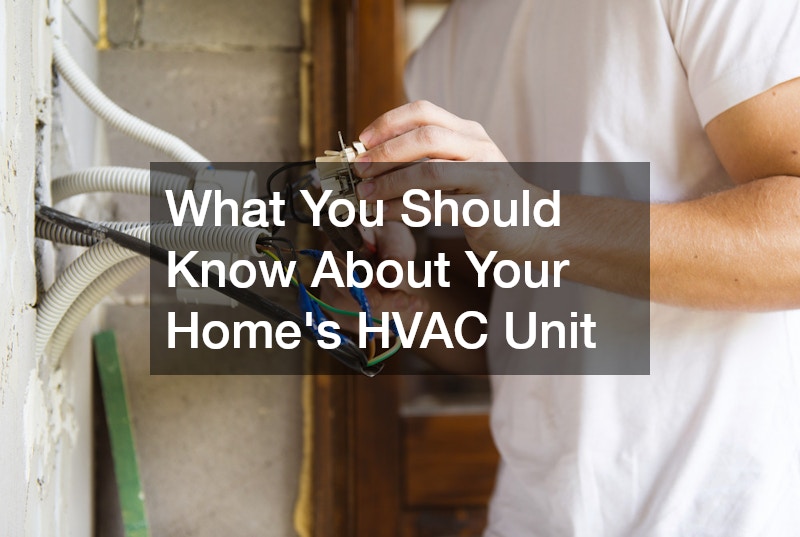
Your home’s HVAC (Heating, Ventilation, and Air Conditioning) system is the silent heart of your living space. For most homeowners, it is an out-of-sight, out-of-mind appliance until the day the house feels like an oven in July or an icebox in January. Understanding the mechanics, maintenance needs, and financial implications of your HVAC unit is not just about home ownership—it is about protecting one of your most significant investments. A well-functioning system provides more than just a comfortable temperature; it ensures indoor air quality, regulates humidity, and dictates a substantial portion of your monthly utility budget.
Understanding How Your HVAC System Regulates Indoor Comfort
At its core, an HVAC system is a complex network designed to move heat rather than just “create” cold or warmth. In the summer, your air conditioner pulls heat out of your home and releases it outside; in the winter, your furnace or heat pump generates or moves heat into your living spaces. This process relies on a delicate balance of electricity, refrigerant, and airflow. When this balance is disrupted, your comfort disappears almost instantly.
Because the technology behind these systems has become increasingly sophisticated, modern units require specialized knowledge to diagnose. Many homeowners find that the best way to keep their systems running at peak performance is to establish a relationship with reputable HVAC companies. These professionals understand the specific climate challenges of your region and can calibrate your system to handle local humidity and temperature swings. By understanding that your system is a holistic circuit—including the thermostat, ductwork, and the unit itself—you can better appreciate why a failure in one small component can lead to a total system shutdown.
Recognizing the Importance of Routine Maintenance
The most common cause of HVAC failure is neglect. Much like a vehicle, an HVAC unit has moving parts, filters, and fluid levels that require regular attention. Dust and debris are the natural enemies of efficiency; when coils become clogged or filters remain unchanged, the system must work twice as hard to achieve the same temperature, leading to premature wear and tear.
Investing in regular HVAC services is the single most effective way to extend the lifespan of your unit. A typical maintenance visit includes cleaning the condenser coils, checking refrigerant levels, inspecting electrical connections, and lubricating moving parts. Beyond preventing breakdowns, routine service ensures that the air circulating through your home is clean. Clogged systems can become breeding grounds for allergens and mold, which directly impacts the health of your family. By scheduling bi-annual tune-ups—once in the spring for cooling and once in the autumn for heating—you ensure that your system is never caught off guard by a sudden change in season.
Identifying Signs of Heating System Problems Early
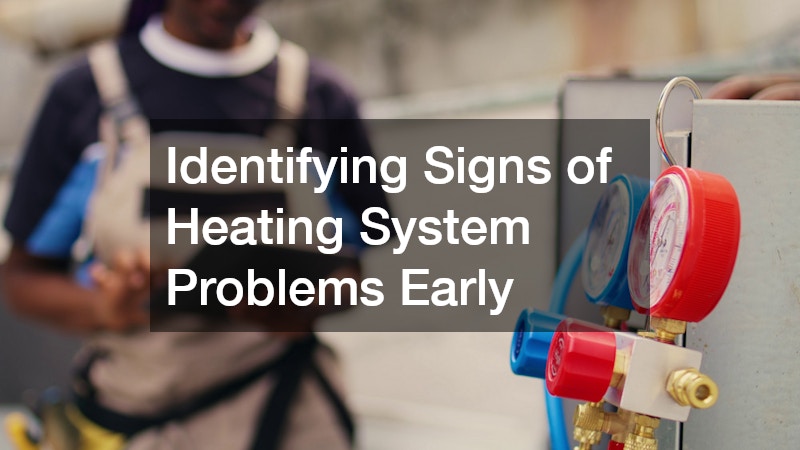
When the temperature drops, your heating system becomes your primary line of defense. However, furnaces and heat pumps rarely fail without warning. Most systems will exhibit subtle “symptoms” of distress long before they stop working entirely. Learning to recognize these signs can save you from an emergency situation in the middle of a winter storm.
Common warning signs include unusual noises—such as banging, whistling, or grinding—and “short-cycling,” where the unit turns on and off frequently without reaching the set temperature. If you notice a sudden increase in your gas or electric bill without a corresponding change in usage, your heater is likely struggling to remain efficient. In these instances, calling a professional heating contractor for a diagnostic check is essential. Early detection of a cracked heat exchanger or a failing blower motor can prevent carbon monoxide leaks and other dangerous conditions, ensuring your home remains a safe haven during the coldest months of the year.
Knowing When Repairs Should Not Be Delayed
It is human nature to procrastinate on home repairs, especially when they come with a price tag. However, with HVAC systems, a “minor” issue today almost always evolves into a “major” catastrophe tomorrow. A small refrigerant leak, for example, forces the compressor to work harder, eventually leading to a total compressor failure—a repair that can cost thousands of dollars.
Ignoring the need for HVAC repairs often leads to a domino effect within the system. High internal temperatures caused by a faulty fan can melt electrical wiring, while a clogged condensate line can lead to water damage in your ceilings or floors. If your thermostat is unresponsive, or if you feel lukewarm air coming from the vents when the system should be cooling, the time to act is immediate. Delaying these repairs not only increases the eventual bill but also leaves your home vulnerable to extreme temperatures that can cause secondary issues, such as frozen pipes or heat-related health risks for pets and the elderly.
Learning How Efficiency Impacts Energy Costs
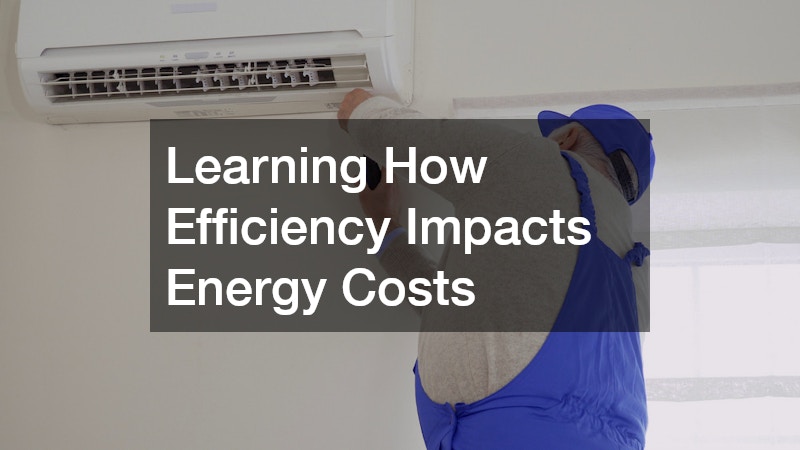
In the modern era of homeownership, efficiency is synonymous with economy. The efficiency of an HVAC unit is typically measured by ratings such as SEER2 (Seasonal Energy Efficiency Ratio) for cooling and AFUE (Annual Fuel Utilization Efficiency) for heating. A higher rating means the system converts a greater percentage of its energy source into actual comfort for your home.
Consulting with an hvac system expert can help you determine if your current unit is a “money pit.” Older systems, even when functioning “perfectly,” often operate at a fraction of the efficiency of modern units. By upgrading to a high-efficiency model, many homeowners see a reduction in their monthly energy bills by 20% to 40%. Additionally, many utility companies offer rebates for installing high-efficiency equipment, which helps offset the initial investment. Understanding these metrics allows you to make an informed decision about whether to keep patching up an old unit or to invest in a new, technologically advanced system that pays for itself over time through energy savings.
Choosing Qualified Professionals for System Upgrades
When the time finally comes to replace your unit, the quality of the installation is just as important as the quality of the brand you choose. An improperly sized or poorly installed unit will never reach its rated efficiency and will likely suffer from chronic mechanical issues throughout its shortened lifespan.
Choosing the right HVAC contractor is the most critical step in the upgrade process. A qualified professional will perform a “Manual J Load Calculation,” which takes into account your home’s square footage, insulation quality, window types, and local climate to determine exactly what size unit you need. Avoid “trunk-slammers” or uncertified laborers who offer suspiciously low prices; HVAC installation involves handling high-voltage electricity, pressurized refrigerants, and combustible gases. Ensuring your contractor is licensed, insured, and certified by organizations like NATE (North American Technician Excellence) guarantees that your new system is installed safely and according to manufacturer specifications.
Preparing for Cold Weather With Reliable Equipment
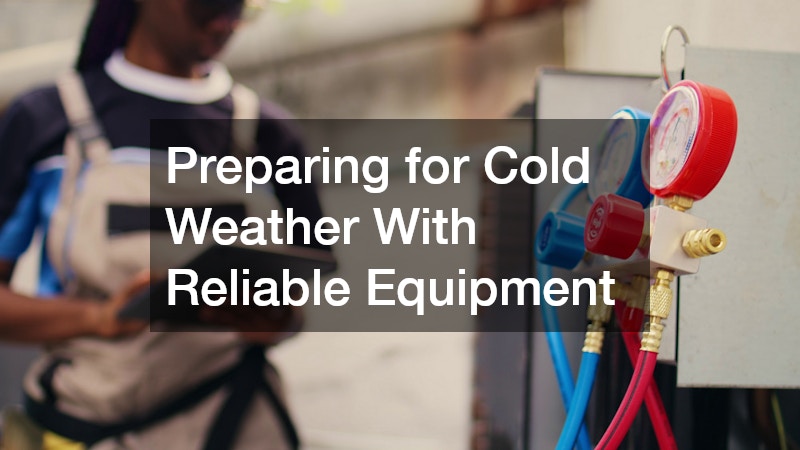
As autumn fades, the reliability of your furnace becomes a matter of safety. If your current heating system is over 15 years old or has required frequent repairs over the last two winters, it may be time to consider a proactive replacement. Modern furnaces offer features like variable-speed blowers and modulating gas valves, which provide more consistent heat and quieter operation than older, “all-or-nothing” models.
A professional furnace installation involves more than just swapping out a box in the basement. It requires a thorough inspection of your existing ductwork to ensure it can handle the airflow of a new unit, as well as an update to your venting system to meet modern safety codes. Taking care of this before the first frost ensures that you aren’t fighting for a spot on a contractor’s busy schedule during a record-breaking cold snap. A new, reliable furnace provides the peace of mind that your family will stay warm regardless of how low the mercury drops outside.
Maintaining Cooling Performance During Warmer Months
Summer puts a different kind of strain on your HVAC unit. High temperatures combined with high humidity force the air conditioner to run for extended cycles. If the system is not optimized, it will struggle to dehumidify the air, leaving your home feeling “clammy” even if the temperature is low.
To maintain peak performance, you should engage a local air conditioning service to perform a summer “ready-check.” This includes cleaning the outdoor condenser unit of grass clippings and “cottonwood” fuzz, which act as insulation and prevent the unit from releasing heat. They will also check the evaporator coil inside the house for dust buildup. Simple homeowner tasks, such as keeping the area around the outdoor unit clear of shrubs and changing the indoor air filter every 30 to 90 days, go a long way in supporting the work of the professionals. Proper cooling maintenance not only keeps you comfortable but also prevents the “icing up” of coils that can lead to a total system blackout during a heatwave.
Addressing Common Furnace Issues Before They Worsen
Many furnace problems start as small, annoying glitches that are easy to ignore. Perhaps the pilot light flickers, or there’s a slight delay before the heat kicks on. These are often indicators of dirty sensors or worn-out igniters. While they might not stop the heat today, they are the precursors to a total system failure.
Prompt furnace repair is vital for both performance and safety. For instance, a yellow or flickering burner flame instead of a steady blue one can indicate incomplete combustion, which produces dangerous carbon monoxide. Similarly, if you smell a “rotten egg” odor, you may have a gas leak, which requires immediate evacuation and professional intervention. By addressing these issues the moment they arise, you prevent the high costs of emergency after-hours calls and ensure that your heating system remains a reliable and safe component of your home’s infrastructure.
Comparing Service Options for Long-Term Reliability
Not all HVAC companies offer the same level of care or long-term support. When looking for a partner to maintain your home’s comfort, it is beneficial to look beyond a single service call. Many leading firms offer “Maintenance Agreements” or “Comfort Clubs,” which provide priority scheduling, discounted parts, and bi-annual inspections for a flat annual fee.
When you are interviewing various heating contractors, ask about their warranties on both parts and labor. A company that stands behind its work with a solid guarantee is more likely to perform the job correctly the first time. Check online reviews and ask for references to see how they handle complicated repairs or warranty claims. By comparing these service options, you can choose a partner who focuses on the long-term reliability of your system rather than just a quick fix. Establishing this relationship early means that when an inevitable problem does occur, you have a trusted expert who already knows your system’s history and is ready to get your home back to a comfortable temperature.
Maximizing System Longevity Through Proper Airflow Management
Even the most advanced unit will fail prematurely if it cannot “breathe” properly. Airflow is the lifeblood of your home’s climate control, and restricted movement of air is the leading cause of mechanical stress and uneven temperatures. When vents are blocked by furniture or dust accumulates in the ductwork, your hvac system expert will tell you that the internal pressure increases, forcing the blower motor to work at maximum capacity just to move a fraction of the necessary air. This not only spikes your energy consumption but also leads to “hot spots” in certain rooms, making your home feel inconsistent and uncomfortable.
To maintain the health of your system, you must be diligent about the environment surrounding your indoor and outdoor components. Ensure that all supply and return vents are open and unobstructed by curtains or rugs, and periodically vacuum the grates to prevent debris from entering the sensitive internal coils. If you have a larger home, you might want to consult with HVAC companies about a professional duct cleaning or an airflow balancing service. By ensuring that air can move freely and efficiently through every square inch of your home, you reduce the physical burden on your equipment, leading to a quieter, more effective system that stands the test of time.
Your HVAC system is a significant investment that dictates the quality of your daily life. From the complex mechanics that regulate indoor air to the efficiency ratings that impact your bank account, staying informed is your best defense against unexpected discomfort and high costs. By prioritizing routine maintenance, recognizing early warning signs, and partnering with qualified professionals for repairs and upgrades, you can ensure that your home remains a sanctuary of comfort in every season. Remember: the best time to care for your HVAC unit is while it is still working. A proactive approach today ensures a reliable, efficient, and safe system for years to come.
 Why Roof Repairs Matter After Severe Weather
  How to Choose Between Luxury Vinyl Flooring and Laminate for Your Home
  How to Know When You Should Replace Your Gutters
  Disaster-Proofing Your Investment A Comprehensive Guide to Modern Home Safety
  Why Homeowners Trust Local Pool Companies for Quality Work
  Your All-in-One Guide to Home Renovations, Roofing, HVAC Companies, and Water Damage Restoration
  Seasonal Home Checks That Catch Expensive Problems Early
  Important Upgrades for a Safer, More Comfortable Home