How to Prepare for Your Move to Your New House

The journey to a new home is one of life’s most significant milestones. Whether you are transitioning into a custom-built estate, a charming suburban fixer-upper, or a modern urban townhouse, relocation represents a fresh chapter filled with new opportunities. However, the physical process of moving an entire household is also notoriously complex. It is a logistical puzzle that demands careful scheduling, physical stamina, and a highly organized approach to packaging and transporting your life’s possessions.
Without a clear, proactive preparation strategy, the excitement of moving can easily be overshadowed by the stress of lost items, disorganized boxes, and unexpected transit delays. A successful relocation is built entirely on the concept of momentum. By breaking the monumental task down into manageable, chronological phases—spanning from early administrative coordination to room-by-room packing workflows—you can eliminate spatial friction and protect your personal belongings. This comprehensive guide serves as your ultimate preparation roadmap, ensuring you step across your new threshold with absolute confidence, clarity, and peace of mind.
Finalizing Your Home Before Moving Day Arrives

If your relocation involves moving into a brand-new construction or a heavily renovated property, your priority must center on the absolute completion of the physical structure before your household goods arrive. Attempting to coordinate a massive influx of furniture, electronics, and moving boxes while construction crews are still painting trim, hanging light fixtures, or running final utility checks creates chaotic logistical bottlenecks and invites accidental property damage.
Ensuring that your new environment is entirely move-in ready requires close, final communication with your home building service. Before your scheduled moving truck arrives on site, confirm that all municipal occupancy permits have been officially issued, the final mechanical inspections are signed off, and the interior spaces have received a deep, post-construction cleaning. Settling all pending punch-list items with your builder beforehand guarantees that your moving crew will have an unobstructed, clean environment to position your furniture, allowing you to focus completely on the organization of your new home.
Creating a Detailed Moving Timeline
The secret to a stress-free move lies in starting early and adhering to a strict, chronological checklist. Waiting until the week before your lease expires or your closing date arrives to start throwing items into boxes is a recipe for operational disaster. A chaotic, rushed pack results in fragile items breaking in transit, unlabeled boxes that turn unpacking into an agonizing guessing game, and increased stress for your entire household.
To maintain an effortless, organized momentum, you should establish a comprehensive, multi-week timeline at least two months prior to your target departure date. This master schedule should clearly map out milestones such as canceling regional utility accounts, transferring school records, updating your address with financial institutions, and sorting through your storage zones. During this planning phase, securing a dedicated mover early is paramount. High-quality moving professionals book their calendars months in advance, especially during the peak spring and summer seasons. Locking in your specific transit date early anchor your entire timeline, providing a definitive deadline that keeps your daily packing goals entirely on track.
Comparing Professional Assistance Options Early

Every household features a completely unique inventory of belongings, moving distances, and budget parameters. A college student moving across town faces vastly different logistical requirements than a family relocating a multi-generation, four-bedroom estate filled with delicate family heirlooms, heavy pianos, and valuable artwork. To ensure your assets are protected and your budget is optimized, you must avoid hiring the first transit name you stumble across online.
Dedicate time early in your timeline to thoroughly researching and vetting a curated shortlist of reputable local moving companies. Request comprehensive, in-home written estimates from multiple providers to ensure their pricing models are transparent and accurate. Look for companies that provide robust, fully licensed valuation coverage to protect your belongings against accidental damage or loss during transit. Comparing these options allows you to weigh the financial benefits of basic truck transport against full-service specialty options, ensuring you partner with a team that possesses the precise equipment and experienced crew required to execute your specific relocation safely.
Organizing and Packing Room by Room
The physical process of packing up a lifetime of belongings can quickly become mentally overwhelming if you view the entire house as a single, massive chore. The most efficient way to conquer this monumental task is to adopt a strict, localized approach: pack your home systematically, one complete room at a time, starting with the spaces and items you utilize least frequently in your daily routine.
When you initiate your room-by-room packing loop, establishing an organized color-coded or numbered labeling system is non-negotiable. For instance, color-code all boxes destined for the kitchen with red labels, and all master bedroom assets with blue labels. Utilizing a comprehensive, professional moving service during this phase can save you weeks of tedious labor. Professional packers utilize specialized packing materials—such as double-walled dish pack boxes, heavy-duty wardrobe boxes, and custom foam wrap—to shield your fragile glassware and high-value electronics from structural vibrations during transit. This systematic packing discipline guarantees that when the trucks are unloaded at the destination, every box can be routed directly to its correct room, saving you hours of frantic searching later.
Preparing Important Documents and Essentials
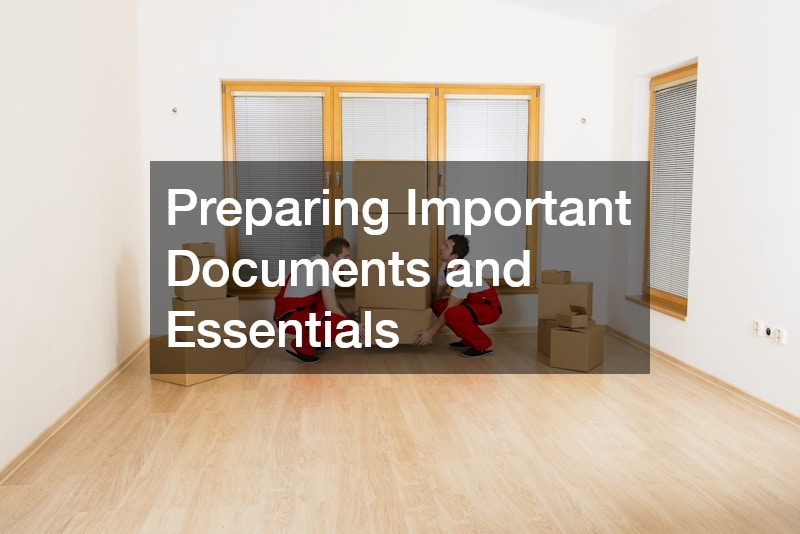
Among the hundreds of boxes loaded onto a heavy transport truck, there are certain vital personal items and high-value assets that should never leave your immediate personal possession. Relying on a commercial transport vehicle to carry your critical identification documents, daily medications, or expensive jewelry introduces unnecessary risks. If the moving truck encounters unexpected transit delays, you could find yourself separated from essential items required to finalize your home purchase or manage a medical emergency.
Before the packing crews arrive, assemble a dedicated, secure “Open First” essentials box and a secure binder for your family’s critical paperwork. This collection should explicitly contain your social security cards, birth certificates, closing documents, medical records, pet vaccination certificates, chargers for your primary devices, and enough clothing and toiletries to sustain your household for the first forty-eight hours in the new home. Entrusting these high-priority items to a premium moving companies framework involves clarifying exactly which assets stay with you in your personal vehicle. This strategic separation keeps your critical lifelines completely accessible throughout the chaotic transition.
Coordinating Transportation and Arrival Logistics
A successful relocation requires precise, synchronized timing between the departure crew at your old property and the arrival parameters at your new destination. If you are moving across state lines or navigating a complex long-distance transition, there are numerous external variables—such as highway traffic congestion, sudden summer storm systems, and strict municipal parking restrictions—that can disrupt your moving day schedule.
To mitigate these physical hurdles, maintain constant, direct communication with your chosen moving company dispatcher and driver throughout the transit loop. Verify that the truck operators possess the exact, correct address of your new home, clear cell phone contact information, and specific instructions regarding neighborhood access gates or overhead clearance limits. If your new neighborhood features restrictive parking policies or narrow residential streets, coordinate with local municipal authorities early to secure temporary parking permits for the large moving van. This careful coordination ensures that when the truck pulls up to the curb, the unloading process can begin immediately without legal friction or spatial blockages.
Conducting a Final Walk-Through of the Property

Before you hand over the keys to the new owners or your previous landlord, and right before you officially close the door on your old life, you must perform a meticulous, comprehensive structural sweep of the property. In the frantic rush of moving day, it is incredibly easy for small, tucked-away items to be left behind in deep closets, dark attic corners, high kitchen cabinets, or backyard storage sheds.
For those moving into a newly constructed property, this final sweep concept applies equally to your destination layout. Walking through your new home alongside your custom home builders allows you to conduct a detailed final inspection before your furniture blocks the walls and floors. Examine the interior walls for any minor drywall scuffs, test the electrical outlets, verify that the plumbing fixtures operate with proper water pressure, and ensure the HVAC systems cycle correctly. Documenting any final aesthetic anomalies at this exact moment ensures that the builder can rapidly schedule final touch-ups, preserving the pristine, luxury condition of your new interior from day one.
Deciding What to Store Before the Move
A relocation provides the ultimate opportunity to take an honest, critical inventory of your material possessions. Over years of living in one place, households naturally accumulate bulk holiday decorations, seasonal sporting gear, duplicate furniture sets, and historical files that are rarely utilized on a weekly basis. Moving these low-frequency items directly into your new main living spaces can immediately clutter your clean floor plans and slow down your primary unpacking momentum.
To maintain a crisp, minimalist environment in your new home, consider segregating these non-essential items before moving day arrives. Utilizing secure local storage facilities allows you to safely house your seasonal and bulk belongings during the transitional phase. Opting for climate-controlled storage units protects your delicate wooden furniture, vintage clothing, and sensitive paperwork from extreme temperature shifts and humidity damage. By keeping these non-essential items tucked away securely off-site, you grant your family the valuable physical space and time required to meticulously arrange your primary rooms without feeling suffocated by boxes.
Preparing Outdoor Areas for a Smooth Transition
When preparing for moving day, it is easy to focus all your organizational energy on the interior rooms while completely ignoring the physical realities of your outdoor property areas. On moving day, heavy trucks, bulky furniture dollies, and crews carrying massive appliances will require clear, unobstructed, and stable access pathways between the home’s entry doors and the street curb.
If your new property features overgrown vegetation, low-hanging tree branches across the driveway, or loose, unrefined terrain, it can introduce severe safety hazards and slow down your crew dramatically. Taking care of necessary land clearing tasks around your driveways and primary walkways before moving day ensures that the heavy moving van can maneuver safely without scratching its exterior panels or damaging your landscape beds. Clearing away loose debris, leveling uneven gravel pathways, and trimming back thorny bushes creates a fast, highly efficient loading zone that minimizes the risk of slips, trips, and dropped items during the heavy lifting phase.
Settling Into Your New Home Efficiently
When the moving trucks finally depart and you are left standing in a sea of boxes, the final phase of your relocation journey begins: turning this fresh architectural space into a functional, welcoming home. The key to settling in efficiently without experiencing post-move exhaustion is to prioritize your unpacking process systematically, focusing entirely on setting up your primary survival zones first.
Instead of tearing open random boxes across the entire floor plan, focus your immediate energy on fully assembling the beds, unpacking the master bathroom essentials, and setting up the core elements of the kitchen. Utilizing high-end local moving services for partial or full unpacking assistance can dramatically accelerate this final transition. Professional crews can rapidly unbox your heavy kitchenware, reassemble complex bed frames, and haul away the massive mountain of empty cardboard boxes and packing paper, leaving your property clean and organized. By tackling the organization methodically, you quickly establish a comfortable, fully functional sanctuary, allowing your family to relax and celebrate your successful transition with absolute peace of mind.
Preparing for a move to a new home is a multi-layered logistical operation that requires a deliberate blend of early strategic planning, physical discipline, and professional collaboration. A relocation is far more than a simple transportation chore; it is a profound transition that marks the beginning of a fresh lifestyle narrative. By taking a proactive approach and methodically checking off every critical preparation phase—from finalizing structural details with your home building service and custom builders to executing localized, room-by-room packing systems—you insulate your household from severe stress and protect your valuable personal assets.
Balancing your internal packing timelines with early coordination of trusted local moving companies, storage facilities, and site preparation ensures that moving day unfolds with predictable, surgical efficiency. When you invest the time and capital to map out your transit logistics, clear your path through land clearing, and establish a clear unpacking strategy, you remove the chaotic friction of relocation. Ultimately, a well-orchestrated preparation roadmap allows you to confidently step past your new threshold, turning the potentially overwhelming process of moving into an incredibly rewarding, memorable milestone for your entire family.
 Seasonal Home Checks That Catch Expensive Problems Early
  Why Roof Repairs Matter After Severe Weather
  How to Choose Between Luxury Vinyl Flooring and Laminate for Your Home
  Important Upgrades for a Safer, More Comfortable Home