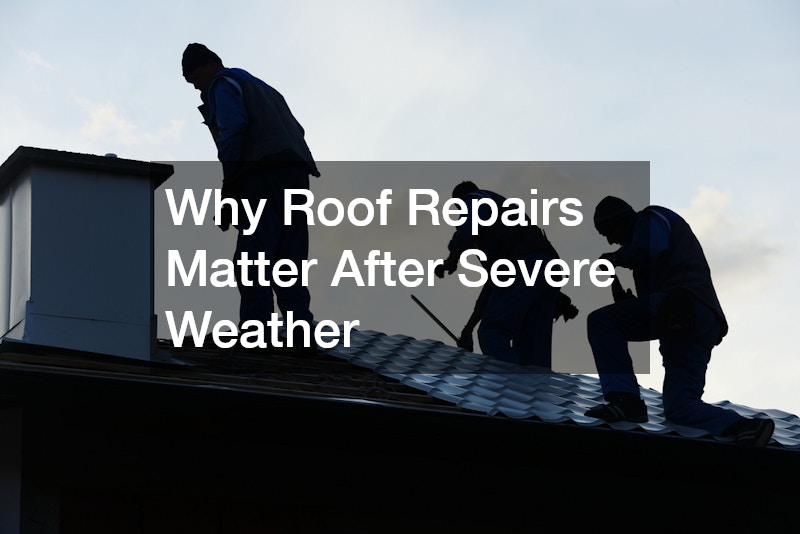
Why Roof Repairs Matter After Severe Weather
Highlights
-
Severe weather can loosen shingles, damage flashing, and create openings for water.
-
Prompt roof repairs can limit secondary damage to insulation, ceilings, walls, and interior materials.
-
Wind, hail, debris, and heavy rain can affect roofing materials.
-
Professional inspections can reveal storm damage that is difficult to identify from the ground.
-
Clear documentation can help homeowners organize repair needs and insurance information.
-
Well-planned repairs can restore roof performance and address vulnerabilities before future storms.
Why Should Storm Damage Be Addressed Quickly?
Storm-related roof damage should be addressed quickly because even a small opening can allow water into areas that were never meant to get wet. Missing shingles, lifted flashing, cracked tiles, punctures, or damaged roof edges may not cause an obvious leak immediately, but another round of rain can turn a limited problem into a larger one.
The National Hurricane Center explains that even Category 1 hurricane winds can damage roofs, shingles, siding, and gutters on well-constructed frame homes. After severe weather, roof repairs can help restore the protective barrier before moisture reaches insulation, drywall, framing, or electrical components. Acting early also allows homeowners to document damage, understand what requires attention, and make repair decisions before additional weather changes the roof’s condition.
What Types of Severe Weather Can Damage a Roof?
-
Severe weather can damage a roof in several ways, so homeowners should consider the entire storm.
-
High winds can lift or remove shingles, loosen flashing, damage edges, and expose underlayment or decking.
-
Hail can bruise, crack, dent, or puncture roofing products depending on material, size, and impact force.
-
Falling branches and wind-driven debris can break tiles, puncture membranes, damage vents, and create impact points.
-
Heavy rain can enter openings created by wind or impact damage and travel beyond the original area.
-
The Insurance Institute for Business & Home Safety notes that hail can dent, breach, or displace granules on asphalt shingles, while severe damage can create the potential for water entry.
-
Repeated storms can worsen weakened seals, fasteners, shingles, and flashing that were already aging.
Why Can Small Roof Problems Become Expensive?
Small roof problems can become expensive because water does not always stay directly beneath the damaged spot. Moisture may follow roof decking, rafters, pipes, or other components before appearing as a ceiling stain or damp wall. By the time interior symptoms become obvious, the affected area may be larger than the original storm damage. Wet insulation can lose effectiveness, wood can remain damp, and interior finishes may require replacement. This is why roof repairs should focus on stopping the source of water intrusion rather than simply covering visible interior damage. Homeowners should also remember that minor defects can combine during the next storm. A lifted shingle, loose flashing, and clogged drainage path may seem unrelated, but together they can make it easier for wind-driven rain to enter the home.
What Should Homeowners Look for After Severe Weather?
-
Homeowners should look for changes after a storm, but they should avoid climbing onto a wet, steep, or damaged roof.
-
Check the yard and gutters for shingles, roofing granules, metal pieces, broken tiles, or flashing fragments.
-
Look for missing, curled, lifted, or uneven roofing materials that differ from nearby sections.
-
Inspect ceilings and attic areas, when safely accessible, for dampness, stains, drips, or musty odors.
-
Check gutters and downspouts for separation, dents, blockages, or sections pulled from the roof edge.
-
Photograph visible exterior and interior damage before temporary work changes the appearance of affected areas.
-
Note when the storm occurred, what weather passed through, and when any leak or stain appeared.
-
These observations can help a roofing professional focus the inspection and give homeowners a clearer record of storm-related changes.
Why Should a Professional Inspection Come Before Major Repairs?
A professional inspection should come before major repairs because storm damage can extend beyond the obvious missing shingle or visible leak. Roofing professionals can evaluate roof coverings, flashing, penetrations, edges, drainage components, and areas affected by wind or impact. FEMA states that roof failures are a common cause of major building and contents damage during high-wind events, which is one reason a complete evaluation matters after severe storms. An inspection can also help distinguish isolated damage from broader deterioration, allowing the repair plan to match the roof’s condition. Homeowners can then prioritize urgent work, ask informed questions about materials and methods, and determine whether temporary protection is needed before permanent repairs. This approach can prevent a surface-level fix from leaving an underlying vulnerability unresolved.
How Can Roof Repairs Improve Future Weather Resilience?
Roof repairs can do more than correct existing damage when the work also addresses the weak point that allowed the failure. Replacing missing shingles may be necessary, but repairs can also reveal loose flashing, deteriorated sealant, exposed fasteners, weak edge details, or drainage problems. Correcting those conditions can better prepare the area for future wind and rain. FEMA recommends measures such as properly securing roof sheathing, installing shingles correctly, and reinforcing vulnerable roof components when repairing or rebuilding after tornado damage. Homeowners can also ask whether replacement materials should meet wind or impact requirements and whether underlayment, flashing, or fastening details need improvement. The goal is not to promise a storm-proof roof. It is to restore performance and, where practical, reduce avoidable vulnerabilities before severe weather returns.
Why Is Prompt Action the Best Way to Protect the Home?
Prompt action is one of the best ways to protect a home after severe weather because roof damage rarely improves on its own. The sooner a damaged area is inspected, documented, and stabilized, the sooner homeowners can reduce the chance that rain, wind, or debris will create additional problems. Timely roof repairs can also make recovery easier by separating urgent needs from cosmetic concerns and long-term upgrades. Homeowners should prioritize safety, avoid walking on unstable roofing, and use qualified professionals for inspection and permanent work. Severe weather can affect roofs in obvious, subtle, or hidden ways, so waiting for a major leak can become costly. A careful response helps preserve the roof’s protective function, supports informed repair decisions, and gives the home a stronger starting point before the next storm.

 How to Choose Between Luxury Vinyl Flooring and Laminate for Your Home
  How to Know When You Should Replace Your Gutters
  What You Should Know About Your Home’s HVAC Unit
  Disaster-Proofing Your Investment A Comprehensive Guide to Modern Home Safety
  Why Homeowners Trust Local Pool Companies for Quality Work
  Your All-in-One Guide to Home Renovations, Roofing, HVAC Companies, and Water Damage Restoration
  Mapping Out Which Home Systems to Tackle First and Why
  Seasonal Home Checks That Catch Expensive Problems Early
  Why Roof Repairs Matter After Severe Weather