Mapping Out Which Home Systems to Tackle First and Why

When your home has more than one aging system demanding attention, it is easy to freeze up or simply fix whatever broke most recently. But tackling home repairs in the right order can save you thousands of dollars and prevent small issues from becoming emergencies. The key is understanding which systems protect the structure itself, which affect daily safety and comfort, and which can reasonably wait a season or two.
This guide walks through how to prioritize so your time, money, and energy go toward what matters most first.
Start With the Structure Holding Everything Up
Before you spend money on cosmetic upgrades or new appliances, make sure the bones of your house are sound. A home with a shifting or cracked foundation will undermine any other investment you make, since doors, windows, and flooring all depend on a level, stable base. Pouring money into a kitchen remodel or fresh paint job means little if the structure beneath it is still moving. Foundation repair should be the very first item on your list if you notice diagonal cracks over doorways, sticking doors or windows, sloping floors, or gaps forming between walls and ceilings. These are classic warning signs of settlement or soil movement, and they rarely resolve on their own.
In many cases, a structural engineer can assess the severity for a few hundred dollars, which is a worthwhile investment before committing to costlier repairs. The price of waiting adds up quickly. A minor crack that could be sealed for a few hundred dollars today can turn into a problem requiring piering or underpinning that costs tens of thousands of dollars if left untreated for years. Beyond the financial risk, a compromised foundation can affect plumbing lines, electrical conduits, and HVAC ductwork that run through or near it, compounding repair costs across multiple systems. Addressing the foundation first protects every renovation dollar you spend afterward.
Before you spend a dollar on finishes or upgrades, bring in a structural engineer or qualified home inspector to evaluate the foundation, load-bearing walls, floor joists, and roofline. A typical foundation inspection runs $300 to $700, but it can save you from costly surprises like discovering a cracked footing after you’ve already installed new hardwood floors above it. Look for warning signs yourself too: sticking doors and windows, visible cracks wider than a quarter-inch, sloping floors, or gaps where walls meet ceilings. Getting a professional assessment early also gives you leverage for planning every other project on your list.
Once you know the structure is stable, you can confidently invest in systems that depend on it, like plumbing, electrical, and roofing, without wondering if you will need to tear things out later. If the inspection does turn up issues, addressing them first, even if it means delaying a kitchen remodel or bathroom upgrade, prevents you from building new work on top of an unstable base.
Budgeting matters here as well. Structural repairs can range from a few thousand dollars for minor foundation sealing to tens of thousands for major beam replacement or foundation underpinning. Setting aside 10 to 15 percent of your total renovation budget as a contingency for structural surprises is a reasonable rule of thumb, especially in older homes. Think of this step as the foundation of your entire home improvement roadmap, both literally and figuratively.
Evaluate the Roof Before It Fails Completely
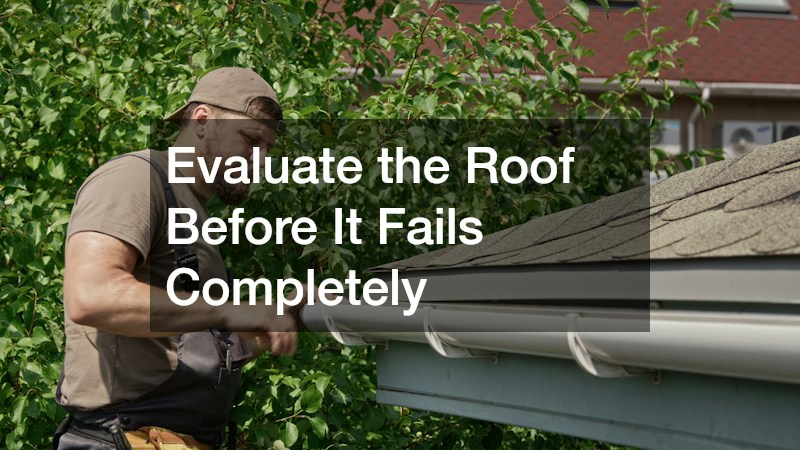
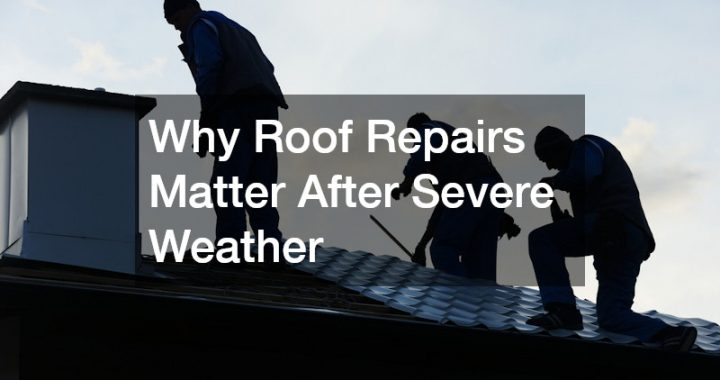
Your roof is your home’s first line of defense against weather, and waiting until it leaks is the most expensive way to handle an aging roof. Granule loss, curling shingles, and water stains on ceilings are all signs that it is time to get quotes rather than wait for a full collapse or interior damage. Comparing a few roofing companies early gives you a realistic timeline and budget, rather than scrambling during a storm emergency when contractors are booked solid and prices spike.
Roof age matters just as much as visible damage. Most asphalt shingle roofs last between 20 and 25 years, and insurance companies increasingly deny claims or raise premiums on roofs nearing the end of that lifespan. Getting ahead of a roof replacement protects everything underneath it, from your attic insulation to your electrical wiring.
Check Your Water Heater and Plumbing Lifespan
Few things disrupt daily life like a sudden lack of hot water, and most water heaters give subtle warning signs before they fail outright. Rust-colored water, strange popping noises from the tank, or water pooling around the base are all signals that a water heater replacement should move up your priority list. Most tank units last 8 to 12 years, so if yours is approaching that age, it is smarter to replace it on your schedule rather than during a midnight emergency.
- Rumbling or popping sounds from sediment buildup
- Lukewarm water even with the thermostat turned up
- Visible rust or corrosion on the tank or fittings
- Water pooling beneath the unit
- Unit age of 10 years or more
Assess Heating and Cooling Equipment Age
HVAC systems tend to fail at the worst possible times, usually during the first heat wave or cold snap of the season. If your air conditioner is more than 12 to 15 years old, struggles to keep up with the thermostat setting, or has needed multiple repairs in the last two years, it is worth scheduling AC installation before peak summer demand hits. Waiting until the system dies completely often means longer wait times for contractors and higher emergency service fees.
Energy efficiency is another reason to prioritize this system sooner rather than later. Older units can be 30 to 50 percent less efficient than current models, and that difference shows up directly on monthly utility bills. Replacing an aging system proactively often pays for itself over time through lower energy costs and fewer emergency repair calls.
Inspect Windows for Drafts and Energy Loss
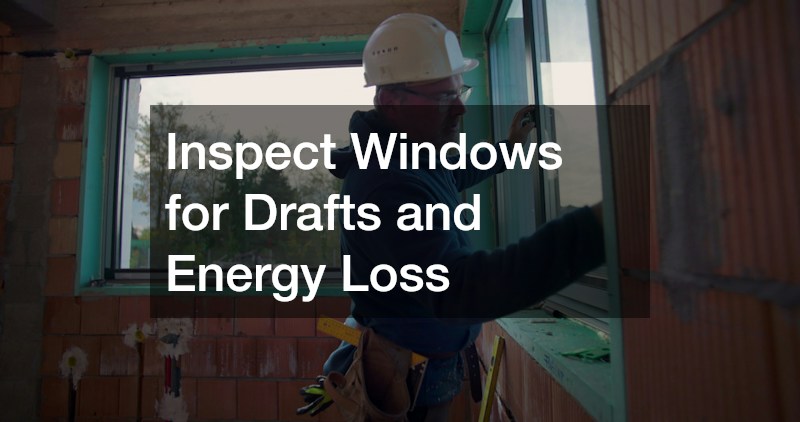
Windows affect comfort, energy bills, and even curb appeal, making them an important mid-tier priority once structural and mechanical systems are addressed. Drafts, condensation between panes, and difficulty opening or closing are all signs that window replacement could meaningfully improve your home’s efficiency. Older single-pane windows in particular can account for a significant percentage of heat loss during winter months, with estimates suggesting they contribute to 25-30% of a home’s total heating and cooling energy use.
To check for drafts, run your hand along the window frame and sash on a windy day, or hold a lit candle near the edges and watch for flickering. A simple dollar-bill test also works: close the window on a bill and see if it slides out easily, which signals a weak seal. Foggy or cloudy patches between double-pane glass indicate a failed seal that’s allowing moisture in, a sign that insulation value has dropped even if the window still looks intact.
Not every drafty window needs full replacement right away. Weatherstripping, caulking, and storm windows can buy time and reduce energy loss for a fraction of the cost. But if frames are warped, wood is rotting, or multiple windows throughout the house show the same issues, it’s usually more cost-effective in the long run to prioritize full window replacement rather than repeatedly patching symptoms of a bigger problem.
Before you assume your windows need full replacement, do a simple draft check. On a breezy day, hold a lit candle or a damp hand near the window frame and sash; flickering flames or cold spots signal air leaks that may only need re-caulking or weatherstripping rather than new units. Also check for fogging between double-pane glass, which indicates a failed seal and a genuine case for replacement.
Timing window upgrades alongside other exterior work can also save money. If you are already having roofing or siding work done, bundling window replacement into the same project often reduces labor costs and minimizes disruption to your landscaping and daily routine. Contractors frequently share scaffolding, permits, and cleanup crews across these projects, which can shave 10-15% off combined labor pricing. It is worth asking any contractor on-site whether they offer package pricing for multiple exterior upgrades. While you have that conversation, ask about energy-efficient options like low-E glass coatings or gas-filled panes, since these upgrades often qualify for utility rebates or tax credits that offset the added upfront cost.
Review Your Septic or Sewer System Health
Homes on septic systems often overlook this component until there is a backup or foul odor in the yard, but septic problems rarely start suddenly. Slow drains throughout the house, soggy patches in the yard, or sewage smells near the tank area are early indicators that something needs attention. Getting septic estimates on a regular basis, even when things seem fine, helps you catch small issues like a cracked pipe or a tank nearing capacity before they turn into a full system failure.
- Gurgling sounds in drains or toilets
- Standing water or unusually green grass over the drain field
- Sewage odor near the tank or yard
- Multiple slow drains at once
- Tank not pumped in the last 3 to 5 years
Fix Entryways That No Longer Open Safely
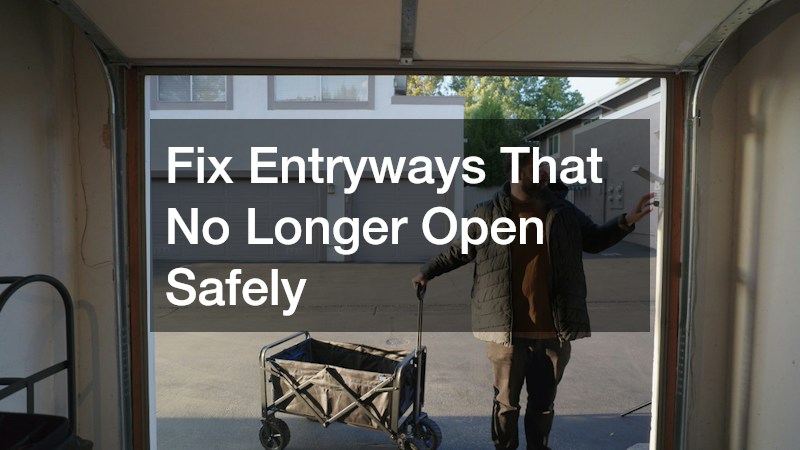
Garage doors are one of the most frequently used moving parts of a home, and they take a surprising amount of wear and tear over the years. A door that reverses unexpectedly, makes grinding noises, or has a damaged spring poses a real safety risk, especially in homes with children or pets nearby. Upgrading garage doors is also one of the better returns on investment among exterior projects, often recouping a large portion of its cost at resale.
Beyond safety, an inefficient garage door can let conditioned air escape if the garage is attached to living space. Newer insulated models help regulate temperature in adjacent rooms and reduce strain on your HVAC system. If your current door is more than 15 years old or shows visible warping, it is a reasonably affordable fix to schedule alongside other exterior improvements.
Clear the Site Before Any Major Renovation
If your home improvement plans include an addition, a full kitchen overhaul, or removing a structure like an old shed or deck, demolition needs to happen before anything else can begin. Hiring demolition contractors rather than attempting a DIY teardown protects you from hidden hazards like asbestos, old electrical wiring, or unstable framing that is not obvious from the outside. Professional demolition also ensures debris is removed and disposed of properly, which matters for both safety and local code compliance.
Sequencing matters here too. Demolition should always happen after permits are secured but before foundation, framing, or utility work begins, so double-check your project timeline avoids costly overlap. Skipping this step or rushing it is one of the most common reasons renovation projects fall behind schedule.
Bring In Professionals for Additions or Major Rebuilds

If your home needs more than repairs, such as an entirely new wing, a second story, or a ground-up rebuild after significant damage, this is the point where working with experienced home builders becomes essential. They can help you sequence every other project on this list correctly, since an addition will affect your roofline, foundation footprint, and existing plumbing and electrical systems. Getting this planning right from the start avoids expensive rework later.
A good builder will also help you prioritize which systems need upgrading in tandem with new construction. For example, adding square footage might require upsizing your existing HVAC capacity or water heater, so it makes sense to handle those replacements as part of the same project rather than two separate ones. This coordinated approach tends to save both money and time compared to addressing each system separately.
Conclusion
Prioritizing home repairs does not have to feel overwhelming once you understand which systems protect the structure, which affect daily safety, and which are simply comfort upgrades. Start with the foundation and roof, move through major mechanical systems, and save cosmetic or lower-urgency projects for when your budget allows. Mapping out this order now will save you from costly surprises later and help you approach your home’s upkeep with a clear, confident plan.
 Important Upgrades for a Safer, More Comfortable Home
 The Ultimate Guide to Home Renovation Planning
 Sequencing Major Upgrades Across Your Property’s Infrastructure
 The Whole Home Longevity Audit
 Mapping Out Which Home Systems to Tackle First and Why
 Seasonal Home Checks That Catch Expensive Problems Early
 Why Roof Repairs Matter After Severe Weather
 How to Choose Between Luxury Vinyl Flooring and Laminate for Your Home