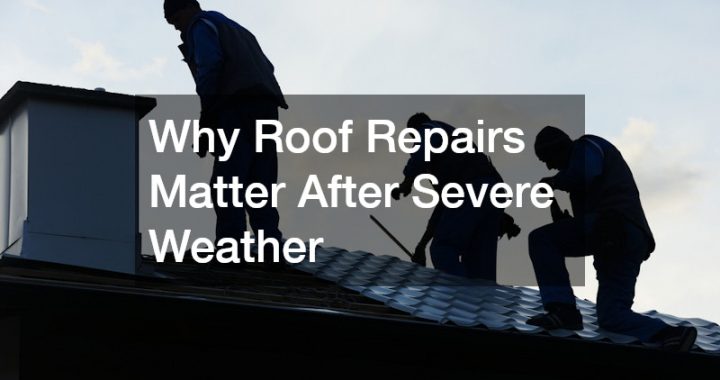
Electrical repair is an essential aspect of home maintenance, ensuring that your electrical systems run smoothly and safely. Whether you’re dealing with a flickering light, a malfunctioning outlet, or planning to upgrade your home’s wiring, understanding the basics of electrical repair can save you time and money. Electrical issues, if left unchecked, can lead to serious safety hazards such as electrical fires, shocks, or even damage to your home’s appliances and infrastructure. This guide will provide you with valuable information to help you navigate the complexities of electrical repair.
It will cover common problems, recommended tools, and important safety tips. Whether you’re a novice or have some experience under your belt, this article aims to equip you with essential knowledge to handle electrical issues effectively and safely. With a better understanding of how your electrical system functions, you can make more informed decisions about when to tackle a repair yourself and when to call in a licensed professional.
Understanding the Basics of Electrical Systems
Before diving into repairs, it’s crucial to familiarize yourself with the basics of electrical systems. Electrical systems in a house are composed of circuits that deliver power to various fixtures and outlets. Each circuit is protected by a circuit breaker designed to prevent excess current from damaging wiring. These breakers are housed in the main electrical panel, which serves as the control center for distributing electricity throughout your home. Understanding this system allows you to identify where potential problems might lie. For example, if an appliance isn’t working, the issue could be as simple as a tripped breaker, which can be reset with a quick switch. However, if the breaker continues to trip repeatedly, it could indicate a more serious underlying issue, such as an overloaded circuit or a short. Familiarizing yourself with the layout of your electrical panel, labeling each breaker, and learning how to safely operate it are fundamental steps. This knowledge can not only help you troubleshoot problems more efficiently but also improve your overall safety when performing minor electrical repairs.
The Importance of Safety Precautions
Safety should always be your top priority when dealing with electrical repairs. It’s essential to turn off power at the circuit breaker before attempting any repair work, and to double-check that the power is indeed off using a voltage tester. Electrical work, if not done correctly, can lead to severe injuries or even fatalities, so extra caution and preparation are necessary. Avoid working in wet or damp conditions, as moisture greatly increases the risk of electrical shock. Furthermore, using insulated tools and wearing appropriate protective gear, such as gloves and goggles, can add an additional layer of safety. Keep your workspace clean and well-lit to prevent accidents and ensure you can see what you’re doing. It’s also a good idea to have a first aid kit nearby in case of emergencies. Make sure you fully understand the task at hand before beginning, and never rush the process. Remember, when in doubt, it’s always safer to call a professional who has the training and expertise to handle electrical work properly and efficiently.
Essential Tools Needed for Electrical Repair
Having the right tools is crucial for electrical repair tasks. Some of the must-have tools include a voltage tester, wire strippers, pliers, and screwdrivers. A multimeter can also be incredibly useful for diagnosing electrical problems, allowing you to measure voltage, current, and resistance. By equipping yourself with these tools, you can handle a variety of electrical fixes safely and efficiently. Investing in quality tools will not only make the job easier but also contribute to more professional results.
When to Call a Professional Electrician
While many electrical repairs can be handled by a knowledgeable homeowner, certain projects require the expertise of a professional electrician. Complex issues like wiring updates, major appliance installations, and service panel upgrades should be left to certified electricians. Attempting to tackle these without proper knowledge and experience can lead to disastrous results, including electrical fires or severe injury. Knowing when to call in a professional is paramount to maintaining your home’s safety and electrical integrity.
Common Electrical Repair Issues and Solutions
Some common electrical repair issues include flickering lights, dead outlets, and tripped breakers. Flickering lights often indicate a loose bulb or faulty wiring, and tightening the bulb or checking the wiring can solve the issue. A dead outlet can be due to a tripped outlet or faulty wiring; resetting the outlet or contacting an electrician might be necessary. Tripped breakers usually happen when a circuit is overloaded—redistributing appliances to different circuits can resolve this. It’s important to regularly assess your electrical systems to catch and fix these common issues early on.
Electrical repair is a critical component of home maintenance that helps ensure the safety and functionality of your home’s electrical systems. By understanding the basics, taking necessary safety precautions, having the right tools, and knowing when to call a professional, you can effectively manage many common electrical issues. While it’s empowering to handle minor repairs on your own, never hesitate to reach out to professionals for complex electrical work. With these essential tips in mind, you’ll be better prepared to tackle electrical repairs and maintain a safe and efficient home.
As homeowners become more conscious of their environmental footprint and energy bills, the demand for energy-efficient solutions continues to rise. Making your home more efficient isn’t just about saving money — it’s about creating a more comfortable, sustainable living environment. As the need for greener living spaces grows, new technologies and materials are constantly being developed to improve energy efficiency. Fortunately, there are plenty of new upgrades available that can dramatically enhance your home’s performance. Whether you’re tackling a major renovation or making small improvements over time, these choices can make a meaningful difference. In this guide, we’ll explore some of the most effective new upgrades that will not only modernize your home but also boost its energy efficiency for years to come. Embracing these innovations now can prepare your home for a more sustainable future while offering immediate savings on your utility bills.
Consider a Durable, Reflective Roof
One of the smartest new upgrades you can invest in is a roofing system designed to reduce heat absorption. Traditional asphalt shingles tend to trap heat, causing your air conditioner to work harder in the summer. However, metal roofing offers a better solution. Its reflective properties bounce the sun’s rays away, keeping your attic and home cooler. This not only reduces the load on your cooling system but also helps maintain a more consistent temperature throughout the house. Additionally, metal roofs are incredibly durable, meaning you’ll enjoy lower maintenance costs and fewer replacements over the years. The long lifespan of metal roofing also ensures that your home remains protected from the elements, adding value and peace of mind.
Besides energy efficiency, metal roofing offers aesthetic appeal and fire resistance, making it a comprehensive improvement for any home. The sleek, modern look of metal roofing can enhance your home’s curb appeal, adding value in the process. Many homeowners report substantial savings on cooling bills after installation, especially in regions with hot, sunny climates. Metal roofs also stand up well to severe weather conditions, including high winds and heavy rain, further boosting their longevity. By choosing new upgrades like a reflective roof, you’re not just cutting costs — you’re extending the life of your home’s infrastructure.
Harness the Sun’s Power
If you want to take your home’s energy efficiency to the next level, consider one of the most innovative new upgrades on the market: solar technology. While traditional solar panels are effective, many homeowners are now turning to solar shingles for a sleeker, more integrated solution. These shingles blend seamlessly with your existing roof while generating clean, renewable energy for your household. Unlike bulky panels, solar shingles maintain the aesthetic integrity of your home, offering a modern, low-profile alternative. They are also durable and designed to withstand harsh weather conditions, ensuring long-term reliability. With the ability to generate significant power, solar shingles not only reduce energy costs but can also increase the overall value of your home, making them a smart investment for the future.
Installing solar shingles can dramatically lower your electricity bills, and some homeowners even produce enough energy to sell excess power back to the grid. This makes it possible to offset installation costs over time and potentially earn a return on your investment. Plus, many states offer tax incentives or rebates for solar installations, making this investment even more attractive. With advancements in solar technology, the initial expense has become more manageable for homeowners looking to go green. Thanks to new upgrades like solar shingles, energy independence is more accessible than ever before.
Improve Indoor Comfort
Windows are often a major source of heat loss in winter and unwanted heat gain in summer. Fortunately, new upgrades in window technology are helping homeowners address this problem. Advanced window treatments, such as thermal curtains, motorized shades, and insulated blinds, can play a crucial role in regulating indoor temperatures without taxing your HVAC system. These treatments help keep your home comfortable year-round by reducing the need for constant heating or cooling. Moreover, some options are designed to block harmful UV rays, further protecting your furniture and flooring from sun damage. The added insulation also enhances your home’s energy efficiency, contributing to lower utility bills and a more sustainable living environment.
Not only do window treatments improve energy efficiency, but they also enhance privacy and home decor. Smart treatments can even adjust automatically based on the time of day or indoor temperature, offering effortless savings. Additionally, many of these treatments are available in a range of styles and materials, allowing homeowners to customize their appearance to match their interior design. When combined with energy-efficient windows, these new upgrades can make a noticeable difference in your comfort and utility costs year-round. They also reduce the strain on HVAC systems, prolonging their lifespan and decreasing overall maintenance costs.
Upgrade to Smarter Water Heating Systems
Your home’s water heating system is another area where significant energy loss can occur. Traditional storage tanks constantly heat water, even when it’s not needed, leading to unnecessary energy consumption. One of the most impactful new upgrades you can make is investing in high-efficiency water heaters, like tankless models that heat water only on demand. These units only operate when hot water is required, eliminating standby heat loss associated with traditional systems. As a result, you can expect lower utility bills and a more efficient use of energy in your home. Additionally, tankless water heaters have a longer lifespan compared to conventional units, offering better long-term value and performance.
Tankless water heaters not only use less energy, but they also offer unlimited hot water, which is a major convenience for large households. Unlike storage tanks, which run out of hot water during peak usage times, tankless models provide an endless supply of heated water. In addition, they tend to last longer than traditional models, offering better value over time. Many tankless water heaters also require less maintenance, adding further convenience for homeowners. By focusing on new upgrades like energy-smart water heating systems, you can reduce your energy footprint and enjoy more consistent performance.
Create a Tighter Building Envelope
Poor insulation is one of the biggest contributors to high energy bills. Drafty walls, attics, and crawl spaces force heating and cooling systems to work overtime. That’s why new upgrades in insulation technology are critical. Among the best choices available today is spray foam insulation, which expands to fill every nook and cranny, creating an airtight seal. This tight barrier helps regulate temperature more effectively, reducing the workload on HVAC systems and lowering energy costs. Furthermore, spray foam doesn’t sag or settle over time like traditional insulation materials. Its ability to resist moisture and mold growth also contributes to a healthier indoor environment, making it a long-lasting and effective solution for energy efficiency.
Unlike fiberglass batts, spray foam insulation provides superior resistance to heat flow and also acts as a barrier to moisture and allergens. Sealing cracks and gaps prevents drafts that lead to inconsistent temperatures in your home. This investment not only leads to lower energy bills but also creates a healthier indoor environment. Spray foam also helps reduce outside noise, adding a layer of comfort in both summer and winter. When considering new upgrades for maximum impact, few match the comprehensive benefits of spray foam.
Modernize Heating and Cooling Systems
Your HVAC system plays a central role in your home’s energy consumption, accounting for nearly half of your total utility costs. If your system is outdated, no amount of patchwork solutions will fully compensate. One of the most critical new upgrades is to replace inefficient units with help from expert HVAC contractors. Older systems not only consume more energy but also struggle to maintain consistent indoor temperatures. This inefficiency can lead to uneven heating or cooling throughout your home, further driving up energy bills. Upgrading to a modern, efficient system can make an immediate difference in both comfort and energy savings.
Professional HVAC contractors can assess your home’s needs and recommend right-sized, high-efficiency systems that save energy without sacrificing comfort. They can also help you explore advanced features like variable-speed motors and energy recovery ventilators, which further enhance system performance. Modern HVAC units often come with programmable thermostats and zoning capabilities, allowing you to control temperatures room by room. Prioritizing new upgrades in your HVAC infrastructure ensures long-term comfort and cost savings.
Maintain Appliances to Keep Them Running Efficiently
While many homeowners focus on big-ticket upgrades, smaller systems like kitchen and laundry appliances can quietly drain energy when they aren’t operating efficiently. Regular maintenance, paired with professional appliance repair services, is one of the smartest new upgrades to consider for keeping your energy use in check. Appliances that work harder due to worn-out parts or blocked vents often use significantly more electricity than necessary. Addressing small issues early can lead to noticeable savings on your monthly utility bills.
Efficient appliances not only consume less power but also last longer, preventing early replacements. Technicians who specialize in appliance repair services can optimize everything from refrigerator compressors to dryer vents, ensuring that your systems work as efficiently as possible. They can also advise you when a repair is no longer cost-effective and a replacement would offer greater energy savings. Staying proactive with maintenance is one of the least expensive yet most impactful new upgrades you can make.
Transform Your Basement into an Energy-Saving Asset
An unfinished or poorly insulated basement can be a major source of energy loss. Fortunately, working with a skilled basement remodeler can turn this space from a liability into an asset. Among today’s smartest new upgrades is creating a finished, insulated lower level that helps stabilize temperatures throughout the home. A well-remodeled basement also prevents cold air from seeping into upper floors, reducing the strain on your heating system. Additionally, a finished basement provides extra living space that can be utilized in various ways, such as a home office or entertainment area. Investing in this area ensures your entire home benefits from more consistent, efficient climate control year-round.
A professional basement remodeler will know how to address moisture control, insulation, and energy-efficient lighting, creating a space that supports the overall performance of your house. They can also suggest eco-friendly building materials and sustainable design practices that further boost your home’s efficiency. Whether you use it for storage, living space, or a home office, remodeling your basement can lower your utility bills and increase your property value, making it one of the most strategic new upgrades you can undertake. Plus, a properly finished basement offers additional living space without the higher costs and zoning hurdles associated with building an addition.
Reinforce Your Home’s Exterior Against Energy Loss
When thinking about energy efficiency, don’t overlook your home’s exterior shell. Old, damaged siding can let drafts and moisture in, undermining all your other energy-saving efforts. Partnering with an experienced siding contractor can help you choose materials that offer superior insulation properties. Upgrading your exterior also protects your home from weather-related damage that could lead to expensive repairs later. Additionally, new siding can enhance curb appeal, adding value to your home while improving its energy performance. With the right siding, you can create a tighter building envelope that supports all your other energy-saving improvements.
Modern siding options include foam-backed vinyl and fiber cement, both of which boost your home’s ability to retain heat in the winter and stay cool in the summer. Many of these materials also come with additional coatings or treatments that enhance UV resistance and extend the lifespan of the siding itself. A siding contractor can also ensure proper installation, which is key to maximizing the material’s efficiency benefits. Poor installation can compromise even the best siding products, leading to hidden inefficiencies that defeat the purpose of the upgrade. Among the new upgrades worth considering, improving your siding stands out for its dual impact on aesthetics and energy performance.
Upgrade Your Electrical Systems for Smarter Energy Use
Old electrical systems were not designed to handle today’s energy needs or support smart technology. Bringing in local electricians to update your wiring, install energy-saving outlets, and integrate smart-home energy management systems is one of the most forward-thinking new upgrades you can make. Upgrading your electrical system ensures your home can support modern devices and appliances without overloading the circuits. It also paves the way for future technologies, such as solar panels and home energy storage, that require a strong, adaptable electrical foundation. With a more efficient and reliable electrical system, you can enjoy improved safety and enhanced control over your energy use, leading to long-term savings.
Local electricians can also help install dedicated circuits for high-efficiency appliances and home EV chargers, preparing your home for future energy demands. These upgrades also prevent common electrical issues like overloading, reducing the risk of outages or fire hazards. Smart panels and home automation can track and optimize your energy use in real time, helping you reduce waste effortlessly. By integrating energy-efficient technologies with an upgraded electrical system, you can manage and lower your household’s energy consumption with ease. If you’re planning new upgrades with an eye toward long-term sustainability, upgrading your electrical system should be high on your list.
Investing in new upgrades to make your home more energy-efficient is more than a trend — it’s a wise strategy for enhancing comfort, reducing costs, and protecting the environment. With energy prices rising and the demand for sustainable living increasing, taking steps to improve your home’s efficiency is not only a financial decision but a long-term investment in your home’s future. From roofing and insulation to smart appliances and renewable energy, today’s options are better and more accessible than ever. Each of these improvements offers a unique benefit, from reducing energy consumption to enhancing the durability of your home.
Whether you start with a smaller project like upgrading your window treatments or go big with solar shingles, every improvement moves you closer to an energy-smart home. By working with skilled professionals like HVAC contractors, local electricians, and siding contractors, you ensure each project delivers the maximum return on investment. These experts can guide you in selecting the right upgrades for your specific needs, making the process smoother and more efficient. With so many powerful new upgrades available, there’s never been a better time to create a home that works smarter, not harder, for you and your family. By making these upgrades, you not only save on energy costs but also increase your home’s value and future-proof it against evolving energy demands.
A fresh coat of paint can completely transform the look and feel of a home’s exterior. Whether you’re trying to boost curb appeal before selling, protect your home from the elements, or simply refresh its appearance, exterior painting is a significant project that requires planning, preparation, and the right techniques. To help you achieve professional-quality results, we’ve gathered top tips straight from expert home painters who have years of hands-on experience. Follow these guidelines to make your exterior painting project a success.
1. Plan Around the Weather
One of the most important considerations for exterior painting is the weather. Professional house painters always monitor forecasts carefully before starting a project. Ideally, you want a stretch of dry, mild days—avoid rainy periods or high humidity, which can interfere with paint adhesion and drying times.
Temperatures between 50°F and 85°F are typically best for painting. Also, try to avoid painting in direct sunlight, which can cause the paint to dry too quickly, leading to visible brush marks or cracking.
2. Invest in Proper Preparation
Expert home painters agree that the key to a flawless, long-lasting finish lies in meticulous surface preparation. Start by cleaning the exterior with a power washer or a hose and scrub brush to remove dirt, mold, and loose paint. After the surface is dry, scrape off any peeling or flaking paint and sand rough edges to create a smooth surface. Fill in any cracks or holes with a quality exterior filler and caulk gaps around windows and doors. Taking the time to prep your surface properly will help the new paint adhere better and last longer.
3. Choose the Right Paint and Tools
Not all paint is created equal. When painting exteriors, it’s crucial to choose high-quality, weather-resistant paint formulated specifically for outdoor use. These products are designed to withstand rain, wind, UV rays, and fluctuating temperatures. Consult with professionals or staff at a reputable paint store to select the best option for your home’s material—whether it’s wood, vinyl, stucco, or brick.
In addition to quality paint, using the right tools makes a big difference. Brushes, rollers, and sprayers each have their place. For detailed areas and trim, a good brush provides precision. Rollers are efficient for larger, flat surfaces. Paint sprayers offer fast coverage but require more prep and skill to avoid overspray or uneven application.
4. Don’t Skip Primer
Priming is an essential step, especially if you’re painting over bare wood, repaired areas, or a darker color. A primer seals the surface, improves paint adhesion, and enhances durability. It also helps ensure the true color of the topcoat comes through clearly. Some modern exterior paints come with built-in primer, but for best results—especially in challenging areas—it’s still wise to apply a dedicated primer coat first.
5. Follow the “Top Down” Rule
When it comes time to paint, experts recommend working from the top of the house downward. This approach helps control streaks, drips, and overlapping marks. Start with the gutters, fascia, and eaves, then move to the siding, and finally finish with trim and doors. This sequence ensures any accidental drips or splatters are covered as you move down the structure.
6. Apply Multiple Thin Coats
While it might be tempting to lay on a thick coat to finish the job faster, professional house painters always emphasize the importance of applying two or more thin, even coats. This method provides better coverage, prevents runs and sags, and ensures a more uniform finish. Allow each coat to dry thoroughly before applying the next—check the paint can for recommended drying times.
7. Pay Attention to Safety
Exterior painting often involves ladders, scaffolding, and work at height. Safety should always be a top priority. Make sure your ladders are stable, set up on even ground, and never overreach. If your home is multi-story, consider hiring professional painters who have the proper safety equipment and training. Also, be mindful of nearby power lines and wear protective gear, including gloves, goggles, and masks when necessary.
Exterior painting is more than just slapping on a new color—it’s a process that requires time, patience, and attention to detail. Whether you choose to DIY or bring in expert house painters, following these tips will help you achieve a beautiful, lasting result. A well-painted exterior not only protects your home but also boosts its value and curb appeal for years to come. If you’re looking to partner with experienced house painters, don’t wait to connect with local professionals!
Upgrading your current kitchen design is one of the most rewarding home improvement projects you can undertake. A well-designed kitchen not only enhances the aesthetic appeal of your home but also significantly improves functionality and daily efficiency. Whether you’re looking to refresh outdated elements or embark on a full-scale kitchen remodel, this guide will address the most common questions and considerations to help you navigate the process smoothly.
How to Begin Planning Your Current Kitchen Upgrade?
Assessing Your Kitchen Needs
Start by evaluating how you use your kitchen. Are you an avid cook, a busy parent, or someone who enjoys entertaining guests? Identify pain points—perhaps limited counter space, poor lighting, or outdated appliances. Consider how your kitchen can better serve your lifestyle. Think about your daily routines and how your current layout either helps or hinders your tasks. Do you need more storage? Would a kitchen island improve functionality? Taking note of what works and what doesn’t will guide your design decisions.
Setting a Realistic Budget
Budgeting is a crucial step. Determine how much you’re willing to invest and prioritize features that matter most. Include allowances for unexpected costs, such as electrical updates or structural changes. A typical kitchen remodel can range from $10,000 for minor updates to over $50,000 for a full renovation. Break down your budget into categories—cabinets, countertops, appliances, labor, and contingency. This approach can help you stay on track and make informed decisions as the project progresses.
Choosing a Design Style
Select a design that resonates with your personal taste and complements the rest of your home. Popular styles include modern, farmhouse, traditional, industrial, and Scandinavian. Mood boards, magazines, and design websites can help solidify your vision. Think about color schemes, material finishes, and the overall ambiance you want to create. Whether you’re drawn to sleek lines or rustic charm, consistency with your home’s character will ensure a cohesive look.
Finding Inspiration
Look to home improvement shows, social media platforms like Pinterest and Instagram, and real-life kitchen tours. Collect images and ideas that capture the elements you love, from cabinet styles to backsplash designs. Keep an inspiration folder or digital board to organize your thoughts. Don’t hesitate to mix and match ideas until you find a combination that feels right for you. Visiting kitchen showrooms or model homes can also provide valuable insight into what’s possible within your space and budget.
Hiring the Right Professionals
Research local remodeling contractors, designers, and architects. Ask for references and review portfolios. Hiring experienced professionals ensures your vision is executed efficiently and up to code. For specific tasks, you may also need to hire a plumber, electrician, or a plumbing company to handle utility updates. Schedule consultations to discuss your ideas and get estimates. Clear communication and a shared understanding of expectations are key to a smooth renovation process. Additionally, check licenses, insurance, and reviews to ensure you’re working with reputable professionals.
What Are the Costs Involved in a Kitchen Upgrade?
Understanding Material Costs
Material expenses vary widely depending on quality and brand. Cabinets, countertops, flooring, and backsplashes are major contributors. For example, granite countertops and custom cabinetry will significantly increase costs compared to laminate and stock options. A kitchen countertop install, especially using premium materials like quartz countertops or granite countertops, will also impact the overall budget.
Estimating Labor Expenses
Labor can account for 20–35% of the total project cost. Remodeling contractors coordinate teams that include electricians, plumbers, and carpenters. Getting multiple quotes ensures competitive pricing for electrical services, plumbing, and installation work.
Budgeting for Unexpected Expenses
Renovations often uncover hidden issues, such as water damage or outdated wiring. Allocate 10–20% of your budget for contingencies to avoid financial strain.
Evaluating DIY vs. Professional Services
While DIY can reduce costs, it’s best reserved for simple tasks like painting or hardware installation. Complex jobs—like electrical work or plumbing—require licensed professionals for safety and compliance.
Calculating Return on Investment
A kitchen remodel can yield a 50–80% return on investment. Upgrading key elements, such as appliances, countertops, and cabinetry, not only improves livability but also enhances home value if you plan to sell.
Which Kitchen Layout Works Best for Your Space?
Exploring Different Layout Types
Common layouts include galley, L-shaped, U-shaped, and island kitchens. Each has unique advantages depending on the size and configuration of your space.
Considering Workflow Efficiency
The kitchen work triangle—connecting the sink, stove, and refrigerator—should be efficient and unobstructed. Optimize placement to reduce movement and enhance functionality.
Maximizing Space in Small Kitchens
Use vertical storage, multi-functional furniture, and compact appliances. Open shelving and mirrored backsplashes can create an illusion of space.
Incorporating Open Plan Designs
Open concept kitchens blend seamlessly with living and dining areas, fostering social interaction. Use islands or peninsulas to define spaces while maintaining flow.
Adapting to Your Household’s Needs
Customize your layout for accessibility, child safety, or aging-in-place considerations. Adjustable-height counters and wide walkways are examples of thoughtful inclusions.
How to Choose the Right Appliances for Your Current Kitchen?
Identifying Essential Appliances
Focus on the basics: refrigerator, stove, oven, microwave, and dishwasher. Consider your cooking style to determine if extras like a wine fridge or double oven are necessary.
Prioritizing Energy Efficiency
Look for ENERGY STAR-rated appliances. They consume less power, reduce utility bills, and support environmental sustainability.
Matching Style with Function
Appliances should align with your kitchen’s design. Stainless steel offers a sleek, modern look, while retro finishes can add charm to vintage styles.
Ensuring Proper Appliance Placement
Proper placement prevents workflow disruptions. For example, the refrigerator should be accessible without interfering with cooking zones.
Exploring Smart Appliance Options
Smart appliances offer convenience and innovation. Features include remote operation, voice control, and energy usage tracking.
What Are the Latest Trends in Kitchen Design?
Incorporating Sustainable Materials
Bamboo, reclaimed wood, and recycled glass are eco-friendly and visually appealing. Sustainability is increasingly important to homeowners, not just for environmental reasons but also for the unique textures and character these materials bring to modern kitchens.
Embracing Minimalist Designs
Clean lines, hidden storage, and clutter-free surfaces define minimalist kitchens. This style promotes calm and organization, creating a space that feels open, airy, and efficient—perfect for both everyday living and entertaining guests.
Utilizing Bold Color Schemes
Bold hues like navy, forest green, and matte black are making a comeback. Use them for cabinets or accent walls to create drama and depth. Pairing these rich colors with metallic hardware or neutral elements can add a sophisticated, balanced look.
Integrating Technology in the Kitchen
Touchless faucets, smart lighting, and built-in charging stations enhance convenience and functionality. Smart appliances and voice-controlled features are also gaining popularity, offering increased efficiency and a futuristic feel.
Customizing Storage Solutions
Pull-out pantry shelves, corner carousels, and drawer dividers improve organization and accessibility. Tailored storage helps make the most of your space and can be adapted to your specific cooking and lifestyle habits.
How to Select Countertops That Complement Your Kitchen?
Comparing Countertop Materials
Popular materials include granite, quartz, marble, butcher block, and laminate. Each has unique pros and cons regarding cost, durability, and aesthetics. A kitchen countertop install should reflect both your functional needs and design preferences, ensuring long-term satisfaction with both appearance and performance.
Balancing Durability and Aesthetics
Quartz is low-maintenance and durable, while marble offers timeless elegance but requires more care. Butcher block adds warmth and is great for prep work, though it may need regular oiling to maintain its finish.
Understanding Maintenance Requirements
Consider the effort required to keep countertops looking new. Some materials need regular sealing or special cleaners. Knowing what’s involved in daily upkeep can help you make a realistic and sustainable choice.
Choosing Colors and Finishes
Light countertops can brighten a space, while dark ones add contrast. Matte finishes hide smudges; glossy ones reflect light. The right color and texture can also enhance other elements in your kitchen, from cabinets to flooring.
Evaluating Cost and Availability
Natural stone like granite countertops can be expensive and may have limited availability. Engineered materials often offer more consistency and affordability. It’s wise to compare local suppliers and factor in installation costs as part of your decision-making process.
What Lighting Options Will Enhance Your Current Kitchen?
Layering Task, Ambient, and Accent Lighting
Use a combination of lighting types to create a balanced atmosphere. Task lighting illuminates work areas, ambient lighting provides overall brightness, and accent lighting highlights features.
Choosing the Right Light Fixtures
Pendant lights, under-cabinet lights, and recessed fixtures each serve different purposes. Select styles that match your kitchen’s theme.
Incorporating Natural Lighting
Maximize windows and consider skylights or glass doors. Natural light improves mood and reduces energy use.
Utilizing Smart Lighting Solutions
Smart bulbs and lighting systems allow for remote control, scheduling, and customization via apps or voice assistants.
Setting the Ambiance with Dimmer Controls
Dimmers provide flexibility, letting you adjust brightness for different times of day or occasions.
How to Upgrade Your Kitchen Flooring?
Exploring Durable Flooring Options
Tile, hardwood, vinyl, and engineered wood are popular choices. Durability is key in a high-traffic area like the kitchen.
Matching Flooring with Overall Design
Flooring should complement cabinetry, countertops, and wall colors. Neutral tones offer versatility; patterns can add interest.
Ensuring Safety and Comfort
Choose non-slip materials and consider underfloor heating for added comfort, especially in colder climates.
Considering Easy-to-Clean Surfaces
Spill-resistant and low-maintenance flooring simplifies upkeep. Look for materials that resist staining and wear.
Calculating Installation Costs
Factor in removal of old flooring, subfloor preparation, and installation. Get estimates from multiple contractors to compare.
How Can Custom Cabinetry Enhance Your Current Kitchen?
Maximizing Storage Space
Custom cabinets utilize every inch of available space, including awkward corners and ceiling-height storage.
Crafting a Unique Kitchen Aesthetic
Tailor your cabinetry to match your design style, whether rustic, modern, or classic. Custom finishes and hardware elevate the look.
Selecting Materials and Finishes
Choose durable, high-quality materials like hardwood or plywood. Finishes range from painted to stained to natural.
Incorporating Innovative Storage Solutions
Features like pull-out spice racks, built-in trash bins, and appliance garages increase functionality.
Balancing Functionality with Style
Well-designed cabinets blend practicality with visual appeal, enhancing the overall kitchen experience.
What Are the Benefits of a Sustainable Kitchen Remodel?
Use renewable or recycled materials, reduce waste, and choose low-VOC products to minimize your kitchen’s footprint. By incorporating sustainable practices during the remodel, you help decrease landfill contributions, support responsible manufacturing, and create a healthier indoor environment for your household.
Improving Energy Efficiency
Upgrade to efficient appliances, LED lighting, and proper insulation to lower energy consumption. These improvements not only reduce your utility bills over time but also contribute to a lower carbon footprint. Smart energy-saving solutions can make your kitchen more comfortable and cost-effective.
Choosing Eco-Friendly Materials
Opt for materials like recycled glass countertops, FSC-certified wood, and low-emission adhesives and finishes. These options are durable, stylish, and better for both the planet and your health. Choosing responsibly sourced materials also supports sustainable forestry and ethical production practices.
Implementing Water-Saving Solutions
Install low-flow faucets and dishwashers to conserve water without sacrificing performance. These upgrades help reduce strain on local water supplies and lower your monthly water bills, all while maintaining a high level of convenience and functionality in the kitchen.
Accessing Green Design Incentives
Look into rebates and tax credits for eco-friendly renovations. Government and utility programs may offset costs. These incentives can make sustainable upgrades more affordable and accessible, encouraging more homeowners to embrace green remodeling choices.
Upgrading your current kitchen design is a transformative journey that enhances both functionality and beauty. By thoughtfully planning each aspect—from budgeting and layout to materials and sustainability—you can create a space that reflects your personal style and meets your household’s needs. Whether you’re undertaking minor improvements or a full-scale kitchen remodel, this comprehensive guide provides the insights necessary to turn your dream kitchen into reality. Don’t forget to coordinate with professionals like a remodeling contractor, plumber, electrician, plumbing company, and even your local garbage service to ensure a smooth renovation process from start to finish. Clear communication, proper scheduling, and attention to detail will help avoid delays and unexpected costs, allowing your vision to come together seamlessly. With the right preparation and expert support, your new kitchen will not only be a beautiful focal point of your home but also a practical and sustainable space for years to come.
In this article, we will explore why professional fire restoration is crucial for homeowners. The process involves careful assessment, cleanup, restoration, and prevention to return homes to their pre-fire condition while also addressing safety and health concerns.
1. What Does Professional Fire Restoration Involve?
1.1 Assessment and Inspection
The first step in professional fire restoration is a thorough assessment and inspection of the fire damage. Experts use their skills to evaluate the extent of damage and develop a tailored restoration plan that addresses the specific needs of the affected property.
A significant aspect of this phase is identifying areas that require immediate attention to prevent further deterioration. By prioritizing tasks, professionals ensure that the restoration process is efficient and effective.
Moreover, the assessment includes an analysis of structural integrity, ensuring that no hidden damages are overlooked. This comprehensive inspection forms the foundation of a successful restoration strategy.
1.2 Cleanup and Smoke Removal
Professional cleanup focuses on the removal of soot, smoke, and debris from the property. This is achieved using advanced tools and techniques designed to address both visible and invisible residues left by the fire.
Smoke removal is particularly crucial as it mitigates odors and reduces potential health risks associated with smoke inhalation. Experts employ specialized equipment such as air scrubbers to eliminate smoke particles from the air.
Furthermore, the cleanup process also involves the decontamination of surfaces and materials exposed to toxic residues, ensuring a safe living environment. These measures play a pivotal role in restoring homes to a habitable condition.
2. How Do Fire Restoration Services Ensure Safety?
2.1 Structural Integrity Checks
Ensuring the structural integrity of a home post-fire is a critical component of the restoration process. Professionals conduct detailed inspections to identify any compromises in the building structure.
Repairs are then performed to reinforce weakened areas, preventing potential future collapse or damage. This not only ensures the safety of the residents but also protects the investment made in the property.
Additionally, experts provide guidance on necessary structural upgrades to enhance the resilience of the home against future incidents. These preventative measures are vital for long-term safety assurance.
2.2 Addressing Health Hazards
Health hazards from fire incidents often stem from smoke and chemical residues, which must be effectively addressed. Professionals take steps to remove hazardous materials and sanitize the environment.
The process of neutralizing harmful residues involves the use of safe cleaning agents and procedures that meet health regulations. This ensures that the home environment is safe for occupants, especially those with respiratory sensitivities.
Experts also monitor air quality and employ air purification methods to remove contaminants. These measures help prevent long-term health issues related to fire damage, safeguarding the well-being of residents.
3. What Are the Benefits of Hiring Professionals for Fire Damage?
3.1 Expertise and Equipment
Professionals bring a wealth of expertise and access to specialized equipment that is crucial in the fire restoration process. Their knowledge allows them to tackle complex challenges effectively.
The use of advanced equipment accelerates the restoration process and enhances the quality of work. From thermal fogging devices to industrial dehumidifiers, professionals have the right tools for the job.
Furthermore, ongoing training and certification ensure that restoration experts are always up-to-date with the latest industry standards and techniques. This expertise translates to better outcomes for homeowners.
3.2 Time and Cost Efficiency
Hiring professionals for fire restoration is not only time-efficient but also cost-effective. Their experience enables them to complete restoration tasks more quickly than DIY efforts.
By accurately assessing damage and prioritizing tasks, professionals reduce the risk of costly future repairs. This strategic approach ensures that resources are utilized efficiently.
Moreover, restoration companies often work with insurance companies to streamline payment processes, further reducing financial stress for homeowners. This collaboration makes professional services a prudent investment.
4. How Can Professional Restoration Help with Insurance Claims?
4.1 Documentation and Evidence
One of the key roles of fire restoration professionals is providing thorough documentation for insurance claims. They compile detailed reports of the damage, restoration work, and costs involved.
This documentation is essential for substantiating claims with insurance companies, ensuring homeowners receive the compensation they are entitled to. It also provides a clear record for future reference.
Restoration experts are familiar with the requirements of insurance companies, enabling them to present information in a format that satisfies claim conditions. This expertise facilitates a smoother claim process.
4.2 Liaison with Insurance Companies
Working with insurance companies can be daunting for homeowners, but restoration professionals act as intermediaries to simplify the process. They liaise directly with insurers to address any queries and facilitate reimbursement.
This relationship ensures that communication between the homeowner and the insurer remains clear and effective. As a result, potential disputes or delays can be minimized, alleviating stress on the homeowner.
Additionally, their understanding of policy language and claim requirements helps prevent miscommunications that could jeopardize the claim’s success. This advocacy is a significant advantage of hiring professionals.
5. What Long-term Solutions Can Fire Restoration Offer?
5.1 Preventive Measures
In addition to restoration, professionals provide strategies to prevent future fire incidents. They conduct fire risk assessments to identify vulnerabilities within the home.
Based on these assessments, experts recommend modifications such as improved fire alarms, safe appliance operation, and better household practices. These precautions significantly reduce the likelihood of future fires.
Furthermore, regular maintenance and checks can be arranged to monitor any emerging risks. This proactive approach ensures ongoing safety and peace of mind for homeowners.
5.2 Ongoing Maintenance and Support
Post-restoration, continuous support is crucial to maintain home safety. Professionals offer maintenance services to monitor and address any issues that arise.
This support includes routine inspections and repairs, which help identify problems before they escalate. Homeowners can opt for service plans that provide periodic checks and updates.
Moreover, knowing that experts are available for consultations and emergency services provides lasting reassurance. This ongoing partnership is invaluable in ensuring long-term home safety.
Understanding how to keep your home rat-free is essential for maintaining a healthy living space. This article provides practical tips for effective rat control, with a specific focus on strategies applicable in areas like San Diego, CA.
What Attracts Rats to Homes?
Common Attractants
Rats are primarily attracted to homes because of readily available food sources, such as unsecured garbage and pet food left out overnight. Additionally, cluttered spaces, which provide nesting materials, can make homes more appealing to these rodents.
Pet food should always be stored in sealed containers, and food waste should be disposed of properly to avoid drawing rats to your home. Keeping your home organized and free of unnecessary clutter can equally reduce the chances of a rat infestation.
Environmental Factors
The unique environmental factors in San Diego, including its typically mild climate and urban layout, make it a haven for rat activity. Shelter and warmth offered by urban infrastructure give rats ample opportunities to thrive and proliferate.
In regions like San Diego, the minimal rainfall and moderate temperatures allow rats to remain active throughout the year, increasing the possibility of home invasions. Understanding these local environmental conditions is crucial for implementing effective year-round rat control strategies.
How Can I Prevent Rats from Entering My House?
Sealing Entry Points
To prevent rats from entering your home, identifying and sealing entry points is imperative. Tiny gaps and holes in the building’s foundation, walls, or roof can offer convenient access to these pesky invaders.
Homeowners should use materials like steel wool or hardware cloth to block potential entry points since these materials are difficult for rats to chew through. Regular inspections around windows, pipes, vents, and garages are essential to ensure that new openings do not appear over time.
Proper Sanitation Practices
Proper sanitation practices are crucial for deterring rat infestations. Maintaining a clean home reduces attractants and limits potential hiding spots for rats.
Basic cleanliness, including storing food in airtight containers and regularly cleaning dining areas, can significantly deter rats. Additionally, ensuring outdoor areas like gardens and yards are free of debris can reduce the risk of rats migrating closer to your home.
What Are the Best Methods for Removing Rats?
Trapping Techniques
When it comes to physically removing rats from your home, trapping is one of the most effective methods. Various trapping techniques, such as snap traps, electronic traps, and glue boards, offer solutions depending on the severity of the infestation.
Each type of trap has its own advantages, such as snap traps being quick and humane, while electronic traps can be convenient with easy disposal features. Selecting the right trap often depends on personal preferences and the infestation level in your home.
Using Professional Pest Control Services
While DIY methods can be effective to a certain extent, sometimes professional extermination services are necessary for comprehensive rat removal. Pest control experts bring specialized knowledge and equipment that can address severe infestations more efficiently.
Professionals in San Diego are adept at tailoring their approaches to the unique local conditions, ensuring the infestation is managed effectively. Whether it’s employing bait stations or using advanced exclusion techniques, they offer solutions that are both thorough and sustainable.
How Can I Identify a Rat Infestation?
Signs of Rat Activity
Knowing how to identify signs of rat activity is critical for early intervention. Common indicators include droppings, gnaw marks, and nesting materials scattered around your home.
Noises in the walls or ceilings, especially at night, can also signal the presence of rats. Recognizing these signs promptly can lead to faster remedial action, minimizing the damage and health risks associated with rats.
Using Home Inspections
Conducting thorough home inspections is vital for uncovering rat infestations, assessing their extent, and planning extermination strategies. These inspections involve carefully checking attics, basements, and other often-overlooked areas where rats might find shelter.
During home inspections, it’s crucial to look for evidence of rat activity, such as chewed wires, urine stains, and more subtle signs of nesting. Comprehensive inspections can provide a clear understanding of the infestation and foster prompt action.
What Are the Health Risks Associated with Rats?
Diseases Transmitted by Rats
Rats are notorious for spreading various diseases that can affect both humans and pets. Some of these include leptospirosis, hantavirus, and salmonella, all of which can lead to severe health issues if not promptly addressed.
These diseases can be transmitted through direct contact with rat urine, droppings, or saliva, and even through indirect means such as fleas and ticks harbored by rats. Understanding these risks emphasizes the importance of assertive rat control measures to safeguard public health.
Preventive Measures
Incorporating preventive measures is vital to protect your family and pets from diseases transmitted by rats. Regular cleaning and disinfection of surfaces can reduce the chance of disease transmission significantly.
Additional measures, such as addressing food storage habits and improving general hygiene practices in and around the home, form essential components of preventive strategies. Educating family members about these practices further strengthens the household’s defense against rats.
Conclusion
Implementing effective rat control measures is crucial for ensuring your home remains safe and healthy. By understanding what attracts rats and how to prevent and remove them, particularly in areas like San Diego, CA, you can minimize the risk of infestation and enjoy a rat-free environment.
Explore the concept of modular homes, their rising popularity, and the considerations involved when deciding if this type of housing is suitable for you.
What Are Modular Homes?
Definition and Structure
Modular homes are dwellings constructed in sections in a factory setting, then transported and assembled on-site. Unlike traditional homes built entirely on location, modular homes are crafted with precision in controlled environments.
This method of construction offers unique advantages in terms of efficiency and quality control, often leading to shorter build times. Unlike mobile homes, they are not typically moved once in place, offering a more permanent housing solution.
Modular homes adhere to local building codes just like traditional homes, providing peace of mind regarding safety and standards. The growing interest in modular homes is fueled by advances in construction technology and demand for customizable, affordable housing.
Manufacturing and Assembly Process
The construction process of a modular home begins in a factory setting, where individual modules are constructed under stringent quality control measures. This can result in a faster turnaround time compared to traditional building methods.
Once the modules are completed, they are transported to the building site for assembly, which typically requires specialized equipment. The on-site assembly process integrates the modules seamlessly, completing the structure in a matter of weeks.
This process minimizes on-site waste and disturbances, bringing an element of environmental responsibility. Manufacturing in a controlled setting also reduces weather-related delays, making the timeline more predictable for homeowners.
How Do Modular Homes Compare to Traditional Homes?
Cost Considerations
Modular homes can offer significant cost savings compared to traditionally built homes, mainly due to the efficiency of the factory construction process. Bulk purchasing of materials and reduced labor costs contribute to these savings.
Lower costs do not equate to lower quality; instead, modular homes often provide additional features for less money than conventional homes. It’s essential to factor in transportation and assembly costs when budgeting for a modular home.
While initial savings are attractive, potential homeowners should also consider long-term costs such as maintenance and energy efficiency, which can influence total cost of ownership. The predictability of costs is another advantage, with fewer unexpected expenses than traditional builds.
Quality and Durability
Thanks to standardized factory settings, modular homes benefit from consistent and controlled build quality. This often leads to higher standards of craftsmanship than site-built homes face due to variable conditions.
Modular homes are constructed to endure the rigors of transportation and on-site assembly, contributing to their durability. They must meet the same local building codes and regulations as any other home type, which ensures they are built to last.
What Are the Benefits of Owning a Modular Home?
Environmental Impact
The modular home construction process is notably eco-friendly, with reduced waste and energy usage compared to traditional building methods. Materials are often recycled or repurposed, further minimizing environmental impact.
Energy-efficient designs are prevalent in modular home offerings, reducing the overall carbon footprint of homeowners. Additionally, the construction process itself has a smaller environmental impact due to fewer deliveries and shorter build times.
Customization and Flexibility
Modular homes offer impressive customization options, allowing buyers to tailor their home to personal tastes and needs. From floorplans to finishes, the degree of customization can rival or exceed that of traditionally built homes.
The modular approach also means greater flexibility when it comes to expansion and alterations, with new modules added as needed. This flexibility makes it easy to adjust living spaces as lifestyles or family dynamics change.
Are There Any Drawbacks to Modular Homes?
Financing and Insurance Challenges
One challenge of purchasing a modular home is navigating the financing aspect, as some lenders may be unfamiliar with this type of construction. Loan terms and conditions might vary significantly from those available for traditional homes.
Insurance for modular homes can also present complications, though many companies offer standard policies. It’s important to work with providers who understand the nuances of modular construction to ensure comprehensive coverage.
Resale Value Considerations
The perception of modular homes within the real estate market can influence their resale value, although modern designs are helping to shift attitudes. In certain areas, traditional homes might still command higher prices, affecting competitive resale.
That said, the quality and aesthetics of newer modular homes ensure they remain attractive to buyers, enhancing their potential resale value. Maintenance and upgrades also play key roles in safeguarding the property’s value over time.
Summarize the advantages and disadvantages of modular homes, helping you decide if a modular home meets your lifestyle and financial needs. As the industry continues to innovate, modular homes represent a promising alternative for many prospective homeowners. Considering both the pros and cons carefully, modular homes can potentially offer an excellent balance of cost, quality, and customization.