Categories
Home

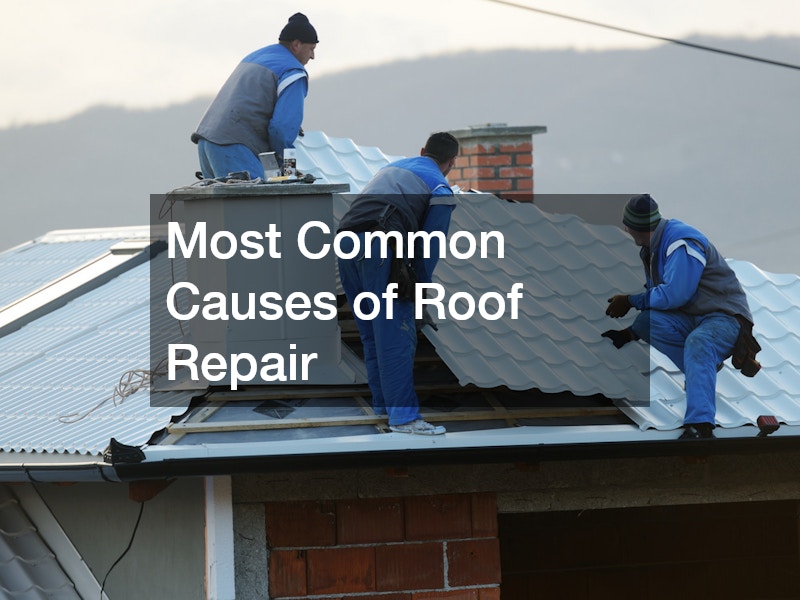
Most Common Causes of Roof Repair

A roof is built to take a beating, but even well-installed systems wear down under real-world conditions. Many homeowners do not notice early warning signs because problems often start small, such as a lifted shingle, a tiny puncture, or a worn seal around a vent. Over time, that minor weakness can let in moisture, create hidden rot, and turn into a larger structural concern. Knowing the most common causes of roof damage helps you spot issues sooner and make smarter decisions about maintenance, inspections, and scheduling roof repair before a small leak becomes a big mess.

Storm Damage And High Winds

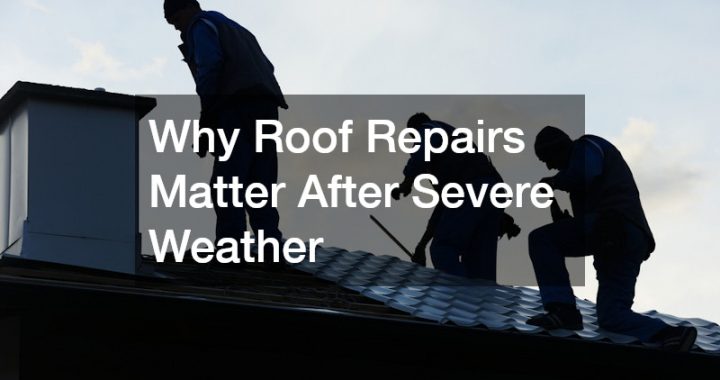
Severe weather is one of the top reasons roofs fail unexpectedly. High winds can lift shingles, loosen flashing, and pull fasteners free, especially along edges, ridgelines, and around roof penetrations.


Video Source

Once wind breaks the seal that keeps water out, rain can slip underneath and start soaking the roof deck. Hail is another major culprit because it can bruise shingles, crack tiles, and knock protective granules off asphalt shingles, which speeds up aging. After strong storms, it is smart to check for missing shingles, dented vents, debris impacts, and water stains in the attic, since these are common triggers for roof repair.

Aging Materials And Normal Wear

Even without dramatic storms, roofing materials naturally degrade over time. Sun exposure can dry out shingles, making them brittle and more likely to crack or curl. Daily temperature swings cause expansion and contraction that slowly loosens seals and weakens joints. Granules that protect asphalt shingles can wash away, reducing UV protection and shortening the roof’s lifespan. Older roofs may also have nails backing out, exposed underlayment, or thinning areas that are easier for water to penetrate. When wear is widespread, roof repair becomes less about a single fix and more about addressing a pattern of age-related failures.

Poor Installation Or Low Quality Workmanship

Many roofing issues trace back to how the roof was installed, not just what it has been through. Misaligned shingles, improper nailing, and weak sealing can create pathways for water from day one. Flashing mistakes are especially common, such as using the wrong metal, skipping critical pieces, or failing to integrate flashing correctly with shingles. Underlayment problems, poor ventilation planning, and shortcuts around penetrations can also cause early leaks. If a roof begins leaking soon after installation or shows repeated issues in the same areas, roof repair may point to underlying workmanship problems that need to be corrected, not patched repeatedly.

Flashing Failures Around Vulnerable Areas

Flashing is the thin material that seals transitions where water naturally wants to collect, such as chimneys, skylights, valleys, and where the roof meets walls. When flashing rusts, cracks, separates, or was installed incorrectly, water can run behind it and travel into the home. Sealants around flashing can also dry out and shrink over time, leaving gaps that are hard to see from the ground. Valleys are another high-risk area because they carry a lot of runoff, and even small defects can lead to leaks. Many roof repair calls come down to restoring proper flashing and water-shedding design in these vulnerable zones.

Clogged Gutters And Poor Drainage

Water is supposed to flow off the roof and away from the house, but drainage problems can trap moisture where it does damage. When gutters clog with leaves or debris, water can back up and overflow, soaking fascia boards and pushing moisture up under the edge of the roof. In colder conditions, backed-up water can contribute to ice dams that force water beneath shingles. Poor gutter slope, missing downspouts, and sagging sections can also cause water to pool in the wrong places. Keeping gutters clear and drainage working properly is a simple step that can reduce the chance of needing roof repair caused by chronic moisture exposure.

Ventilation Problems And Condensation

Not all roof damage comes from rain entering from above. Inadequate attic ventilation can trap heat and moisture, which may lead to warped decking, mold growth, and premature aging of shingles. Condensation can form when warm indoor air meets cold roof surfaces, especially in winter, and that moisture can drip onto insulation and wood framing. Over time, the roof structure can weaken even if the roof covering looks fine from the outside. If you notice musty odors, damp insulation, or frost in the attic, it may be time to investigate ventilation and moisture control as part of a proactive roof repair plan.

Tree Limbs, Debris, And Foot Traffic

Physical impacts are another common cause of roof damage. Falling branches can puncture shingles, crack tiles, or dent metal panels, and even smaller debris can scrape away protective surfaces. Moss and algae can also trap moisture and create conditions where materials degrade faster, particularly in shaded areas. On top of that, repeated foot traffic from service work can break shingles or damage tiles if the roof is not walked carefully. If you have trees overhanging the roof or notice scuffed areas and damaged spots after work has been done, a timely roof repair can prevent those small impacts from turning into leaks.

A timely roof repair can prevent those small impacts from turning into leaks

Categories
Home

Affordable Skylight Services to Brighten Your Home Naturally

If you’re thinking about improving the look and feel of your home, skylight services could be the perfect solution. Skylights bring in natural light, make rooms feel larger, and can even help reduce your energy bills. Whether you’re building a new home, updating an old one, or fixing a leak, understanding what skylight services include can help you make smart choices. This guide explains everything in simple terms so you know what to look for when you hire professionals to work with skylights.


Video Source

What Are Skylights and Why Are They Popular?

What Is a Skylight?

A skylight is a window installed in your roof. It lets sunlight shine into your home from above. Unlike regular windows that sit in walls, skylights open up your roof to natural light. Some skylights are fixed, meaning they don’t open, while others can open for fresh air.

Why Homeowners Love Skylights

Homeowners choose skylights for many reasons:

  • Natural light: Skylights fill rooms with sunlight, making spaces look bright and cheerful.
  • Energy savings: With more daylight, you may use less electricity for lighting.
  • Ventilation: Opening skylights can improve airflow and help cool a room.
  • Curb appeal: Skylights can make your home more attractive to buyers.

Natural light has real benefits for your mood and comfort, too. It can make spaces feel larger and more inviting. That’s why skylight services are becoming more popular across the country.

Types of Skylight Services

Skylight Installation

Installing a skylight is where most skylight services begin. A professional team will:

  • Measure and plan the opening
  • Cut a hole in your roof carefully
  • Install the skylight frame and glass
  • Seal the edges to prevent leaks

The right installation is critical. If it’s not done correctly, water can seep in and cause damage. That’s why you want experienced installers who know how to protect your roof and keep your home weather-tight.

Skylight Repair

Over time, skylights can develop problems. Common issues include:

  • Leaks or water stains
  • Cracked or foggy glass
  • Failed seals
  • Drafts

A repair service will inspect the skylight, find the problem, and fix it. This may involve replacing the glass, resealing the frame, or repairing flashing around the skylight. Flashing is the metal trim that helps divert water away from the skylight.

Skylight Maintenance

To keep skylights working well, maintenance is key. Professional skylight services may include:

  • Cleaning the glass inside and out
  • Checking seals and flashing
  • Lubricating movable parts
  • Inspecting for cracks or damage

Routine maintenance can catch small issues before they turn into expensive repairs. It also keeps your skylight looking great and operating smoothly.

Skylight Replacement

Sometimes a skylight is too old or damaged to repair. In this case, replacement is the best option. Skylight replacement services will remove the old unit and install a new one. This can improve energy efficiency and update the look of your home.

How to Choose the Right Skylight Service Provider

Look for Experience and Reputation

When choosing a skylight service company, consider how long they’ve been in business and what customers say about them. Reviews and ratings from previous clients can help you understand their quality of work.

Check for Licensing and Insurance

Always hire a company that is licensed and insured. This protects you if something goes wrong during installation or repair. A licensed contractor has met certain standards and can legally work in your area.

Ask About Warranties

Good skylight services should include a warranty. This means if there’s a problem after the work is done, the company will fix it at no extra cost. Ask what is covered and how long the warranty lasts.

Get Multiple Quotes

Before making a decision, request estimates from at least two or three companies. This gives you a sense of what a fair price should be. Don’t automatically choose the cheapest option — quality matters when it comes to your home.

Benefits of Professional Skylight Services

Improved Comfort

A well-installed skylight brings in natural light without drafts or leaks. You’ll enjoy brighter, more comfortable rooms year-round.

Increased Home Value

Skylights can boost your home’s appeal. Potential buyers often see skylights as a luxury feature that adds value.

Reduced Energy Costs

With more daylight, you may rely less on electric lighting. Some skylights also provide ventilation, helping reduce air conditioning costs in warm weather.

Prevention of Water Damage

Professionally installed and maintained skylights reduce the risk of water damage. Water leaks can lead to mold, wood rot, and expensive repairs if not addressed quickly.

Common Myths About Skylights

“Skylights Always Leak”

This isn’t true when skylights are installed and maintained properly. Leaks usually happen because of poor installation or old, worn seals. With the right skylight services, leaks can be prevented.

“Skylights Make Rooms Too Hot”

Modern skylights come with energy-efficient glazing that helps block heat in summer and retain warmth in winter. Proper placement also minimizes unwanted heat gain.

“DIY Skylight Installation Is Easy”

Installing a skylight involves cutting into your roof and ensuring proper sealing and flashing. It’s not a simple DIY project for most homeowners. Professional skylight services ensure the job is done safely and correctly.

How to Prepare for Skylight Installation

Clear the Work Area

Remove furniture and items from the room below where the skylight will go. This protects your belongings and gives workers space to move.

Protect Your Floors and Belongings

Good contractors will use drop cloths and protective coverings. You can also move valuables to another room to avoid dust and debris.

Ask Questions

Before work begins, ask the installation team about the timeline, what to expect, and how they’ll protect your home. Clear communication helps the project go smoothly.

Final Thoughts on Skylight Services

Skylight services offer a way to bring more natural light, beauty, and value to your home. From installation and repairs to maintenance and replacement, these services ensure your skylights perform their best. When you choose experienced, licensed professionals, you’ll enjoy all the benefits of natural light without the headaches of leaks or drafts. Whether you’re brightening up a living room, bathroom, or kitchen, skylight services can transform your space and improve your daily life with sunshine from above. Remember, good skylight services start with quality work and end with a home that feels brighter and more inviting — and that’s exactly what you want when you invest in skylight services.

Top-Rated Skylight Services for Installation, Repair, and Maintenance

Categories
Home

Tips for Selecting the Best Painting Contractors

Choosing the right painting contractors is crucial to ensuring a satisfactory outcome for your home or business painting project. With so many options available, it can be overwhelming to make the right choice. This article provides a comprehensive guide to help you through the process.


Video Source

How to Evaluate the Experience and Expertise of Painting Contractors

Importance of Checking Qualifications

Hiring painting contractors with the right qualifications ensures that your project is executed with professionalism and expertise. Contractors with relevant certifications and training in the painting industry are more likely to adhere to industry best practices.

The significance of qualifications cannot be understated, as they often reflect a contractor’s commitment to maintaining high standards. Such credentials are also typically indicative of ongoing education and training, which keep contractors updated with the latest techniques and materials.

Evaluating qualifications involves checking for certifications from recognized bodies and understanding the contractor’s level of training. This check helps in ensuring that the chosen contractor is equipped to handle the complexities of your specific project.

Assessing Portfolio and Past Work

One of the best ways to gauge a contractor’s capability is by reviewing their portfolio of past work. A detailed portfolio showcases the variety and scope of projects they have handled, offering insights into their workmanship and style.

While assessing their portfolio, it is beneficial to look for consistency in quality and attention to detail across different projects. This can help ensure that the contractor’s work aligns with your expectations for your own project.

A well-documented portfolio also serves as a testament to the contractor’s experience in tackling projects similar to yours. It provides a practical demonstration of their ability to deliver on promises, thus aiding in building trust and confidence in their services.

What Questions to Ask During the Consultation Process

Understanding the Project Timeline and Cost

During the consultation process, it’s crucial to ask questions about the project timeline and cost estimates. Clarifying these details helps avoid misunderstandings and ensures that both parties have a common expectation regarding project completion.

Asking about the cost breakdown allows for a clearer understanding of what is included in the estimate, such as labor, materials, and any potential additional charges. This transparency is vital for budgeting and can prevent unexpected expenses later on.

Moreover, discussing the project timeline can assist in planning around the painting work, especially for businesses that need to minimize downtime. Understanding these aspects upfront leads to smoother project execution and increased satisfaction for both the contractor and client.

Ensuring the Use of High-Quality Materials

High-quality materials are critical for achieving long-lasting and visually appealing results in any painting project. Therefore, it is essential to determine whether a contractor uses premium materials during the initial consultation.

The advantages of using high-quality paints and supplies include better coverage, more vibrant colors, and increased durability, which collectively enhance the overall outcome of a project. Contractors who prioritize quality materials are often committed to delivering superior results and customer satisfaction.

Discussing material choices is equally important to align the project with the client’s expectations. High-grade materials, while potentially costlier, can offer savings over time through reduced need for touch-ups and longer intervals between repainting.

How to Verify Licensing, Insurance, and References

Importance of Proper Licensing and Insurance

Proper licensing and insurance are fundamental aspects to consider when selecting a painting contractor. They protect the client from liability in the event of accidents or damages during the project.

Licensing ensures that the contractor is legally allowed to operate in your area and is familiar with local regulations and standards. An insured contractor provides peace of mind, knowing that any potential issues will not result in unexpected costs for the client.

Without proper licensing and insurance, clients risk working with an unregulated contractor, which can lead to legal complications and financial loss. Ensuring these credentials beforehand safeguards the client’s interests and fosters a professional working relationship.

Gathering and Contacting References

References are a powerful tool in assessing a contractor’s reliability and past client satisfaction. Contacting previous clients provides first-hand insight into the contractor’s work ethic, professionalism, and overall performance.

Effectively gathering and analyzing references involves asking detailed questions about the client’s experience with the contractor. Understanding how past clients rate the punctuality, quality of work, and communication can be crucial factors in your decision-making process.

References also offer a candid view of what working with the contractor might entail, highlighting strengths and potential areas of concern. Consistent positive feedback from past clients is a strong indicator of a contractor’s capability and dedication to their craft.

Selecting the right painting contractor requires diligent research and effective communication. By evaluating experience, asking pertinent questions, and verifying credentials, you can ensure your painting project is handled by skilled professionals who deliver quality results.

During the consultation process, it

Categories
Home

How a Home Remodeling Company Can Transform Your Entire Living Space

When it comes to making your house feel like a true home, the journey often goes beyond simply decorating or adding furniture. Transforming a living space into one that is comfortable, functional, and stylish requires thoughtful planning and strategic upgrades. Whether you’ve just moved into a new property or have lived in your current home for years, there’s always potential to improve how your space looks and operates. Remodeling a home is a powerful way to not only boost its aesthetic appeal but also increase its value and enhance everyday living.

Homeowners today are increasingly interested in projects that merge beauty with practicality. This means tackling improvements that address not only the appearance but also the efficiency and convenience of a home. From updating outdated plumbing to installing modern heating and cooling systems, every enhancement plays a vital role in elevating your environment. These improvements make a difference in daily comfort while also ensuring your home keeps pace with evolving standards in safety, sustainability, and technology.

A well-thought-out remodeling project involves coordination across many trades and specializations. It’s not just about choosing new paint colors or fixtures; it’s about integrating systems that work together seamlessly. Smart water systems, efficient climate control, safe electrical upgrades, and practical storage solutions all contribute to a harmonious home. The right mix of these elements can turn an ordinary house into a space tailored perfectly to your lifestyle.

Moreover, remodeling encourages personalization. It allows you to express your taste and preferences in ways that meet your family’s needs now and in the future. Whether your goal is to create a cozy retreat, a bright and open gathering spot, or a smart, energy-efficient environment, the right upgrades will set you on the path to achieving that vision.

In this article, we’ll explore the various aspects of a comprehensive home remodel—from enhancing functionality and style to upgrading critical systems like plumbing, heating, and electrical. You’ll learn about modern solutions that provide comfort and efficiency and discover how expert professionals can bring your remodeling dreams to life with quality craftsmanship and innovative designs.

Enhancing Your Home’s Functionality and Style

Enhancing Your Home’s Functionality and Style

One of the primary goals of a remodeling project is to improve how your home functions while elevating its aesthetic appeal. A professional home remodeling company plays a crucial role in balancing these two elements. They understand that a successful remodel isn’t just about looks—it’s about creating spaces that make everyday living easier, more comfortable, and more enjoyable.

When you collaborate with a remodeling company, they assess your current layout, identify areas for improvement, and propose changes that maximize space and flow. Whether it’s opening up walls to create an open-plan living area or redesigning a cramped kitchen to be more efficient, the possibilities for transformation are vast. Beyond structural changes, remodeling companies focus on incorporating design elements that reflect your style, from modern minimalism to classic warmth.

Functionality enhancements often involve rethinking how rooms serve your needs. For instance, adding multifunctional spaces that work as both offices and guest rooms addresses the evolving demands of home life. Careful attention to lighting, storage, and traffic flow ensures your home operates smoothly. The right remodeling partner offers expert advice on materials, finishes, and layouts that marry style and function perfectly.

By integrating these improvements, your home not only looks better but feels better. Everyday routines become simpler, and your living environment becomes more inviting. This kind of transformation goes beyond cosmetic fixes—it fundamentally upgrades your quality of life.

Upgrading Your Home’s Water Systems for Efficiency

Water systems form the backbone of any comfortable home, and upgrading these systems is a smart investment during remodeling. Plumbing services cover a broad range of needs—from fixing leaks and replacing old pipes to installing new fixtures and upgrading water heaters. Modern plumbing solutions improve both the reliability and efficiency of your home’s water supply.

As homes age, plumbing issues often arise, leading to leaks, water damage, or inconsistent water pressure. Addressing these problems during a remodel can prevent costly repairs down the line and ensure your water system operates smoothly. Professional plumbing services also focus on installing fixtures that conserve water without sacrificing performance, supporting sustainability goals.

Upgrades might include switching to more durable piping materials or integrating smart water sensors that alert you to potential issues before they become emergencies. These innovations provide peace of mind and help maintain the integrity of your home’s water infrastructure. The result is a system that’s not only efficient but also built to last.

Modern Solutions for Reliable Hot Water

Reliable hot water is essential for everyday comfort, and modern tankless water heaters offer an excellent solution for many homeowners. Unlike traditional storage tank water heaters, which keep a large volume of water heated continuously, tankless units heat water on demand. This method increases efficiency by eliminating standby heat loss, which saves energy and reduces utility bills.

Tankless water heaters are compact and can be installed in smaller spaces, freeing up valuable room in your home. Their advanced technology allows for precise temperature control, ensuring you have a steady supply of hot water whenever needed. During a remodeling project, upgrading to a tankless system can be a game-changer for both comfort and efficiency.

Because these systems only heat water as it’s needed, they tend to have a longer lifespan than traditional heaters and require less maintenance. This makes them a smart investment that pays off over time. Plus, many models are designed with eco-friendly features, contributing to a greener household.

Expert Help for Your Home’s Plumbing Needs

Expert Help for Your Home’s Plumbing Needs

The complexity of plumbing systems demands professional expertise, especially when remodeling involves major changes or upgrades. Experienced plumbers bring the technical know-how to install, repair, and maintain plumbing infrastructure safely and efficiently.

During a remodel, plumbers work closely with other contractors to coordinate pipe rerouting, fixture installation, and compliance with local building codes. Their skills ensure that your new or upgraded systems function flawlessly and meet all safety standards.

Whether you’re upgrading a kitchen sink, adding a bathroom, or replacing an entire plumbing system, hiring qualified plumbers prevents costly mistakes and delays. Their precision and attention to detail make a significant difference in the overall success of your remodeling project.

Improving Comfort Through Smart Climate Control

Heating, ventilation, and air conditioning systems have a significant impact on your home’s comfort year-round. HVAC service during remodeling ensures your system is functioning optimally and matches the needs of your updated space. Efficient climate control improves indoor air quality, maintains consistent temperatures, and helps manage energy costs.

A professional HVAC technician will evaluate your current setup and recommend upgrades or replacements tailored to your home’s size and layout. Upgrading an aging HVAC system during a remodel not only improves comfort but also adds value and reduces your carbon footprint.

Routine HVAC service keeps systems running smoothly and extends their lifespan. It involves cleaning, tune-ups, and identifying potential issues before they become major problems. This preventive approach supports the overall health and efficiency of your home.

Professional Installation for Optimal Heating and Cooling

Proper installation is critical to the performance of any HVAC system. HVAC installation during remodeling requires precision to ensure equipment operates at peak efficiency. Expert technicians install ductwork, thermostats, and air handlers with exacting standards, preventing issues like uneven heating or energy waste.

Whether installing central air conditioning or upgrading to a modern heat pump, professional installation guarantees your system meets manufacturer specifications and local regulations. This reduces the likelihood of breakdowns and costly repairs.

Additionally, modern HVAC installations often incorporate smart technology, allowing you to control your home’s climate remotely and optimize energy use. This integration aligns with contemporary home remodel goals focused on convenience and sustainability.

Ensuring Electrical Safety and Modernization

Ensuring Electrical Safety and Modernization

Electrical systems are a critical aspect of home safety and functionality. Remodeling provides the perfect opportunity to update your wiring, outlets, and fixtures to current standards. Residential electricians are skilled at modernizing electrical infrastructure to support today’s technology and lifestyle demands.

Older homes may have outdated wiring that poses fire hazards or limits electrical capacity. Upgrading these systems improves safety and allows you to add features such as home automation, better lighting, and increased appliance load capacity.

Electricians also ensure all work complies with local codes and inspection requirements, giving you peace of mind. Modern electrical upgrades increase the overall value of your home and provide a foundation for future tech enhancements.

Refreshing Your Walls With a New Look

A fresh coat of paint is one of the simplest yet most impactful ways to update your home’s appearance during remodeling. A professional painting company brings expertise in surface preparation, color selection, and flawless application.

Painting not only revitalizes your walls but also protects surfaces from wear and damage. Experts use high-quality paints designed for durability and low emissions, promoting a healthier indoor environment.

Whether you want to create a bold accent wall or refresh your entire home with a new palette, professional painters ensure the finish is smooth, even, and long-lasting. This final touch enhances the overall aesthetic and ties together other remodeling elements beautifully.

Creating Order With Custom Storage Solutions

Organization is key to maintaining a tidy and functional home. Custom organization systems designed by specialists maximize your space’s potential by creating tailored storage solutions.

During remodeling, adding built-in closets, shelving, and cabinets can significantly reduce clutter and improve accessibility. These systems are designed to fit your lifestyle, whether you need space for clothes, kitchenware, or home office supplies.

Custom storage solutions blend seamlessly with your home’s design, offering both practicality and style. They contribute to a streamlined, efficient environment where everything has its place, making daily routines smoother.

Transforming Spaces With Quality Cabinetry

Transforming Spaces With Quality Cabinetry

Cabinetry plays a central role in kitchens, bathrooms, and storage areas, combining utility with design. A skilled cabinet contractor crafts high-quality cabinets that enhance your remodel’s functionality and appearance.

Custom cabinets offer flexibility in size, material, and finish, allowing you to create a look that complements your home’s style. They provide essential storage and organization while also serving as key design elements.

Investing in quality cabinetry improves durability and adds significant value to your home. From elegant kitchen cabinets to practical bathroom vanities, well-crafted cabinetry elevates the entire remodeling experience.

A comprehensive home remodel is a rewarding way to breathe new life into your living environment. It offers the chance to enhance every aspect of your home—from its overall style and layout to the critical systems that support daily comfort and safety. By working with experienced professionals across different trades, you ensure that every detail is addressed with care and precision.

Upgrading your home’s water systems, for example, not only prevents future problems but also introduces more efficient and sustainable solutions. Modern hot water options like tankless water heaters save energy and space, making them an excellent choice for today’s homeowners. Expert plumbers bring the technical skills necessary to install and maintain these systems, ensuring they operate smoothly for years to come.

Climate control improvements through HVAC service and installation greatly impact your indoor comfort and energy bills. Professional electricians help modernize your home’s wiring, keeping you safe and ready for today’s technology demands. Meanwhile, refreshing your walls with professional painting adds a fresh aesthetic layer that pulls your entire design together.

Storage solutions and quality cabinetry complete the transformation by organizing your space and adding lasting value. Custom-built systems not only reduce clutter but also integrate beautifully with your home’s overall design, enhancing both functionality and style.

Ultimately, a well-executed remodel is more than just a facelift. It’s an investment in a better way of living—one that increases comfort, convenience, safety, and satisfaction in your home. With the right team of skilled professionals guiding you every step of the way, your remodeling vision can become a reality that you and your family will enjoy for many years to come. Whether you’re starting with small upgrades or a full-scale renovation, each improvement brings you closer to a home that truly reflects your needs and personality. This journey of transformation can be as exciting as it is rewarding, making your home a place where life’s best moments unfold.

Categories
Home

Learn The Shocking Truth About Why You Should Not Purchase Cheap Kitchen Cabinets

Cheap kitchen cabinets are often made from inferior materials that lack durability. These materials are prone to warping, cracking, and general wear and tear over time.


Video Source

This often leads to the cabinets needing replacement sooner than expected.

Investing in cheap kitchen cabinets might save you money in the short term, but you’ll likely pay more in the long run. Quality materials such as solid wood or premium plywood ensure longevity, enabling your kitchen cabinets to withstand heavy use. The upfront cost for better quality can actually translate to cost savings down the road.

The materials used in cheap kitchen cabinets may also emit harmful chemicals. This is due to the low-grade adhesives and finishes that are often utilised. Ensuring kitchen cabinets meet safety standards is crucial for your home’s air quality and your family’s health.

Lack of Durability

Cheap kitchen cabinets often suffer from a lack of structural integrity. Poor assembly techniques and inferior hardware contribute to their susceptibility to damage. These cabinets tend to show signs of wear quickly, such as loose hinges or sagging shelves.

Durability is compromised when corners are cut during manufacturing. High-quality kitchen cabinets feature robust construction and use hardware like soft-close hinges and full-extension drawer slides. These elements are designed to withstand daily use and maintain their integrity.

A key factor in the durability of kitchen cabinets is the quality of craftsmanship. Skilled artisans ensure that each piece fits perfectly, resulting in a seamless and sturdy product. Without such expertise, cheap kitchen cabinets are far more likely to deteriorate quickly.

Design Limitations

Cheap kitchen cabinets typically come with limited design options. This lack of versatility can restrict your ability to personalise your kitchen space according to your style and needs. Many homeowners find themselves disappointed with the generic and uninspired look of their budget cabinets.

Higher-end kitchen cabinets offer a broad range of customisation features such as finishes, door styles, and accessories. With a wealth of design options, you can truly make your kitchen unique and suited to your tastes. This is an important aspect for those who view their kitchen as the heart of the home.

Moreover, the inability to customise cheap cabinets can also affect functionality. Cheaper options may lack features like lazy Susans, slide-out trays, or built-in organisers that make working in the kitchen more efficient. Investing in higher-quality kitchen cabinets can offer both beauty and enhanced functionality for your everyday needs.

Environmental Impact

Cheap kitchen cabinets often have a higher environmental impact due to their short lifespan and use of non-sustainable materials. The frequent need for replacement contributes to increased waste and resource consumption. Opting for eco-friendly kitchen cabinets can significantly reduce this footprint.

High-quality kitchen cabinets are often made from sustainably sourced materials and feature eco-friendly finishes and adhesives. These cabinets are built to last, thus decreasing the number of resources required over time. This not only benefits the environment but also reflects your commitment to sustainable practices.

The manufacturing processes for cheap cabinets may also be less stringent in terms of environmental regulations. Higher-end manufacturers typically adhere to environmental guidelines that help mitigate pollution and resource waste. Choosing cabinets from these manufacturers is a step toward more responsible consumption.

Hidden Costs

While cheap kitchen cabinets may seem cost-effective initially, hidden costs can accumulate over time. These costs often come in the form of constant repairs, frequent replacements, and diminished resale value of your home. What seems like savings upfront may end up costing more in the long run.

In addition to repair and replacement costs, cheap cabinets often require more maintenance. Low-quality finishes and hardware are more likely to degrade, necessitating additional upkeep. Investing in higher-quality kitchen cabinets can thus save time and money on long-term maintenance.

The impact of cheap kitchen cabinets on home value shouldn’t be underestimated. Potential buyers can spot low-quality materials and may perceive this as indicative of other hidden issues within the house. By purchasing high-quality cabinets, you can enhance both your kitchen’s functionality and your property’s market appeal.

Low-quality finishes and hardware are more likely to degrade, necessitating additional upkeep.

Categories
Home

Small Projects That Can Incrase Your Homes Energy Efficiency

Homeowners today are increasingly looking for ways to lower energy bills, boost comfort, and live more sustainably. While major renovations can certainly improve energy performance, the truth is that you don’t have to overhaul your home to make a difference. Small, practical projects can have a big impact on efficiency and long-term savings. From improving insulation and upgrading lighting to maintaining essential systems like water heaters and HVAC units, there are numerous ways to make your home perform better. Partnering with professionals such as a plumbing company, local HVAC company, or roofing contractor can also ensure each project is done safely and effectively.

What Are Some Quick and Easy Energy Efficiency Projects?

What Are Some Quick and Easy Energy Efficiency Projects?

There are several straightforward improvements you can make around the house that immediately enhance efficiency without demanding major investments or specialized tools.

Weather-stripping Doors and Windows

Air leaks around windows and doors are among the biggest energy wasters in most homes. By adding new weather-stripping, you can seal gaps that let in drafts and force your HVAC system to work harder. The materials are affordable and simple to install, yet the results can be significant—especially in older homes with worn seals. Local plumbers and contractors often recommend combining weather-stripping with basic caulking around window frames to achieve the best insulation.

Installing LED Light Bulbs

Replacing incandescent bulbs with LED lighting is one of the easiest steps toward efficiency. LEDs use up to 80% less energy and can last more than a decade. They also generate less heat, which reduces cooling demands during warmer months. When paired with dimmer switches or motion sensors, LED lighting becomes an even more powerful energy-saving tool.

Adding Low-flow Showerheads

Water-saving fixtures play a major role in overall efficiency. A plumbing company can easily replace older showerheads with modern low-flow models that reduce water use while maintaining strong pressure. This saves both water and the energy used by water heaters to supply hot water, resulting in long-term cost reductions.

Utilizing Smart Power Strips

Smart power strips automatically shut off electricity to devices that are not in use. This helps eliminate phantom loads—energy consumed by electronics even when they’re turned off. They’re perfect for entertainment centers, home offices, or any area where multiple devices stay plugged in most of the time.

Applying Window Film

Applying reflective or insulating window film helps reduce heat transfer, maintaining comfortable indoor temperatures throughout the year. This small upgrade is particularly effective in sunny climates, where solar heat can drive up cooling costs. Combined with energy-efficient curtains, it offers excellent insulation value.

How Can Insulation Improve Energy Efficiency?

Proper insulation is a cornerstone of energy-efficient living. It helps stabilize indoor temperatures, reduces reliance on heating and cooling systems, and lowers overall energy costs.

Understanding R-Values

R-value measures how resistant an insulation material is to heat flow. The higher the R-value, the more effective the insulation. Attics, walls, and floors may each require different R-values based on your region’s climate. Consulting an experienced roofing contractor or insulation specialist can help ensure you choose the best material for your home’s needs.

Insulating Attics

Because warm air rises, the attic is one of the most critical areas to insulate. Heat loss through the roof can account for a large portion of wasted energy during winter. Blown-in cellulose, fiberglass batts, and spray foam insulation are all effective options. In some homes, a local waterproofing company may also recommend adding vapor barriers or roof ventilation to prevent moisture buildup.

Wall Insulation Options

If your home’s walls feel cold in winter or hot in summer, it may be time for additional insulation. Retrofit options like blown-in cellulose or spray foam fill gaps without requiring major demolition. Adding insulation not only improves comfort but can also reduce noise and improve indoor air quality.

Benefits of Basement Insulation

Basements tend to be cool and damp, which can draw heat from the rest of your home. Installing rigid foam or spray insulation along the basement walls helps maintain a stable indoor temperature and protects against moisture intrusion. Homeowners often pair this project with a local waterproofing company to ensure proper sealing and drainage.

Sealing Air Leaks

Small air leaks around pipes, vents, and wiring can undermine even the best insulation. Sealing these gaps with caulk or expanding foam prevents energy loss. Many local plumbers offer sealing as part of their energy-efficiency upgrades, especially around plumbing penetrations where leaks are common.

What Are Cost-Effective Ways to Reduce Heating and Cooling Costs?

What Are Cost-effective Ways to Reduce Heating and Cooling Costs?

Heating and cooling typically represent the largest share of a household’s energy expenses. Implementing small, low-cost adjustments can dramatically improve performance.

Programmable Thermostats

Installing a programmable thermostat allows precise temperature control. You can set it to lower the heat or cooling while you’re away, then automatically return to a comfortable level before you arrive home. A local hvac company can help install and calibrate these thermostats for maximum benefit.

Ceiling Fan Usage5

Ceiling fans provide excellent air circulation and make rooms feel cooler in summer or warmer in winter when set to rotate in the opposite direction. This allows you to adjust your thermostat by several degrees without sacrificing comfort, cutting down on energy use.

HVAC Maintenance Tips

Routine HVAC maintenance ensures efficiency and extends the system’s lifespan. Changing filters regularly, cleaning vents, and scheduling seasonal tune-ups with a local hvac company can keep your unit running smoothly. These services prevent airflow issues and mechanical strain that can drive up fuel oil or electricity usage.

Using Thermal Curtains

Thermal curtains trap heat indoors during cold months and block out sunlight during hot ones. They’re a simple, affordable way to reduce the workload on your heating and cooling systems.

Zoning Heating and Cooling

Zoned HVAC systems divide your home into different areas, each with independent temperature controls. This setup ensures you only heat or cool rooms that are in use, which significantly reduces energy waste.

Are There Eco-friendly Lighting Options for My Home?

Lighting upgrades are among the most visible and immediate ways to enhance energy performance while improving ambiance.

Benefits of LED Bulbs

LED lighting remains the top choice for homeowners seeking eco-friendly options. These bulbs require minimal energy to operate and last much longer than incandescent or halogen lights. They’re available in various brightness levels, color temperatures, and styles, making them suitable for any décor.

Solar-powered Lighting

Outdoor solar lights use photovoltaic cells to store energy from sunlight during the day and illuminate pathways or gardens at night. They eliminate wiring needs and require virtually no ongoing energy cost.

Motion-sensor Lighting

Motion sensors reduce wasted electricity by automatically switching lights on when movement is detected and off when it’s not. Installing these in hallways, garages, and bathrooms is an effortless way to save energy.

Incorporating Skylights

Skylights fill your home with natural daylight, reducing reliance on artificial lighting. Energy-efficient models feature low-emissivity coatings and tight seals to minimize heat loss or gain.

Dimmer Switches Installation

Dimmer switches offer greater lighting control and reduce overall energy consumption. They’re easy to install and enhance the atmosphere of any room while extending bulb life.

How Can Energy-efficient Appliances Save Money?

Upgrading to efficient appliances can dramatically reduce your home’s electricity and water consumption while improving convenience.

Energy Star Ratings

Appliances with Energy Star certification meet government standards for reduced energy use. From dishwashers to water heaters, these products deliver excellent performance with less environmental impact.

Importance of Refrigerator Maintenance

A well-maintained refrigerator consumes less electricity. Cleaning the coils, checking door seals, and keeping temperatures optimal can improve efficiency and prolong the appliance’s lifespan.

Choosing Efficient Washers and Dryers

Energy-efficient washers and dryers use less water, electricity, and detergent. High-efficiency models also shorten drying times, which conserves even more power.

Induction Cooktops Benefits

Induction cooktops are an advanced, energy-smart cooking solution. They heat pans directly, ensuring minimal wasted energy and faster cooking times. They’re also safer and easier to clean than traditional stovetops.

Regular Maintenance of HVAC Systems

Your HVAC system runs continuously throughout the year, making maintenance essential. A local hvac company can check refrigerant levels, inspect ductwork, and fine-tune components to maximize performance and energy savings.

What Role Do Smart Home Devices Play in Energy Efficiency?

Smart home devices help homeowners take control of their energy use by providing real-time data and automated adjustments.

Smart Thermostats

Smart thermostats learn your routines and adjust temperatures automatically for optimal comfort and efficiency. They can also be controlled remotely, making it easier to manage energy use while away from home.

Energy Monitoring Systems

These systems track how much electricity each appliance or circuit consumes, helping you identify areas for improvement. Over time, this data empowers homeowners to make more efficient choices.

Smart Lighting Systems

With smart lighting, you can program lights to turn off when rooms are unoccupied or dim automatically at certain times of day. This level of control can yield substantial savings.

Voice-controlled Devices

Integrating voice control makes energy management effortless. Devices like smart plugs, thermostats, and lighting systems can be activated or shut off with simple voice commands.

Integration with Renewable Energy Sources

Smart systems can coordinate with solar panels, battery storage, or even fuel oil heating systems to balance energy use efficiently. By integrating these technologies, homeowners can further reduce grid dependence.

Can Landscaping Affect My Home’s Energy Use?

Can Landscaping Affect My Home’s Energy Use?

Landscaping not only beautifies your property but also acts as a natural regulator of temperature and environmental exposure.

Benefits of Shade Trees

Strategically planted trees reduce summer heat gain by shading your home, lowering cooling costs. Tree services can recommend the best species for your region and property layout.

Strategic Planting for Insulation

Bushes and shrubs planted along exterior walls help block wind and insulate your home’s foundation. This natural barrier enhances the effectiveness of your existing insulation.

Windbreaks for Weather Protection

Windbreaks composed of trees or fencing reduce wind pressure on your home during cold seasons, cutting heating costs and increasing comfort indoors.

Green Roof Systems

Green roofs provide insulation while absorbing rainwater and improving air quality. When installed correctly, they can dramatically reduce the load on your HVAC system and protect roofing materials.

Rainwater Harvesting

Collecting rainwater for irrigation reduces your reliance on treated municipal water. It’s an environmentally friendly way to conserve both water and the energy used in processing and transporting it.

How to Efficiently Use Water in Your Home?

Water efficiency directly ties into energy efficiency, as heating water is one of the most energy-intensive household activities.

Low-flow Fixtures

Replacing older faucets and showerheads with low-flow models conserves water and decreases strain on water heaters. Local plumbers or a reputable plumbing company can install these fixtures quickly and affordably.

Insulate Hot Water Pipes

Pipe insulation prevents heat loss as water travels through your plumbing system. This ensures faster delivery of hot water and reduces overall energy use.

Fixing Leaks Promptly

Even minor leaks waste large amounts of water over time. Scheduling timely repairs with local plumbers prevents damage and helps maintain optimal water pressure.

Installing Water-saving Toilets

Modern toilets with dual-flush systems use less water per flush without compromising performance. This small upgrade significantly lowers household water bills.

Efficient Landscaping for Water Conservation

Drought-tolerant plants and drip irrigation systems help conserve outdoor water. Pairing these with professional tree services ensures healthy, sustainable growth while minimizing waste.

Are There Incentives for Improving Home Energy Efficiency?

Governments and utility companies offer a range of incentives to encourage homeowners to invest in energy-efficient upgrades.

Tax Credits and Rebates

Federal and state tax credits reward homeowners who install insulation, efficient water heaters, or renewable energy systems. These financial benefits can offset installation costs substantially.

Government Subsidies

Many regions provide subsidies for audits, insulation improvements, or upgrades performed by certified contractors. These programs make it easier for households to become energy-efficient.

Utility Company Incentives

Utility providers often offer rebates for purchasing efficient appliances or upgrading HVAC systems. Some even provide free energy audits to identify improvement opportunities.

Energy Efficiency Loans

Low-interest loans for energy-efficient projects help homeowners finance upgrades like flooring services that improve insulation or a well pump maintenance service that optimizes water use efficiency.

Community Programs

Local initiatives may offer workshops, volunteer labor, or shared discounts for eco-friendly upgrades. Getting involved supports both your community and sustainability goals.

What Impact Does Energy Efficiency Have on the Environment?

What Impact Does Energy Efficiency Have on the Environment?

Energy-efficient homes not only save money but also contribute positively to environmental conservation.

Reducing Carbon Footprint

By consuming less electricity, gas, and fuel oil, your home emits fewer greenhouse gases. Over time, these reductions make a meaningful difference in combating climate change.

Conservation of Natural Resources

Efficient homes use fewer natural resources such as water, oil, and minerals. This conservation ensures long-term availability for future generations.

Supporting Renewable Energy

Homes designed with efficiency in mind can better integrate renewable energy technologies such as solar panels or geothermal heating systems, further minimizing fossil fuel reliance.

Decreasing Pollution

Using less energy leads to less pollution from power plants and vehicles. Cleaner air and water contribute to healthier communities and ecosystems.

Sustainability and Future Generations

Energy efficiency is an investment in the future. Every upgrade—from insulation and smart systems to sustainable flooring services—creates a lasting benefit for your family and the planet.

Final Thoughts

Energy efficiency doesn’t require large-scale renovations—small, well-planned projects can produce impressive results. Whether you’re working with a plumbing company to install efficient water heaters, contacting a roofing contractor for better insulation, or scheduling routine maintenance with a local HVAC company, every improvement brings you closer to a more comfortable, cost-effective, and environmentally responsible home. By taking these steps today, you can enjoy long-term savings and contribute to a more sustainable world.

Categories
Home

What Homeowners Should Know Before Hiring Remodeling Contractors

Understanding what to expect when hiring a remodeling contractor is crucial for homeowners seeking home additions or renovations. This comprehensive guide will explore key aspects homeowners should consider to ensure a successful home improvement project, particularly for those considering home additions in Haddonfield, NJ.

How to Choose the Right Remodeling Contractor?

Evaluating Contractor Credentials and Experience

When embarking on a home addition project, it is imperative to evaluate the credentials and experience of potential contractors. Ensuring they have the proper licensing, certifications, and a portfolio of previous work will give homeowners the confidence that their project is in capable hands.

A contractor’s experience in handling similar projects can significantly influence the outcome of your home remodel. Researching their past projects allows you to assess whether their style and quality align with your expectations.


Video Source

Checking for insurance coverage is also essential, as it safeguards both the homeowner and the contractor from unforeseen liabilities. Contractors who are insured demonstrate their professionalism and commitment to the job.

Reading Reviews and Seeking Recommendations

The importance of customer reviews and personal recommendations cannot be underestimated when selecting a remodeling contractor. Reviews offer insights into the contractor’s reliability, punctuality, and quality of work.

Homeowners should seek recommendations from friends, family, or community members in Haddonfield, NJ, who have undertaken similar projects. Personal experiences can be an invaluable resource for assessing a contractor’s reputation.

Utilizing online platforms to gather detailed feedback about potential contractors can aid in making an informed decision. These platforms often provide ratings and detailed experiences from past clients, helping you understand the contractor’s dynamics.

What Should Be Included in a Contract?

Essential Contractual Components

An effective remodeling contract must include fundamental elements such as a detailed scope of work, timeline, and payment schedule. These components ensure a clear understanding and agreement between both the homeowner and contractor.

Documents should also cover permit acquisition, design specifics, and material specifications, reflecting the project requirements in the contract. A well-detailed contract reduces the risk of potential misunderstandings or discrepancies.

A comprehensive agreement serves as a legal framework that safeguards both parties’ interests. It’s wise for homeowners to have a legal advisor review the contract to confirm all stipulations are just and agreed upon.

Dealing with Changes and Unforeseen Issues

During a home addition project, it is not uncommon for changes and unforeseen issues to arise. Properly managing these changes within the contract helps maintain control over the project’s scope and budget.

Having a clause that outlines the process for contract amendments can offer clarity and prevent disputes. This ensures that any modifications are documented, agreed upon, and coherently integrated into the original plan.

By anticipating potential setbacks and establishing protocols for addressing them, homeowners can navigate the construction process smoothly. This proactive approach ensures the project remains on track, even when challenges arise.

Understanding the Costs and Budgeting

Estimating Costs for Home Additions

The accurate estimation of costs is crucial in planning home additions in Haddonfield, NJ. Factors such as materials, labor, permits, and unforeseen expenses play a significant role in determining the overall budget.

Obtaining multiple quotes from different contractors helps homeowners comprehend the pricing spectrum. It enables them to make well-informed decisions while ensuring financial feasibility for their home addition projects.

Contractors typically offer both fixed and flexible pricing models, allowing homeowners to select an option that suits their financial strategy. Understanding these models aids in tailoring the project to meet specific budgetary constraints.

Managing Your Budget Effectively

Effective budget management is pivotal to pursuing a remodeling project without compromising on quality. Homeowners can leverage techniques such as contingency planning and prioritization to remain financially responsible.

A thorough financial plan not only includes estimated project costs but also reserves for unexpected expenses. By setting a realistic budget and adhering to it, homeowners ensure fiscal stability throughout the renovation process.

Utilizing cost-effective materials and negotiating payment terms can further enhance budget management. This strategic approach helps maintain a balance between expenditure and value achieved in the home upgrade.

How to Communicate Effectively With Your Contractor?

Establishing Clear Lines of Communication

Ensuring clear and open communication with your contractor is fundamental in achieving a successful project outcome. Homeowners should establish communication protocols early on to facilitate efficient interaction.

Regular meetings and updates allow both parties to stay informed about the project’s status. This proactive communication decreases the likelihood of misunderstandings and ensures all expectations are duly met.

Utilizing digital tools and platforms can further streamline the communication process. They enable seamless coordination and comprehensive documentation of decisions made throughout the project’s duration.

Addressing Concerns and Conflicts

Despite diligent planning, conflicts may arise, necessitating early identification and resolution strategies. Homeowners should maintain open dialogue with their contractors to address concerns promptly.

Approaches such as mediation and negotiation foster a cooperative environment, focusing on finding mutually satisfactory solutions. Establishing a structured process for dispute resolution ahead of time can expedite the process.

Maintaining a positive and respectful working relationship with the contractor is essential. It encourages collaboration and eases conflict resolution, facilitating smoother progress of the home addition project.

By being well-informed about these critical aspects, homeowners in Haddonfield, NJ can engage confidently with remodeling contractors, ensuring their home addition projects are completed to their satisfaction and specifications. The journey to achieving your dream home requires careful planning and collaboration with the right professionals.

Building Your Dream Home Requires Planning and the Right Experts

Categories
Home

Top Roofing Solutions for Every Need: Repairs, Waterproofing, and More

A strong, reliable roof is one of the most important parts of any home or business. It protects everything beneath it from harsh weather, helps regulate indoor temperature, and adds aesthetic appeal and property value. Yet despite its importance, the roof is often the most neglected system in a building. Many people assume that if it’s not leaking, it’s fine — until a sudden storm, aging materials, or poor drainage prove otherwise.

Your roofing system is constantly at work: enduring rain, snow, sunlight, wind, and debris. Each of those elements wears it down in different ways. The good news? With the right knowledge, professional help, and maintenance habits, you can prevent most roof issues long before they become expensive emergencies.

This guide explores the top roofing solutions for every need — from small repairs to large replacements, waterproofing systems, and maintenance tips. Whether you’re a homeowner hoping to preserve your investment or a business owner managing multiple properties, you’ll find practical insights here for keeping your roof in top condition year-round.

Understanding When Your Roof Needs Attention

Understanding When Your Roof Needs Attention

Your roof doesn’t fail overnight; it sends warning signs first. The trick is recognizing them early enough to take action. A single cracked shingle or minor leak can quickly escalate into water intrusion, structural damage, or even mold growth if ignored.

Key Indicators of Roof Problems

  • Water stains or bubbling paint on ceilings or upper walls

  • Missing or damaged shingles after a storm

  • Moss, algae, or lichen growth, which can trap moisture and deteriorate materials

  • Sagging rooflines, often indicating structural weakness

  • Sudden spikes in energy bills due to insulation or ventilation issues

Even subtle changes—like curling shingles or dark streaks—can signal trouble. Scheduling an inspection with a roofing specialist ensures a trained eye examines the entire surface, flashing, vents, and gutters for hidden problems. A professional roofer knows how to safely walk roofs, check for soft spots, and use moisture meters or drones to assess hard-to-reach areas.

Being proactive can extend a roof’s life by years. Consider setting calendar reminders for seasonal visual inspections and professional checkups each spring and fall. Prevention truly costs a fraction of repair.

Making the Right Choice Between Repair and Replacement

When your roof starts showing wear, one of the biggest questions is whether to repair or replace it. While patching a leak might seem cheaper, sometimes replacement is the smarter long-term decision — especially if your roof’s structure or age are working against you.

How to Decide

  1. Evaluate the roof’s age: Asphalt shingles last around 20–25 years; metal roofs can last 40–70 years.

  2. Consider the damage pattern: Localized issues (like a fallen branch) may be fixed, but widespread wear signals the need for replacement.

  3. Check your home’s structure: Rotted decking or sagging joists indicate underlying issues beyond surface repair.

  4. Compare costs: If repair costs exceed 30% of a new roof’s price, replacement is often more practical.

Request a detailed roof estimate from multiple contractors before making your decision. These estimates should include materials, labor, disposal, and warranty coverage. Sometimes, investing in roof replacements adds instant resale value while reducing ongoing maintenance.

Think of it as upgrading the “skin” of your house — improving insulation, curb appeal, and protection all at once.

Handling Urgent Damage Quickly and Safely

Storms don’t wait for business hours, and neither do roof problems. High winds, falling trees, or heavy snow can leave holes or leaks that need immediate attention. In these moments, quick thinking prevents water from spreading through walls or insulation.

What to Do First

  • Stay calm and stay off the roof. Wet or damaged surfaces are slippery and unsafe.

  • Protect your interior. Use buckets, towels, or plastic sheeting to contain water and prevent ceiling collapse.

  • Document everything. Take pictures and videos for insurance claims.

  • Temporarily cover the damage. A waterproof tarp secured with weights or screws can minimize further leakage.

Then, contact professionals who specialize in emergency roof repairs. They can secure the area, dry it out, and assess whether structural damage occurred. Once the crisis is stabilized, hire a local roof repair service for permanent restoration.

Local contractors are familiar with your region’s weather patterns, permitting requirements, and available materials — which means faster, more reliable service when every hour counts.

The Role of Preventive Maintenance in Extending Roof Life

The Role of Preventive Maintenance in Extending Roof Life

Preventive maintenance is one of the most overlooked yet valuable roofing investments. Homeowners often assume that roofs are “set and forget,” but even the best materials need care. A consistent maintenance plan keeps your roof healthy, prevents leaks, and ensures small issues don’t escalate.

What Regular Roof Maintenance Should Include

  • Cleaning gutters and downspouts: Clogged gutters cause water to pool, leading to leaks or rot.

  • Trimming overhanging trees: Prevents branches from scraping shingles and dropping debris.

  • Checking flashing: This thin metal layer seals joints and edges — it’s often the first place leaks appear.

  • Inspecting ventilation: Poor airflow traps heat and moisture, shortening shingle life.

  • Washing roof surfaces: Professional roof cleaners can safely remove algae, moss, and mildew without damaging materials.

A roofing specialist can build a personalized maintenance schedule based on your roof type and environment. For example, homes in coastal regions face salt corrosion, while those under dense trees require more frequent debris removal.

Regular maintenance isn’t just about durability — it’s about peace of mind. You’ll sleep better knowing your roof is ready for whatever weather comes next.

Weatherproofing Strategies That Work Year-Round

Rain, humidity, snow, and heat are all relentless enemies of roofing materials. Weatherproofing creates a barrier that resists leaks and temperature extremes, adding years of protection to your roof.

Common Waterproofing Methods

  • Rubberized membranes: Ideal for flat or low-slope roofs, these create a continuous watertight layer.

  • Elastomeric coatings: These thick, flexible coatings reflect UV rays and expand or contract with temperature changes.

  • Sealant applications: Targeted sealants reinforce vulnerable areas like chimneys, skylights, and vents.

  • Upgraded underlayment: Modern synthetic materials resist tearing and moisture far better than old asphalt felt.

If you’re unsure what’s best for your roof, consult a local waterproofing contractor who understands regional weather trends and building codes.

Houses with specialty roofs—like copper, tile, or living green roofs—require customized waterproofing solutions. For instance, a copper roof may need special sealants to avoid corrosion, while a green roof must include layered membranes and proper drainage. Proper waterproofing protects not only the structure but also your home’s energy efficiency, reducing both heat loss in winter and heat gain in summer.

Choosing the Right Materials for Durability and Style

The material you choose affects every aspect of roof performance: cost, lifespan, maintenance, and even resale value. A well-chosen roof complements the home’s design while withstanding your region’s weather challenges.

Material Options and What They Offer

  • Asphalt shingles: Affordable, available in multiple colors, and easy to replace. Lifespan: 20–25 years.

  • Metal roofing: Excellent for heavy snow or rain regions. Reflects sunlight and lasts up to 70 years.

  • Wood shakes: Beautiful and natural, but require consistent maintenance to prevent rot.

  • Slate or clay tiles: Elegant and durable, though heavy and expensive to install.

  • Synthetic materials: Designed to mimic slate or tile but lighter and more affordable.

Your roofer will help balance beauty, durability, and budget. Always consider local factors: high winds, snow load, salt air, or extreme temperatures.

Owners of specialty roofs—like copper domes or solar tile systems—should seek contractors with proven experience installing and maintaining those specific materials. Specialized designs deliver incredible longevity when cared for correctly.

Roofing for Businesses: Meeting Unique Commercial Needs

Roofing for Businesses: Meeting Unique Commercial Needs

Commercial roofing is a world apart from residential systems. These roofs often span thousands of square feet, support HVAC equipment, and use materials designed for function over form.

Key Considerations for Business Owners

  • Flat or low-slope design: Requires careful drainage planning to avoid pooling water.

  • Material durability: PVC and TPO membranes are top choices for weather resistance and energy efficiency.

  • Maintenance access: Ensure walkways and safety rails allow technicians to access rooftop units.

  • Energy performance: Reflective coatings and insulation can significantly reduce operational costs.

Partnering with a trusted commercial roofing service ensures compliance with OSHA standards and manufacturer warranties. Many providers also offer scheduled inspections that include infrared scanning to detect leaks invisible to the eye.

When upgrades are needed, combining roof replacements with insulation or solar installations can turn your roof into an energy-saving asset — something modern tenants and customers increasingly value.

Protecting Your Investment With Regular Inspections

Even a small roof problem can lead to major expenses if ignored. Regular inspections are like an annual physical for your property — they catch hidden issues before they worsen.

How to Get the Most from Roof Inspections

  • Schedule biannual inspections: Once before winter and once after severe weather seasons.

  • Use drones or infrared technology: Many pros now offer advanced imaging to detect trapped moisture.

  • Request a full written report: It should detail current issues, risk levels, and recommended actions.

  • Keep all documentation: Inspection reports and receipts can help with warranty and insurance claims later.

After each inspection, ask for a transparent roof estimate outlining repair costs and timelines. Establishing an ongoing relationship with a local roof repair team ensures they know your property’s quirks and history. That familiarity allows them to track changes year over year and make data-driven recommendations.

A consistent inspection routine doesn’t just prevent emergencies — it builds a record of stewardship that adds value to your property.

Hiring the Right Professionals for the Job

Choosing the right contractor determines how well your roof performs for decades. The roofing industry has its share of excellent experts and, unfortunately, a few unreliable operators. Doing your homework upfront prevents regret later.

Checklist for Hiring a Contractor

  • Verify licensing and insurance: Never work with an unlicensed roofer.

  • Ask for references: Reliable contractors can provide examples of similar completed projects.

  • Compare detailed quotes: Low bids can signal shortcuts in materials or labor.

  • Check communication style: Clear explanations and prompt replies are good signs.

  • Confirm warranties: Understand who is responsible if materials fail or workmanship issues arise.

A trustworthy roofing specialist should focus on educating you — not pressuring you. They’ll explain material options, show examples, and help you make informed choices. For projects that involve waterproofing or sealing, coordinating with a local waterproofing contractor ensures no gap between roof integrity and water protection systems.

Quality roofing work doesn’t just look good — it performs beautifully under stress. Choose experts who see your project as a partnership, not just a transaction.

Enhancing Energy Efficiency Through Smart Roofing Choices

Enhancing Energy Efficiency Through Smart Roofing Choices

Modern roofing solutions do more than protect your home; they also help you save on energy bills. Whether you’re upgrading old materials or designing a new structure, energy-smart decisions pay off immediately and long-term.

Energy-Saving Roofing Strategies

  • Cool roofs: Use reflective coatings or lighter-colored materials to reduce heat absorption.

  • Ventilation systems: Proper airflow prevents heat buildup in summer and moisture accumulation in winter.

  • Attic insulation: Strengthens thermal regulation and supports roof health by controlling temperature extremes.

  • Solar integration: Pairing panels with suitable underlayment during roof replacements ensures seamless performance.

  • Reflective membranes for flat roofs: For commercial spaces, these drastically lower HVAC costs.

Partner with a commercial roofing service or residential contractor familiar with energy-efficient building codes. The right materials and installation techniques can lower energy bills by 15–25%, while extending the life of both your roof and your HVAC system.

Sustainable roofing isn’t just about being eco-friendly — it’s about investing in comfort, durability, and financial efficiency.

In conclusion, a roof is much more than a layer of shingles — it’s your home’s shield, your business’s protector, and your property’s most important asset. From minor fixes to full-scale replacements, every roofing decision has lasting consequences for comfort, safety, and cost.

By learning the signs of roof damage, scheduling consistent inspections, and partnering with qualified professionals, you can stay ahead of problems rather than react to them. Whether you’re sealing out moisture, upgrading materials, or enhancing energy efficiency, the key to success is simple: act early, maintain regularly, and choose experts who care about long-term performance.

Your roof has one job — to protect what matters most. Give it the attention, maintenance, and expertise it deserves, and it will return the favor for decades to come.

Categories
Home

How a Fence and Gate Company Helps with Custom Design Solutions

This article explores the various ways in which a fence and gate company offers custom design solutions to meet diverse customer needs and preferences.

Video Source

What are the Benefits of Custom Fence and Gate Designs?

Custom designs provide functionality, aesthetic appeal, enhanced security, and increased property value.

One of the standout benefits of custom fence and gate designs is their adaptability. Each client can specify their preferences, leading to the creation of solutions tailored just for them. This means that whether it’s creating a space for pets to roam safely or ensuring privacy from neighbors, custom designs fulfill specific needs.

Aesthetically, custom solutions can elevate the overall look of a property. Homeowners can choose styles and materials that complement their existing architecture, enhance curb appeal, and create a cohesive look throughout their outdoor spaces. A well-designed fence or gate can serve as a beautiful frame to garden areas and patios.

Furthermore, custom fences and gates often add to the overall security of a property. A skilled company can incorporate design features that deter trespassers and increase privacy without sacrificing style. Enhanced security translates not just to peace of mind but can also contribute to the overall value of the property, making well-done installations an investment worth considering.

How Can I Choose the Right Material for My Custom Fence and Gate?

Factors to consider include durability, maintenance needs, cost, and the desired aesthetic.

When selecting materials for your custom fence and gate, it’s essential to assess durability first. Different materials are suited to varying climates and conditions; for instance, wood may be aesthetically pleasing but can require more maintenance in wet environments. Conversely, metal and vinyl options might offer longevity and require minimal upkeep.

Cost analysis is another crucial factor in the decision-making process. The initial investment in materials can vary significantly, and understanding the long-term costs associated with various options is vital. Some materials may be cheaper upfront but require more extensive maintenance over time, while others might be costlier initially but save money in the long run.

Finally, the desired aesthetic should not be overlooked. A visual match to the home’s architecture and surrounding landscape can elevate the property’s charm. Custom design solutions allow for flexibility in creating a unique look that mirrors personal style, whether that is modern, rustic, elegant, or functional.

What Factors Influence the Design Process of a Custom Fence and Gate?

Key considerations include the property’s layout, local zoning laws, climate conditions, budget constraints, and personal style preferences, all of which contribute to the final design.

The specifics of the property’s layout play a significant role in the design phase. The terrain, slope, landscaping, and existing structures can dictate various design approaches. A thoughtful examination of these elements allows for a well-integrated solution that enhances the property’s features rather than detracting from them.

Local zoning laws are another essential aspect, as these regulations can define what types of designs and materials are permissible. Understanding these guidelines helps a customer avoid potential legal issues or the need for costly modifications post-installation, making adherence to codes a top priority.

Moreover, climate conditions hugely influence the design process. Materials selected for fencing and gates must withstand local weather patterns and seasonal changes. A company with experience in various climates can guide clients on suitable choices, ensuring longevity and functionality that stand the test of time.

How Does a Fence and Gate Company Ensure Quality in Custom Designs?

Quality assurance is maintained through skilled craftsmanship, high-quality materials, and thorough project management.

The foundation of any successful custom design project lies in skilled craftsmanship. Companies employ trained professionals who not only understand the technical details but also appreciate the artistry involved in creating beautiful fencing and gate solutions. Their attention to detail ensures that every element is expertly executed, contributing to the overall quality of the end product.

Another way quality is ensured is through the use of high-quality materials. Reputable companies source materials that are durable and suitable for their intended use. This commitment to quality materials translates into longer-lasting products that can withstand various environmental conditions and reduce the need for repairs over time.

Lastly, effective project management plays a critical role in maintaining quality throughout the design and installation process. Clear communication, timelines, and goal assessments help keep all stakeholders aligned, ensuring that projects stay on track. By managing timelines, budget considerations, and quality control throughout the install, companies can uphold their reputation while meeting client satisfaction.

Partnering with a fence and gate company for custom design solutions can transform your property, adding both functional benefits and visual appeal. From selecting the right materials and considering design influences to ensuring quality execution, these specialized companies can bring your unique vision to life. When approached thoughtfully, custom fencing and gate design can not only serve practical purposes but also enhance the allure of your home and outdoor spaces.

Categories
Home

Key Questions to Ask Your Local Custom Home Builder

When embarking on the journey of building a custom home, it’s essential to ask the right questions. This article will guide you through the key inquiries to make when working with a local custom home builder to ensure your project runs smoothly. Building your dream home is one of the most significant investments you’ll ever make, so it’s vital to be thorough in your planning and communication.


Video Source

A custom home builder plays a crucial role in bringing your vision to life. Choosing the right one can determine the success of your project, from the design development phase to the final touches. Therefore, it’s imperative to clarify expectations, processes, and capabilities before committing to a builder.

With the right preparation, you can avoid common pitfalls and misunderstandings that might arise during the construction process. By asking targeted questions, you not only empower yourself but also build a collaborative relationship with your builder, paving the way for a smoother construction experience.

What is Your Building Process?

Understanding a builder’s workflow, timelines, and methodologies is crucial for setting expectations and ensuring alignment with your vision. A clear overview of their process helps you anticipate each stage of construction, from initial design to final inspection. Builders often follow a specific series of steps, each with its own timeline, which can significantly impact the overall schedule.

Inquire about their project management practices, including how they manage subcontractors and communication with clients. A well-defined process often reflects a builder’s professionalism and experience, ensuring that your project is organized and efficient. By comprehending these details, you can feel more confident about the Builder’s ability to handle potential issues that arise during construction.

Moreover, understanding how the builder approaches quality control can give you peace of mind that standards are met at each phase. Ask whether they have protocols in place for inspections and accountability measures. A transparent process strengthens trust and ensures that your project aligns with your specifications throughout the build.

Can You Provide References and Examples of Past Projects?

Seeking testimonials and examples of previous work helps gauge a builder’s experience and the quality of their craftsmanship. A reputable builder should have a portfolio that showcases their range of designs, styles, and completed projects. Take the time to review this portfolio carefully to determine whether their work resonates with your vision for your custom home.

Additionally, ask for references from past clients to gain insights into their experiences. Understanding how the builder communicates, meets deadlines, and resolves issues offers a glimpse into what you can expect. Client feedback can highlight both strengths and weaknesses, which is invaluable in making your decision.

What is Included in Your Pricing?

It’s vital to know what is covered in the quoted price, such as materials, labor, and any additional fees that may arise during the project. Many builders offer a base price that may not include all facets of the project, such as permits, site preparation, or landscaping. Discussing these details upfront can prevent surprises later on that could affect your budget significantly.

Ask the builder to provide a detailed breakdown of their pricing structure. This information should clarify what materials are included and any options available for upgrades. Understanding the scope of your contract is essential to making an informed decision and preparing for unforeseen expenses that often occur in construction.

Moreover, knowing how payments are structured throughout the project can help you manage your finances effectively. Inquire about their payment schedule, including deposits and progress payments. Clear financial agreements establish transparency and can mitigate conflicts regarding payments during the construction process.

How Do You Handle Changes During the Construction Process?

The ability to adapt to changes seamlessly is essential for a successful build. Construction projects often require adjustments due to various factors such as budget constraints, design alterations, or unforeseen circumstances. Understanding how a builder manages modifications can save you time and stress, ensuring that any changes align with your overall vision.

Inquire about their policy on change orders and how they implement these requests into the timeline and budget. Knowing the potential costs associated with changes can prevent misunderstandings and help manage your expectations. It’s important to gauge how flexible the builder is when it comes to accommodating adjustments to both plans and schedules.

Furthermore, communicate openly with your builder about your expectations concerning flexibility. Establishing a collaborative approach fosters a positive relationship and allows you to navigate the complexities of change more effectively. If your builder is open and proactive in handling changes, you can feel more confident about the overall success of the project.

Asking these key questions will help you make informed decisions when selecting a custom home builder. Proper communication and understanding can lead to a successful home-building experience that aligns with your expectations and desires. By engaging with your builder through these discussions, you establish a foundation of trust and collaboration crucial for your project’s success.

Your custom home journey should be an exciting and fulfilling experience, free from unnecessary hurdles and surprises. By being proactive in your inquiries, you equip yourself with the tools necessary to create the home of your dreams. Remember, the right builder will be just as invested in your project as you are.

Copyright © All Rights Reserved | Home Remodeling & Renovation Newsletter | Sitemap