How to Choose Between Luxury Vinyl Flooring and Laminate for Your Home
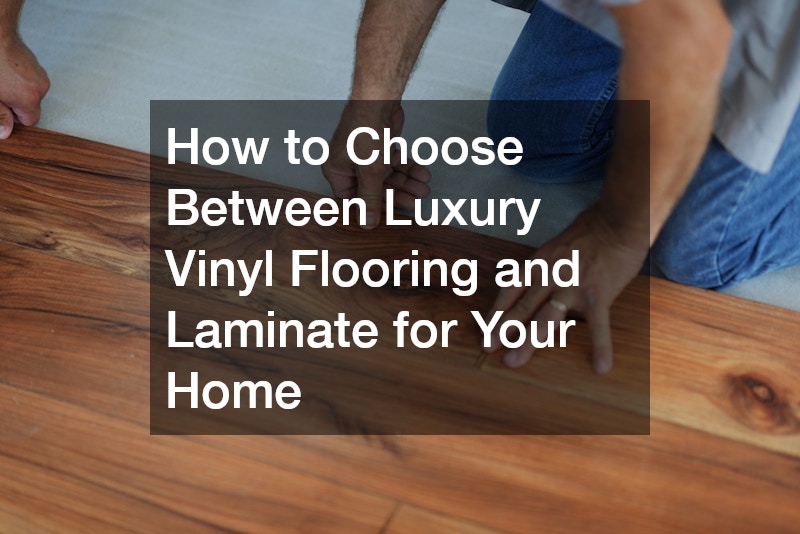
Selecting the right flooring is a vital decision in home renovation, directly impacting room aesthetics, daily functionality, and long-term property value. Both luxury vinyl flooring and laminate have surged in popularity across Omaha, NE, as cost-effective alternatives to natural hardwood and stone. While both materials offer click-lock DIY installation and diverse visual designs, key differences in composition, moisture tolerance, and durability dictate which option best suits specific spaces.
What Is the Difference Between Luxury Vinyl Flooring and Laminate?
-
Composition and Material: Luxury vinyl flooring is constructed from synthetic layers featuring a solid polyvinyl chloride (PVC) core, making it fully waterproof. Laminate flooring consists of a composite high-density fiberboard (HDF) core made from compressed wood fibers, topped with a high-resolution photographic image layer and a clear protective wear finish.
-
Subfloor Requirements and Installation: Both options commonly feature click-lock floating installation methods. However, luxury vinyl is notably more flexible, allowing it to adapt to minor subfloor imperfections during renovations. Laminate requires a completely rigid and level subfloor to prevent seam separation or core damage over time.
-
Visual Appeal: Modern high-definition printing and direct embossing allow luxury vinyl to replicate the realistic texture, warmth, and graining of natural hardwood and stone. Laminate offers an expansive array of colors and patterns, though budget-tier products can occasionally appear flat under direct lighting.
Which Is More Durable: Luxury Vinyl Flooring or Laminate?
-
Resistance to Water and Moisture: Luxury vinyl is completely waterproof, making it the ideal choice for moisture-prone areas like kitchens, bathrooms, laundry rooms, and basements. Laminate features a wood-based core that absorbs water if spills sit for extended periods, leading to edge swelling, warping, and permanent structural buckling.
-
Scratch and Dent Resilience: Luxury vinyl includes a resilient PVC wear layer that absorbs impacts effectively, resisting dents from dropped heavy objects. Laminate utilizes a resin surface layer treated with aluminum oxide, offering exceptional protection against fine surface scratches and pet nails, though heavy impacts can chip its rigid surface.
-
Lifespan and Warranty: High-quality luxury vinyl flooring typically comes with residential warranties of 15 to 25 years due to its waterproof core. Laminate warranties generally range from 10 to 15 years, reflecting its susceptibility to moisture stress and high-traffic wear over time.
Price Differences and Value Considerations
-
Initial Cost Analysis: Laminate is generally more budget-friendly upfront, making it an attractive choice for quick, low-cost room refreshes. Luxury vinyl carries a slightly higher initial purchase price, reflecting its enhanced waterproof engineering and material density.
-
Long-Term Cost Efficiency: Luxury vinyl offers superior long-term cost efficiency because it requires no specialized repairs or replacements following plumbing leaks or standing water spills. While laminate is inexpensive to purchase, repairing water-damaged sections can increase lifetime maintenance expenses.
-
Local Market and Supplier Dynamics: In regional markets like Omaha, NE, engaging with local suppliers allows homeowners to access promotional pricing, seasonal discounts, and bulk contractor rates that narrow the price gap between premium laminate and luxury vinyl.
Style and Design Comparison
-
Variety of Colors and Patterns: Advanced manufacturing allows both materials to offer an extensive array of wood species looks, slate tones, and contemporary gray palettes to complement any interior decor theme.
-
Realism and Surface Texture: Luxury vinyl utilizes registered-embossed texturing, where the surface texture perfectly matches the underlying wood grain image. Laminate surfaces tend to feel smoother and firmer, though modern premium collections continue to close the visual gap.
-
Customization Flexibility: Modular plank sizes, wide-plank options, and stone-look tile formats provide complete design maneuverability, enabling custom patterns and tailored layouts across living spaces.
Pros and Cons Summary
-
Advantages of Luxury Vinyl: 100% waterproof protection, versatile installation over varied subfloors, high impact resistance, and long-term durability across all residential rooms.
-
Advantages of Laminate: Highly affordable initial cost, firm underfoot feel similar to natural wood, and excellent surface scratch resistance in dry living areas.
-
Disadvantages of Both: Laminate remains highly vulnerable to standing water damage and subfloor moisture. Luxury vinyl requires careful surface preparation for thin planks and can expand or contract slightly under extreme temperature fluctuations.
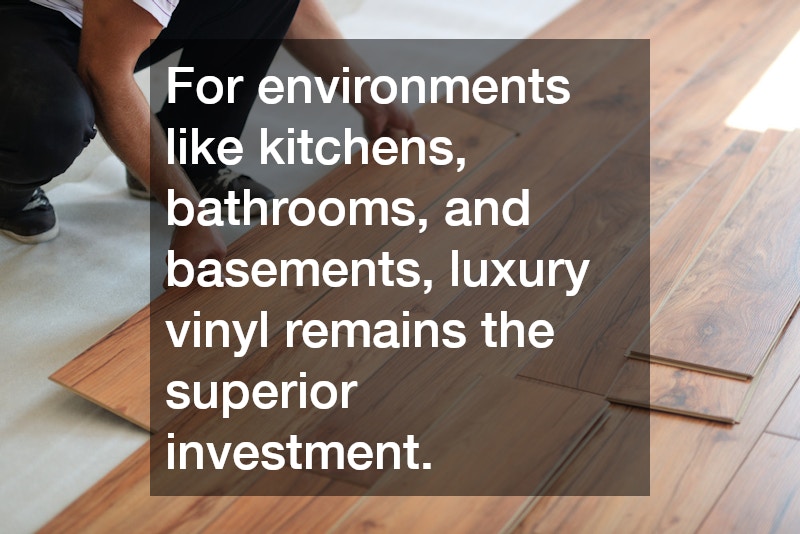
Deciding between luxury vinyl flooring and laminate ultimately depends on room location, exposure to moisture, and long-term lifestyle needs. For moisture-prone environments like kitchens, bathrooms, and basements, luxury vinyl remains the superior investment due to its total waterproof construction. Conversely, laminate serves as an economical, highly scratch-resistant option for dry bedrooms and living areas. Evaluating these material characteristics against your home’s layout ensures a durable, visually appealing flooring selection that delivers lasting value.
 Why Roof Repairs Matter After Severe Weather
  How to Know When You Should Replace Your Gutters
  What You Should Know About Your Home’s HVAC Unit
  Disaster-Proofing Your Investment A Comprehensive Guide to Modern Home Safety
  Why Homeowners Trust Local Pool Companies for Quality Work
  Your All-in-One Guide to Home Renovations, Roofing, HVAC Companies, and Water Damage Restoration
  Seasonal Home Checks That Catch Expensive Problems Early
  How to Choose Between Luxury Vinyl Flooring and Laminate for Your Home
  Important Upgrades for a Safer, More Comfortable Home