The Whole Home Longevity Audit
Homeownership represents one of the most significant financial investments an individual will make during their lifetime. While many buyers spend considerable time selecting interior paint colors, upgrading light fixtures, or choosing furniture, the underlying structural and mechanical systems of a property often remain unmonitored until a major failure occurs. Waiting for a catastrophic breakdown, such as a flooded basement or a failed heating system, is an inefficient and expensive way to manage real estate assets.
A strategic alternative involves executing a comprehensive evaluation known as a whole home longevity audit. This systematic approach shifts the focus from reactive crisis management to structured, proactive preservation. By analyzing core components from the foundation to the roofline, property owners can detect minor anomalies before they transform into major financial liabilities.
A thorough audit examines how various household systems interact with one another, recognizing that a deficiency in one area frequently accelerates wear and tear in another. Understanding these interconnected relationships allows for smarter financial planning, enhanced daily comfort, and the long-term protection of market value. Over time, this disciplined approach transforms home maintenance from a series of unpredictable emergencies into a predictable, manageable strategy that safeguards both physical structures and financial peace of mind.
Optimizing Mechanical Systems and Water Supply Infrastructure

The intricate mechanical systems of a modern residence operate quietly behind the scenes, yet they dictate both daily living conditions and monthly operational expenses. Water quality serves as a primary variable in this equation, directly influencing the lifespan of plumbing networks and downstream appliances. High concentrations of dissolved minerals, such as calcium and magnesium, cause severe scaling inside pipes, water heaters, and high-end plumbing fixtures.
To mitigate this progressive degradation, many modern properties rely on specialized filtration systems and water softeners to neutralize harsh mineral content before it enters the domestic supply lines. When water remains untreated, hard mineral deposits accumulate rapidly inside internal heating elements and valves, constricting water flow and forcing major household infrastructure to work twice as hard to achieve standard performance.
This systemic strain frequently culminates in premature component breakdowns, leaving individuals in urgent need of professional appliance repair to restore functionality to failing laundry units, dishwashers, or refrigeration systems. Instead of treating these breakdowns as isolated, random incidents, a comprehensive home audit views them as clear indicators of broader environmental conditions within the home.
Regular maintenance of major appliances, combined with routine checks on water treatment hardware, prevents a costly domino effect through the plumbing infrastructure. Homeowners who track the efficiency of these mechanical components can avoid sudden, emergency service calls during peak seasons. Keeping clear records of service dates and system performance enables residents to predict replacement cycles accurately rather than being caught off guard by a sudden system failure.
Reinforcing Thermal Insulation and Biological Barriers
Beyond the mechanical systems, the physical boundary separating the interior living space from the outdoor elements requires constant monitoring. The attic space and wall cavities form a critical thermal barrier that regulates indoor temperatures and governs energy consumption throughout the seasons. Over time, traditional protective materials can settle, degrade, or suffer damage from shifting air currents, leading to hidden drafts and fluctuating utility bills.
Engaging a qualified insulation company to assess the current thermal resistance values can expose hidden deficiencies that drain heated or cooled air from the living zones. A well-insulated structure reduces the workload on heating and cooling systems, thereby extending their operational lifespans significantly and lowering monthly overhead. However, a thermal envelope is only as secure as its resistance to external biological threats.
Gaps in the exterior cladding, unsealed soffits, or degraded barrier materials often serve as open invitations for local wildlife, insects, and rodents seeking shelter from the elements. Implementing a program for pest control is a foundational element of structural preservation, as uninvited pests can destroy building materials, chew through critical electrical wiring, and ruin newly installed insulation layers within a matter of weeks.
A comprehensive property audit carefully examines potential entry points along the foundation, windows, and roof lines to intercept these hazards early. By coordinating thermal updates with active pest exclusion strategies, property owners create a highly resilient barrier that keeps the interior environment stable, clean, and safe from structural compromise over decades of continuous use. This defensive strategy minimizes the risk of hidden structural decay, protecting the physical framework of the building from expensive infestations.
Preserving Interior Finishes and High-Traffic Living Areas
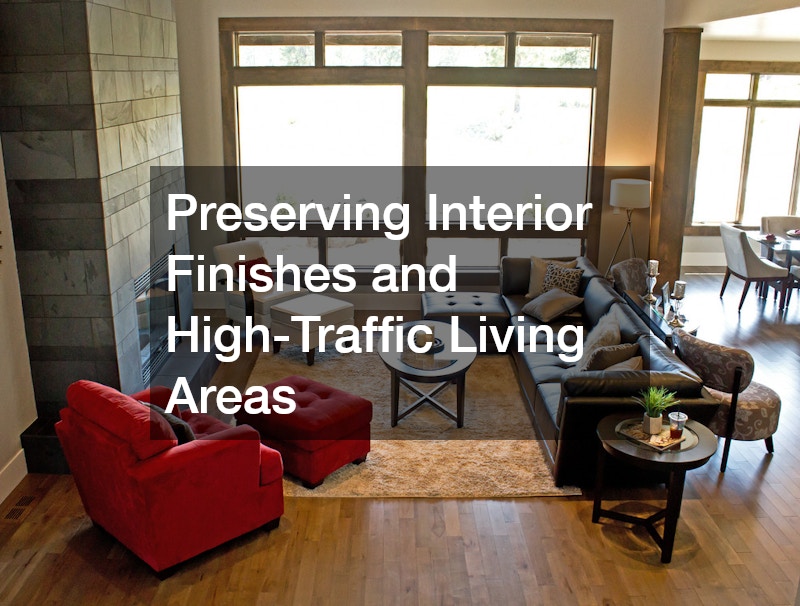
Inside the living quarters, everyday activity subjects surface materials to continuous friction and wear, requiring targeted preservation efforts to retain their original luster and market value. Modern kitchens frequently highlight premium stone surfaces, where a granite counter top serves as both a heavy-duty functional workspace and a major aesthetic focal point of the home.
Although natural stone is exceptionally durable, it remains susceptible to etching, staining, and micro-cracking if the protective chemical sealant wears thin over years of meal preparation. A proper longevity audit includes assessing the porosity of these stone installations, ensuring that liquid spills cannot penetrate the surface and cause deep, permanent discoloration that requires diamond polishing to fix. Simultaneously, the fabrics and textiles throughout the home require equal attention to maintain indoor air quality and visual appeal.
Built-up dust, skin oils, pet dander, and ambient moisture can deeply penetrate seating materials, causing delicate fabric fibers to break down prematurely and harbor airborne allergens. Scheduling a professional upholstery cleaning service removes these deeply embedded contaminants, revitalizing the texture of premium furniture items and preventing the need for expensive reupholstery or total replacement.
Managing these subtle interior details preserves the aesthetic integrity of the home while supporting a healthier indoor environment for the occupants. By establishing a routine schedule for sealing stone surfaces and deep-cleaning fabrics, residents protect their interior investments from the daily friction of family life. This meticulous care ensures that high-traffic areas remain pristine and inviting while holding their financial value over time.
Managing Moisture and Safety in Wet Areas
Bathrooms represent some of the most challenging environments within a residential property due to the constant presence of high humidity, steam, and direct water contact. Without adequate ventilation and proper material choices, these spaces can quickly become breeding grounds for mold, mildew, and structural rot. Modern bathroom designs frequently feature large, frameless glass enclosures that require specific mechanical upkeep to remain functional and safe.
Ensuring that a heavy shower glass door hangs perfectly level and retains its structural seals prevents water from escaping onto surrounding drywall or subflooring during daily use. Even minor leaks around the perimeter of a glass enclosure can slowly rot the adjacent subfloor materials, leading to catastrophic structural failures beneath the tile work that are costly to remediate.
Additionally, the accumulation of hard water spots and soap scum can permanently etch the glass surface if left unaddressed, ruining a premium architectural feature and reducing the home’s visual appeal. A detailed audit in this zone looks closely at grout lines, silicone caulking, and the mechanical alignment of all doors and hinges.
By catching minor alignment issues early, individuals avoid the costly replacement of large glass panels and the extensive remediation required for hidden water damage behind the walls. Keeping these wet areas tightly sealed and well-maintained preserves the underlying framework of the home and maintains a high level of daily hygiene, which protects both the inhabitants and the physical property from the degrading effects of trapped moisture.
Maintaining Perimeter Boundaries and External Flora
Moving beyond the interior walls, the external perimeter of a property requires the same structured oversight to ensure security, privacy, and protection from external forces. The boundary lines of a yard are often defined by vertical structures that face constant exposure to shifting soils, wind loads, and ground moisture. Property owners must routinely evaluate these structures, noting that a reliable fence service can identify early signs of wood rot, rusted metal posts, or leaning panels before a severe storm causes total failure.
A secure perimeter fence protects the property from trespassing, contains pets safely, and establishes a clear delineation of ownership lines. Adjacent to these boundaries, the living landscape plays a major role in how water interacts with the home’s foundation. Trees with invasive root systems or overgrown branches can threaten underground utility lines and roof structures if left unmanaged.
Working with an experienced landscape contractor allows property owners to develop a long-term vegetation plan that enhances privacy while removing significant risks to the home’s primary structure. This involves the strategic pruning of mature trees, the correct placement of new plantings, and the optimization of turf areas to prevent soil erosion during heavy downpours. By harmonizing boundary structures with managed vegetation, the exterior of the property becomes a resilient first line of defense against environmental stressors, ensuring long-term peace of mind and preserving the home’s exterior appeal.
Structural Ground Management and Grading Solutions
The final component of a comprehensive property audit focuses on the solid ground surrounding the house, where hard surfaces direct the flow of rainwater and snowmelt. Improper grading or cracked walkways can channel water directly toward the foundation, causing basement flooding, soil shifting, and severe structural cracking over time. Engaging a professional hardscaping company to evaluate patios, retaining walls, and driveways ensures that these heavy stone elements slope away from the home rather than toward it.
Well-designed retaining walls hold back tons of soil, preventing landslides and maintaining the flat elevation of outdoor living zones. Furthermore, regular inspection of interlocking pavers and concrete pathways prevents tripping hazards and stops weed growth from breaking apart expensive installations. This level of ground management ensures that the investment made in outdoor spaces remains intact and functional for decades, protecting the foundational stability of the entire residence.
Additionally, proper ground management prevents water from pooling in low spots, which can degrade outdoor features and lead to soil saturation near the home’s foundation. Over time, unmanaged runoff can erode landscaping and cause stone features to shift or sink unevenly. By addressing these ground-level vulnerabilities during a property audit, homeowners can implement permanent drainage improvements that preserve both the structural integrity of the main dwelling and the long-term utility of the surrounding outdoor living spaces.
Developing a Prioritized Maintenance Timeline
Once the initial inspections are complete, the wealth of data gathered during a whole home longevity audit must be organized into an actionable plan. Homeowners often make the mistake of attempting to fix every minor deficiency simultaneously, which can lead to financial strain and project fatigue. A more effective strategy involves categorizing findings into immediate, intermediate, and long-term priorities to manage resources effectively.
Immediate priorities include anything that threatens structural integrity, compromises safety, or represents an active leak, such as a failing roof or a broken water main. These critical issues demand immediate intervention to halt active deterioration and prevent compounding damages that grow more expensive by the day. Intermediate tasks focus on efficiency upgrades and preventative measures that halt progressive wear, such as updating insulation, sealing stone counters, or clearing invasive root systems.
Long-term projects involve cosmetic enhancements and lifestyle upgrades that can be budgeted for over several years. By establishing a clear hierarchy of needs, property owners can allocate their maintenance capital with high precision, ensuring that urgent vulnerabilities are addressed first while building a sustainable timeline for future property improvements. This disciplined approach eliminates guesswork, allowing residents to maintain their properties systematically without overwhelming their monthly finances or disrupting their daily schedules.
The Holistic Approach to Sustainable Property Management
Conducting a whole home longevity audit represents a fundamental shift in how a property is managed over time. Moving away from a reactive mindset allows homeowners to anticipate mechanical and structural needs, neutralizing threats before they manifest as costly emergencies. Whether it is protecting the interior finishes from daily wear or ensuring the exterior grounds properly divert seasonal rainfall, every proactive measure contributes to the collective resilience of the structure.
Regular assessments foster a deeper understanding of the property’s unique physical characteristics and operational needs, empowering owners to make informed decisions regarding vendor selection and material upgrades. This ongoing stewardship not only preserves the aesthetic beauty of the home but also enhances its energy efficiency and environmental safety. When every system is monitored and maintained in harmony, the risk of sudden depreciation drops significantly, while the overall quality of daily life within the home rises.
Ultimately, consistent and methodical property preservation safeguards a family’s primary financial asset while fostering a safe, efficient, and comfortable living environment for decades to come. By investing time and attention into understanding the property today, homeowners secure the value, safety, and longevity of their living spaces for all the years that follow.
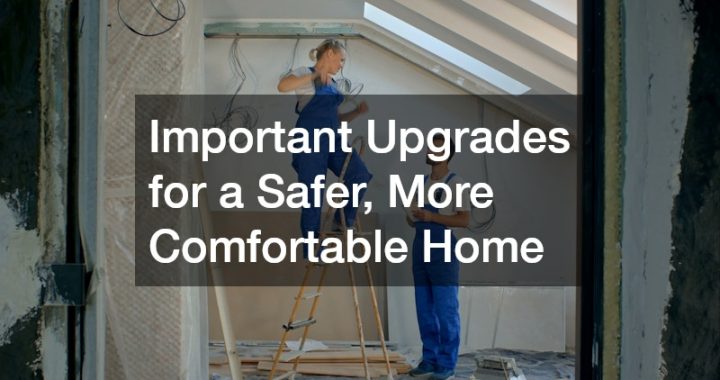 Important Upgrades for a Safer, More Comfortable Home
  The Ultimate Guide to Home Renovation Planning
  Sequencing Major Upgrades Across Your Property’s Infrastructure
  Seasonal Home Checks That Catch Expensive Problems Early
 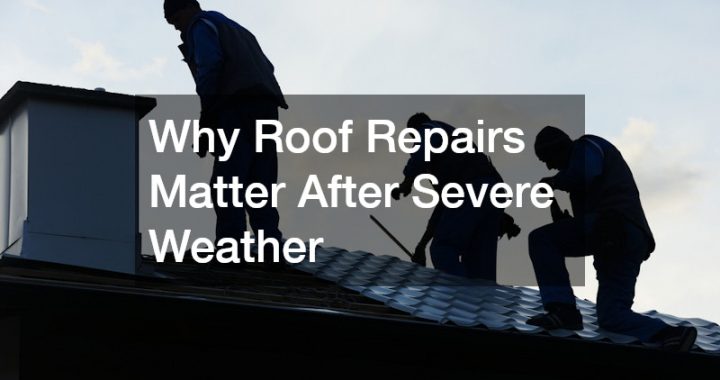 Why Roof Repairs Matter After Severe Weather
  How to Choose Between Luxury Vinyl Flooring and Laminate for Your Home