Important Upgrades for a Safer, More Comfortable Home
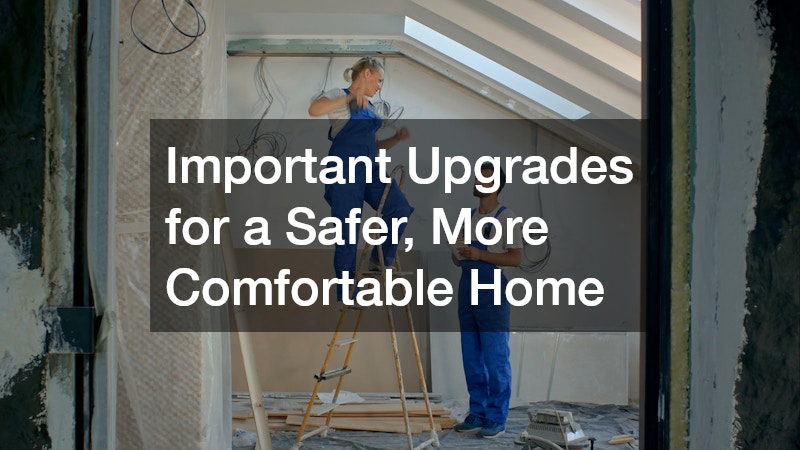
A comfortable home should do more than look attractive. It should provide a safe environment where residents can move around easily, stay protected from the elements, and rely on essential systems year-round. Over time, however, normal wear and changing household needs can create hazards that are easy to overlook. Small cracks, aging materials, poor drainage, outdated systems, and inadequate maintenance can eventually become expensive problems.
The good news is that homeowners do not have to renovate everything at once. A thoughtful improvement plan can address the most important safety concerns while gradually making the property more functional and enjoyable. By evaluating the kitchen, outdoor spaces, flooring, driveway, utilities, drainage, and major mechanical systems, homeowners can make improvements that provide lasting benefits.
Improve Kitchen Surfaces for Safety and Functionality

The kitchen is one of the most frequently used areas of a home, which makes its condition especially important. Damaged work surfaces, poorly supported countertops, sharp edges, and inadequate preparation space can create unnecessary risks during everyday activities.
When replacing or upgrading countertops, homeowners should consider more than appearance. The material should be appropriate for the amount of cooking, cleaning, and moisture exposure the kitchen receives. Heat resistance, stain resistance, durability, and ease of maintenance are all important considerations.
Working with experienced countertop contractors can also help ensure that heavy surfaces are properly measured, supported, and installed. Improper installation can result in unstable surfaces, uneven seams, or damage to surrounding cabinetry.
Before selecting materials, homeowners should consider:
- How frequently the kitchen is used
- Whether the household regularly prepares hot foods
- How much maintenance does the material require
- Whether the surface needs additional support
- How well the material complements existing cabinets and flooring
- Whether edges and corners need to be modified for safety
Homeowners should also inspect existing surfaces periodically. Cracks, loose sections, deteriorating seams, or water damage around sinks should be addressed before they become larger problems.
Create Safer Outdoor Living and Entertaining Areas
Outdoor living spaces can significantly increase usable living space, but they also require regular attention. Decks are exposed to rain, sunlight, temperature changes, and moisture, all of which can gradually weaken materials.
A deck inspection should include more than looking at the boards. Homeowners should check the structure underneath, connection points, stairs, railings, and areas where water tends to collect. A board that appears slightly worn may indicate more significant deterioration beneath the surface.
Professional deck builders can evaluate existing structures and determine whether repairs, reinforcement, or replacement makes the most sense. This is particularly important when a deck has become unstable or shows signs of structural deterioration.
Homeowners should regularly check for:
- Loose or damaged boards
- Soft or rotting wood
- Wobbly railings
- Loose stairs or steps
- Rusted or deteriorating hardware
- Water is collecting around structural supports
- Cracks or movement in connection points
Lighting is another worthwhile safety improvement. Well-positioned lights around stairs, entrances, and walkways can make outdoor spaces easier to navigate after dark. Slip-resistant surfaces and secure railings can further reduce the possibility of falls.
Choose Flooring That Supports Everyday Safety

Flooring affects both the appearance and functionality of a home. However, homeowners should consider safety and durability alongside style when choosing new materials. Different rooms experience different levels of traffic, moisture, and wear, so the same flooring solution may not be ideal throughout the entire property.
Bathrooms and entryways, for example, benefit from materials that can handle moisture while providing sufficient traction. High-traffic hallways and living areas need surfaces that can withstand repeated use without quickly becoming damaged.
Professional flooring services can help homeowners select appropriate materials and ensure proper installation. A correctly installed floor should have secure transitions, even surfaces, and minimal movement.
Homeowners should pay particular attention to potential trip hazards, including:
- Raised or damaged flooring
- Loose boards or tiles
- Uneven transitions between rooms
- Damaged thresholds
- Curling edges
- Loose rugs without appropriate backing
Furniture placement can also affect flooring safety. Heavy furniture should be positioned securely without creating narrow pathways that make movement difficult. In households with children or older adults, reducing clutter and maintaining clear walking routes can make an even greater difference.
Make Driveways Safer for Vehicles and Pedestrians
The driveway is often one of the first areas visitors encounter, but it also plays an important role in everyday safety. Cracks, potholes, uneven sections, and poor drainage can create problems for vehicles and pedestrians alike.
An asphalt driveway can provide a durable, practical surface when it is properly installed and maintained. However, even durable paving materials require attention over time. Water infiltration, freezing and thawing, heavy vehicles, and general weather exposure can gradually cause deterioration.
Homeowners should inspect driveways periodically for:
- Large or expanding cracks
- Potholes
- Uneven sections
- Standing water
- Crumbling edges
- Drainage problems
- Areas where the surface has begun to sink
Addressing minor damage early can prevent moisture from penetrating deeper into the surface. Keeping the driveway clean and ensuring that water can drain properly can also extend its useful life.
Reduce Outdoor Hazards Through Better Property Maintenance
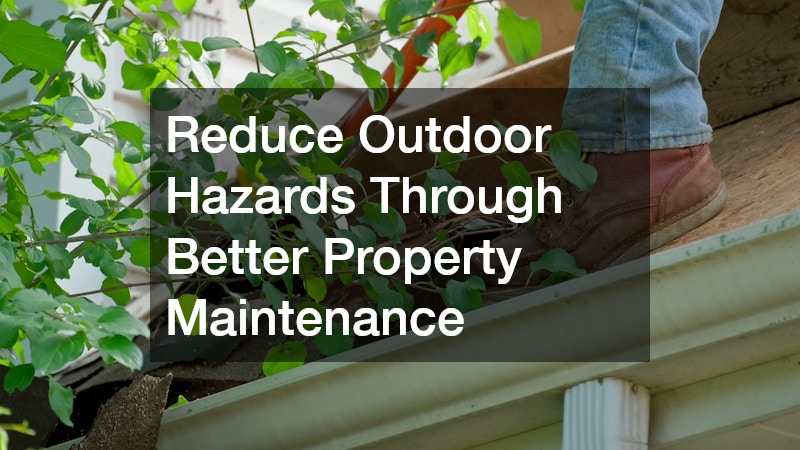
A home’s outdoor areas can develop safety problems simply because vegetation and weather conditions change throughout the year. Overgrown plants can block walkways, conceal uneven ground, interfere with drainage, or reduce visibility near entrances.
Consistent lawn care helps keep outdoor spaces manageable while supporting better drainage and accessibility. Grass, plants, trees, and surrounding soil should be evaluated as part of the property’s overall maintenance plan rather than treated as separate concerns.
A seasonal inspection can help homeowners identify issues before they become serious. Look for:
- Overgrown vegetation near pathways
- Low areas where water collects
- Exposed roots
- Damaged branches
- Eroded soil
- Blocked walkways
- Poor visibility around entrances
- Pest activity
Tree branches that extend over roofs, decks, driveways, or power lines may also require attention. After severe weather, homeowners should inspect the property for fallen branches, erosion, damaged surfaces, and other hazards.
Improving drainage is especially important. Water that consistently pools near a foundation or walkway can contribute to erosion and structural concerns while also creating slippery conditions.
Restore Aging Areas Before Small Problems Become Major Repairs
Older homes often have character and construction features that homeowners want to preserve. At the same time, aging materials can eventually require professional attention. Ignoring deterioration can allow small issues to develop into more extensive damage.
Home restorations can address problems such as deteriorating exterior materials, water damage, damaged architectural features, and aging structural components. Restoration is not simply about making an older property look better. It can also help preserve useful materials and improve the property’s overall performance.
Homeowners should watch for warning signs such as:
- Persistent moisture or staining
- Rotting materials
- Cracks that continue to expand
- Damaged exterior surfaces
- Deteriorating trim
- Sagging or uneven areas
- Repeated repairs to the same component
When several problems appear in the same area, it is often useful to determine the underlying cause rather than repeatedly repairing the visible damage. For example, recurring moisture damage may indicate a drainage or roof runoff problem that needs to be corrected first.
A professional assessment can help homeowners prioritize work according to urgency. Safety-related and structural problems should generally be addressed before cosmetic improvements.
Maintain Reliable Heating and Cooling Systems’
Temperature control is central to household comfort, but heating and cooling systems also need routine maintenance to operate safely and efficiently. An aging or poorly maintained system may struggle to maintain consistent temperatures and may consume more energy than necessary.
Professional HVAC services can help identify issues before they become major failures. Routine inspections may include evaluating system performance, checking components, inspecting ductwork, and identifying problems that could affect efficiency.
Homeowners should pay attention to warning signs such as:
- Uneven temperatures between rooms
- Unusual sounds
- Weak airflow
- Persistent odors
- Excessive humidity
- Frequent cycling
- Unexpected increases in energy costs
Simple maintenance matters, too. Filters should be replaced according to the manufacturer’s recommendations, and vents should remain unobstructed. Furniture, curtains, or stored items should not block supply or return vents.
Seasonal maintenance is particularly valuable. Having heating equipment checked before the coldest part of the year and cooling equipment evaluated before peak summer demand can reduce the likelihood of an inconvenient breakdown.
Prevent Water Damage With Better Drainage
Water management is one of the most important aspects of protecting a home. Rainwater that is not properly directed away from the property can contribute to soil erosion, foundation problems, basement moisture, damaged landscaping, and deterioration around exterior walls.
Proper gutter installation can help control roof runoff by collecting rainwater and directing it toward appropriate discharge points. However, gutters need to work as part of a complete drainage system. Downspouts should move water far enough away from vulnerable areas rather than releasing it directly beside the foundation.
Homeowners should inspect gutters regularly for:
- Sagging sections
- Clogged channels
- Loose fasteners
- Damaged seams
- Detached downspouts
- Overflow during rain
- Water is pooling near the foundation
Gutters should also be cleaned periodically, particularly when trees surrounding the property drop large amounts of leaves. Even a properly installed system can perform poorly when debris prevents water from flowing freely.
After a heavy storm, homeowners can learn a great deal by observing how water moves across the property. Persistent pooling or overflowing gutters may indicate that improvements to the drainage system are necessary.
Address Plumbing Problems Before They Cause Damage
Plumbing problems can begin with symptoms that seem relatively minor. A slow drain, dripping faucet, or small area of moisture may not appear urgent, but these issues can sometimes indicate larger problems within the system.
Homeowners should regularly check areas beneath sinks, around toilets, near appliances, and around water heaters. Unexplained moisture, staining, musty odors, or changes in water pressure deserve attention.
A qualified plumber can diagnose problems that may not be immediately visible and determine whether a component needs repair or replacement.
Common warning signs include:
- Persistent dripping
- Slow or frequently clogged drains
- Low water pressure
- Discolored water
- Unusual plumbing noises
- Water stains
- Damp cabinets
- Unexplained increases in water usage
Homeowners should also know where the main water shutoff is located. If a pipe suddenly breaks or a major leak occurs, shutting off the water quickly can significantly reduce damage.
Avoiding unnecessary DIY plumbing work can also prevent additional problems. While replacing a simple fixture may be manageable for some homeowners, concealed leaks, major pipe problems, and water heater issues often require professional evaluation.
Upgrade Electrical Systems for Modern Household Needs
Today’s homes depend on more electrical equipment than ever. Computers, kitchen appliances, entertainment systems, charging devices, smart-home equipment, and heating or cooling systems can place significant demands on electrical infrastructure.
Older electrical systems may not have been designed for modern household requirements. Warning signs should never be ignored, especially when they involve heat, burning odors, sparks, or repeated breaker trips.
Qualified electricians can evaluate electrical systems and determine whether upgrades are needed. Depending on the property’s condition, improvements might include additional outlets, updated lighting, improved outdoor electrical connections, or other safety-related modifications.
Homeowners should watch for:
- Frequently tripped breakers
- Flickering or dimming lights
- Warm outlets or switches
- Buzzing sounds
- Burning odors
- Sparks from outlets
- Damaged electrical cords
- Excessive use of extension cords
Electrical work requires particular caution because mistakes can create fire and shock hazards. Homeowners should avoid opening electrical panels or making unfamiliar wiring modifications simply to save money.
Improving lighting can also make a home safer. Bright, appropriately positioned lighting in stairways, hallways, garages, entrances, and outdoor areas can improve visibility and reduce the likelihood of accidents.
Prioritize Upgrades Based on Risk and Long-Term Value
Homeowners rarely have unlimited time and money for improvements, so prioritization is essential. Instead of choosing projects solely based on appearance, consider the potential consequences of delaying each improvement.
A practical priority system is:
- Address immediate safety hazards.
- Stop active water or structural damage.
- Repair essential utility problems.
- Complete preventive maintenance.
- Improve comfort and efficiency.
- Pursue cosmetic improvements.
This approach helps prevent homeowners from spending their entire renovation budget on visible improvements while overlooking hidden problems.
Property age, local weather, household size, and future plans should also influence decisions. A growing family may prioritize additional functional space, while someone preparing to remain in the home long-term may focus on accessibility and durability.
Breaking large projects into phases can make improvements more manageable. Homeowners can address urgent repairs first, establish a maintenance schedule, and then gradually complete upgrades that improve comfort and appearance.
Build a Preventive Maintenance Plan for Every Season
Regular maintenance is one of the simplest ways to protect a home investment. A seasonal checklist can help homeowners remember tasks that might otherwise be overlooked.
Spring
- Inspect exterior surfaces after winter.
- Check drainage and areas prone to standing water.
- Examine outdoor structures.
- Look for damaged landscaping.
- Inspect plumbing for leaks.
Summer
- Monitor cooling performance.
- Check outdoor living areas.
- Watch for driveway deterioration.
- Maintain landscaping and clear pathways.
- Inspect exterior areas for weather damage.
Fall
- Prepare heating equipment for colder temperatures.
- Clean and inspect drainage systems.
- Remove leaves from vulnerable areas.
- Check exterior surfaces for deterioration.
- Address small repairs before winter weather arrives.
Winter
- Monitor heating performance.
- Protect vulnerable plumbing from freezing temperatures.
- Watch for ice-related hazards.
- Check indoor moisture levels.
- Keep entrances and walkways safe.
Keeping a simple record of inspections and repairs can make long-term maintenance easier. Homeowners can note when equipment was serviced, when materials were replaced, and which areas may need attention in the future.
A safer, more comfortable home is not necessarily the result of one major renovation. It comes from making smart improvements across the property and addressing problems before they become expensive or hazardous. From interior surfaces and outdoor spaces to drainage, utilities, and mechanical systems, every part of a home contributes to its overall performance.
Homeowners can get the greatest value from their improvement budgets by prioritizing safety and preventive maintenance first, followed by comfort, efficiency, and cosmetic enhancements. Regular inspections and professional assistance for complex projects can help ensure that improvements are durable, functional, and appropriate for the property.
 The Ultimate Guide to Home Renovation Planning
  Sequencing Major Upgrades Across Your Property’s Infrastructure
  The Whole Home Longevity Audit
  Why Roof Repairs Matter After Severe Weather
  How to Choose Between Luxury Vinyl Flooring and Laminate for Your Home
  Important Upgrades for a Safer, More Comfortable Home