Balancing DIY Projects With Professional Help

There’s a certain satisfaction that comes from standing back and admiring something you built with your own hands. Whether it’s a freshly painted room, a new deck railing, or a reimagined laundry space, DIY projects can feel empowering. They promise savings, creativity, and control.
But there’s another side to home improvement that doesn’t always show up in social media tutorials: hidden structural issues, code requirements, long-term performance, and the risk of expensive mistakes. The truth is that most successful renovations aren’t purely DIY or purely contractor-driven. They’re a thoughtful mix of both.
Balancing hands-on work with professional expertise isn’t about ego or fear—it’s about strategy. When you understand where your skills shine and where expert help protects your home, you make better decisions that safeguard your investment and reduce stress.
What follows is a practical guide to finding that balance.
Start With a Realistic Skill and Risk Assessment

Before you buy materials or watch a single tutorial, pause and evaluate your actual experience level. Not your optimism. Not your weekend ambition. Your true skill set.
Ask yourself:
- Have I successfully completed similar projects before?
- Do I understand the building codes that may apply?
- Am I comfortable troubleshooting unexpected complications?
- What happens if I make a mistake?
There’s a huge difference between installing shelving and handling mechanical or structural systems. For example, maintaining your heating and cooling equipment might seem manageable after watching a few online videos, but full-scale HVAC Service often involves refrigerant handling, electrical components, and airflow calibration. Mistakes can reduce efficiency, raise utility bills, or even create safety hazards.
Similarly, tackling a residential roof replacement might appear straightforward when viewed from a ladder. In reality, roofing involves underlayment installation, ventilation balancing, flashing details, and weight distribution. A minor error can lead to slow leaks that go unnoticed for months—until drywall begins to stain or insulation saturates.
The key is understanding risk tiers:
- Cosmetic changes (paint, trim, hardware) typically carry low risk.
- Moderate complexity projects (flooring, cabinet installation) require precision but are manageable with preparation.
- High-risk systems (electrical panels, structural framing, roofing, mechanical systems) demand deeper expertise.
If the worst-case scenario of a project involves injury, code violations, or thousands in water damage, that’s your cue to involve a professional. Confidence is valuable. Overconfidence is expensive.
Define Your Renovation Goals Before Picking Up a Tool
One of the biggest mistakes homeowners make is starting with tasks instead of goals.
You might say, ”I want to redo the bathroom.” But why?
Is it outdated? Inefficient? Hurting resale value? Lacking storage?
Without clarity, DIY projects tend to expand midstream. You replace a vanity, then notice poor lighting. Then you decide the layout doesn’t work. Suddenly, you’re dealing with plumbing moves and structural questions that should have been addressed from the start.
Professionals often begin with a vision conversation. A custom home builder, for instance, doesn’t start framing walls before understanding how you live in a space. They consider traffic flow, long-term maintenance, and energy performance before construction begins.
The same principle applies to smaller renovations. Even when you plan to do some of the labor yourself, consulting a bathroom remodeling contractor for layout advice can prevent costly missteps. A one-hour design review may reveal that moving a fixture six inches saves you thousands in plumbing adjustments.
Before you start:
- Write a one-sentence purpose for the renovation.
- Identify whether the primary goal is comfort, efficiency, aesthetics, or resale.
- Decide which parts require professional precision.
Clarity at the beginning reduces rework later—and protects your budget from emotional, impulse-driven changes.
Budgeting Smart: Where DIY Saves Money and Where It Does Not
DIY often starts with a simple calculation: ”If I don’t pay labor, I save money.”
That’s partially true—but incomplete.
True project cost includes:
- Tools you may never use again
- Material waste from errors
- Disposal fees
- Time off work
- The cost of correcting mistakes
Imagine demolishing a kitchen and underestimating debris removal. Renting a roll off dumpster rental container suddenly becomes necessary. That’s an added expense many homeowners forget to factor in.
Or consider a plumbing mishap that leads to a slow leak behind drywall. By the time you notice it, mold remediation and a water restoration service may be required. What began as a cost-saving DIY weekend turns into a five-figure repair.
That doesn’t mean DIY isn’t worthwhile. It simply means budgeting must be realistic.
A balanced approach looks like this:
- DIY demolition and painting.
- Hire licensed professionals for plumbing tie-ins and electrical connections.
- Handle finishing details once inspections pass.
This hybrid model reduces labor costs while minimizing risk. When calculating savings, assign a dollar value to your time. If a professional can complete in two days what might take you three weekends, that efficiency has value too.
Separate Cosmetic Updates From Technical Upgrades

Not all home projects are created equal. A helpful way to decide what to DIY is by separating cosmetic improvements from technical systems.
Cosmetic updates include:
- Painting walls
- Replacing cabinet hardware
- Installing simple shelving
- Updating light fixtures (when wiring already exists)
These upgrades generally improve aesthetics without altering structural or mechanical systems.
Technical upgrades, on the other hand, involve performance and safety. For example, pool resurfacing isn’t just about appearance. Surface preparation, bonding agents, curing time, and water chemistry all affect longevity. Improper application can lead to cracking or peeling within a few seasons.
The same goes for complex HVAC Service work. Adjusting ductwork or recalibrating airflow without proper tools can increase energy consumption rather than reduce it.
A helpful rule: if a project affects water, electricity, load-bearing structures, or pressurized systems, think carefully before taking full control.
You might handle painting and trim around a project while leaving technical installation to certified professionals. That division keeps you involved without compromising performance.
Plan Outdoor Improvements With Long-Term Durability in Mind
Outdoor projects are particularly tempting for DIYers. Fresh air, visible progress, and seemingly straightforward materials make them attractive weekend goals.
But exterior work lives in a harsher environment than interior projects. Moisture, expansion, UV exposure, and wind all test installation quality.
Take a vinyl fence. While panel systems are marketed as simple to install, improper post depth or spacing can lead to leaning sections after one winter freeze. Soil conditions matter. So does drainage.
Or consider replacing patio doors. These openings must be precisely flashed and sealed. Even a small gap can allow moisture infiltration, which may not become visible until drywall damage appears months later.
Before committing to DIY exterior work, consider:
- Local climate conditions
- Soil stability
- Drainage slopes
- Manufacturer warranty requirements
You can often split responsibilities: hire professionals to set structural anchors and weatherproofing, then complete cosmetic trim or finishing yourself.
Outdoor projects reward careful planning more than enthusiasm.
Create a Phased Renovation Strategy to Avoid Overwhelm
Large renovations often spiral because homeowners try to tackle everything at once.
A phased strategy reduces stress and financial strain.
Phase 1: Structural Integrity
Address foundational elements first. If your home needs a residential roof replacement, prioritize that before investing in interior upgrades. Protecting the structure prevents future damage. This phase may also include foundation repairs, correcting drainage issues, or reinforcing framing. It’s not the glamorous part of renovation, but it’s the layer that protects everything else. Skipping ahead to cosmetic upgrades while underlying issues remain unresolved often leads to tearing out new work later—an expensive and frustrating setback.
Phase 2: Systems and Layout
If you’re remodeling a bathroom, consult a bathroom remodeling contractor early to ensure plumbing alignment and ventilation are correct. Even if you plan to install tile yourself, proper rough-in work sets the stage for success. This is also the time to evaluate electrical loads, insulation improvements, and airflow. Making layout adjustments on paper is far cheaper than relocating pipes or wiring after walls are closed. A clear systems plan ensures your DIY contributions enhance, rather than compromise, performance.
Phase 3: Finishes
Paint, hardware, décor, and trim come last. These are ideal DIY tasks once inspections pass and systems function properly. Because finishes are visible and tactile, many homeowners rush toward them—but patience here pays off.
Spacing projects over time also improves decision-making. Living with a layout for a few weeks can reveal adjustments you hadn’t considered. You may discover that a doorway swing feels awkward or that storage placement needs refinement.
Phased renovations protect cash flow, reduce overwhelm, and create natural checkpoints for professional input. They also give you breathing room—time to evaluate progress, reassess priorities, and maintain momentum without burnout.
Use Professionals as Consultants, Not Just Contractors

Hiring a professional doesn’t always mean handing over full control.
Sometimes, the smartest investment is consultation.
For example, meeting with a custom home builder for an hour-long planning session can clarify structural possibilities before you knock down walls. Their experience helps you anticipate hidden framing or load-bearing concerns.
Even something as simple as visiting a benjmain moore store for expert paint guidance can dramatically improve results. Staff can recommend finishes based on lighting conditions, traffic levels, and surface type—insights that go beyond color choice.
Consider hiring professionals for:
- Design validation
- Permit guidance
- Structural review
- Final inspections before closing walls
Think of them as advisors rather than replacements for your effort. Strategic consultation protects your vision while preserving hands-on involvement.
Know the Red Flags That Signal Stop and Call a Pro
Sometimes the decision is clear. Other times, warning signs appear mid-project.
Red flags include:
- Persistent moisture smells
- Visible mold or dark framing
- Unexpected electrical wiring behind walls
- Structural sagging
- Cracks expanding beyond the surface level
If you uncover hidden water damage during demolition, calling a water restoration service immediately can prevent structural rot and indoor air issues.
Similarly, discovering deep cracks in a pool shell during resurfacing preparation may indicate the need for professional pool resurfacing expertise beyond cosmetic patching.
The key is humility. Stopping doesn’t mean failure—it means you value your home’s integrity.
A short delay to consult a professional is almost always cheaper than pushing forward blindly.
Protect Your Investment With Documentation and Warranties
Home improvement isn’t just about appearance—it’s about long-term value.
Keep detailed records of:
- Receipts
- Manufacturer warranties
- Permit approvals
- Contractor invoices
- Before-and-after photos
If you install patio doors, retain documentation showing proper flashing and model information. Future buyers appreciate proof of quality work.
Likewise, when adding a vinyl fence, documenting post depth and material specifications supports durability claims during resale.
Professional invoices carry weight with appraisers and buyers. Even if you complete much of the work yourself, consider hiring licensed professionals for critical components that require certification.
Documentation transforms your effort into measurable equity.
Build a Trusted Team Before You Need One

Emergencies rarely arrive at convenient times.
The middle of a summer heat wave is not the moment to begin researching HVAC Service providers. Nor is the aftermath of a demolition mishap the best time to scramble for a roll off dumpster rental.
Build your network early.
Ask neighbors for recommendations. Read reviews. Verify licenses and insurance. Have contact information saved before problems arise.
It also helps to request estimates in advance for common repairs so you understand typical pricing and response times. When expectations are clear, you can act quickly without second-guessing your choices or overpaying under pressure.
Consider keeping:
- A short list of preferred contractors
- Notes on past service experiences
A trusted team reduces panic decisions and rushed hiring. It also fosters long-term relationships, which often lead to better scheduling flexibility and pricing.
Even if you prefer to DIY most projects, knowing who to call creates peace of mind.
Finding Balance Means Protecting Your Home and Your Confidence
DIY projects can be empowering, creative, and cost-effective. Professional help can be precise, protective, and efficient. The most successful homeowners understand that these two approaches are not opposites—they are partners.
When you assess risk honestly, define goals clearly, budget realistically, and remain open to expert input, you create a renovation strategy that strengthens both your home and your confidence.
Balance is not about doing less yourself. It is about choosing wisely where your effort delivers the greatest value—and where expertise ensures your home performs safely and efficiently for years to come.
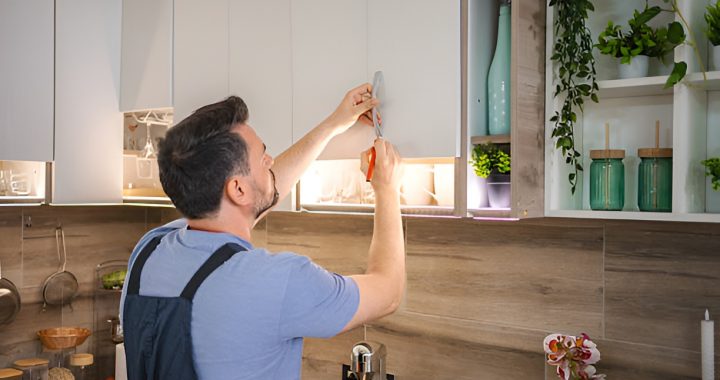 Where to Place Kitchen Cabinet Handles: Top Placement Tips for a Functional Kitchen
 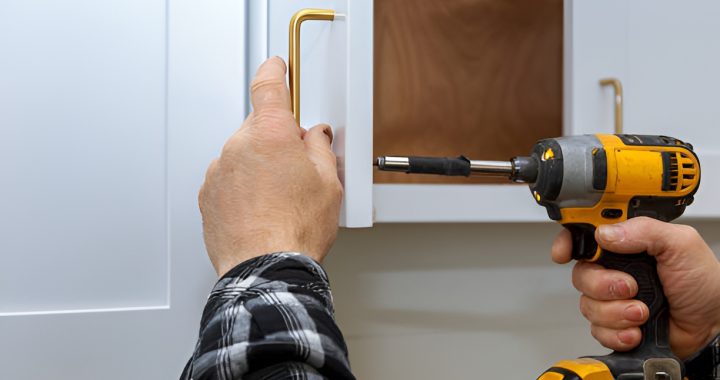 How to Install Kitchen Cabinet Handles on Drawers, Doors, and Different Cabinet Types
  Why Roof Repairs Matter After Severe Weather
  How to Choose Between Luxury Vinyl Flooring and Laminate for Your Home
  Important Upgrades for a Safer, More Comfortable Home
  The Ultimate Guide to Home Renovation Planning