Disaster-Proofing Your Investment A Comprehensive Guide to Modern Home Safety
Owning a property is often the most significant financial commitment a person makes in their lifetime. Whether that property is a primary residence or a managed rental property, the goal remains the same: protecting the asset from unforeseen damage while ensuring the safety of everyone inside. Modern home safety has evolved far beyond simply checking smoke detector batteries once a year. It now encompasses a holistic approach that combines technological integration, structural resilience, and proactive maintenance. When homeowners take the time to look at their houses through the lens of disaster-proofing, they are not just preventing accidents; they are securing their financial future.
Disaster-proofing is a broad term that covers everything from fire prevention and electrical security to mitigating the long-term effects of natural wear and tear. It involves identifying the “weak points” in a building and addressing them before they escalate into expensive emergencies. For those who manage multiple units, this level of oversight is even more critical. A single oversight in maintenance can lead to liabilities that far outweigh the cost of preventive measures. By focusing on modern safety standards, owners can create a living environment that stands strong against the elements and provides peace of mind for years to come.
The Foundation of Electrical Safety
The electrical system is essentially the nervous system of any house. In older homes, these systems were often not designed to handle the sheer volume of devices and appliances used today. Overloaded circuits and outdated wiring are leading causes of residential fires. This is where the expertise of a licensed electrician becomes indispensable. A professional can conduct a thorough audit of the electrical panel, ensuring that breakers are functioning correctly and that the house is properly grounded. They can also install arc-fault circuit interrupters, which are designed to detect dangerous electrical arcs and shut off the power before a fire can start.
Beyond fire prevention, modern electrical safety includes protecting sensitive electronics from power surges. Whole-home surge protectors are a smart investment that can save thousands of dollars in damaged equipment during a lightning strike or a grid malfunction. This level of foresight is a hallmark of a well-maintained home. It is about moving away from reactive repairs and toward a system of reliability. When the infrastructure of a house is sound, the occupants can rest easy knowing that the invisible forces powering their lives are under control and safely managed.
Managing Moisture and Indoor Air Quality
Water damage is one of the most insidious threats to a building’s integrity. It often starts small, with a slow leak behind a wall or a damp spot in the basement, but it can quickly spiral into a major health hazard. When moisture lingers, it creates the perfect environment for fungi to thrive. If a homeowner discovers a significant growth, they should immediately contact a professional mold removal service to handle the situation. Attempting to clean large-scale infestations without the proper equipment often does more harm than good, as it can release spores into the air that then travel to other parts of the house.
Indoor air quality is directly linked to the health of the residents. Respiratory issues, allergies, and other chronic conditions can be exacerbated by hidden environmental hazards. Preventing these issues requires a combination of good ventilation and consistent monitoring of humidity levels. Dehumidifiers in crawl spaces and basements can go a long way in keeping the structure dry. By addressing moisture problems at their source, property owners prevent the rot that can weaken wooden supports and the biological growth that can compromise the safety of the indoor environment.
Enhancing Safety Through Smart Renovation
When the time comes to update a home, safety should be at the forefront of the design process. Many people view a renovation solely through the lens of aesthetics, but it is also an opportunity to fix hidden dangers. For example, a comprehensive kitchen remodel allows for the installation of modern, safer appliances and updated gas lines. It is also the perfect time to ensure that the layout minimizes risks, such as placing the stove away from high-traffic walkways or ensuring that there is adequate lighting over prep areas to prevent accidents.
Choosing materials that are fire-resistant and easy to sanitize also adds a layer of protection. Non-porous surfaces are less likely to harbor bacteria, and modern flooring options can provide better traction to prevent slips and falls. These updates do more than just make the room look better; they make it a more functional and secure space for daily activities. When safety is integrated into the design, the result is a home that feels both luxurious and remarkably sturdy. It is an investment in the daily well-being of the family and the longevity of the physical structure.
Fire Prevention and Climate Control
Heating a home during the colder months introduces its own set of risks. Traditional wood-burning setups require meticulous maintenance to prevent the buildup of creosote, which is highly flammable. Many modern homeowners are opting for newer, cleaner-burning alternatives. Visiting a local fireplace store can provide insights into the latest safety certifications for gas or electric inserts. These modern units often come with automatic shut-off features and sensors that monitor for carbon monoxide, providing an extra layer of security that older models simply cannot offer.
Proper venting is another critical component of fire safety. Blocked chimneys or poorly installed vents can lead to the buildup of toxic gases inside the living space. Regular inspections and cleanings are non-negotiable parts of homeownership. By choosing high-quality heating elements and ensuring they are installed by certified professionals, owners can enjoy the warmth of their home without the constant worry of a potential fire. Safety in this area is about a commitment to using the best technology available and maintaining it with rigor.
Structural Resilience and Controlled Growth
As families grow, the need for more space often leads to the decision to expand. However, adding to an existing structure requires careful planning to ensure the original foundation can handle the new load. Professional contractors who specialize in home additions are trained to look at the structural integrity of the entire building. They ensure that new sections are properly tied into the existing frame and that the drainage around the new footprint is handled correctly to prevent future water issues.
Building codes exist for a reason, and following them strictly is the best way to disaster-proof an expansion. This includes using the right materials for the local climate, such as wind-resistant roofing or reinforced windows in areas prone to storms. A well-executed expansion should feel seamless, not just visually, but structurally. It should enhance the home’s ability to withstand external pressures rather than creating new vulnerabilities. When growth is managed with a focus on engineering and quality, the home becomes a more versatile and safer sanctuary.
Securing the Perimeter and Access Control
Physical security is the most direct form of home safety. It is the first line of defense against intruders and a crucial part of personal privacy. While many focus on cameras and alarm systems, the physical locks on the doors remain the most important barrier. Consulting with a local locksmith can reveal vulnerabilities in a home’s entry points that a layperson might miss. High-security deadbolts, reinforced strike plates, and smart locks with encrypted access codes are all modern solutions that significantly increase the difficulty of unauthorized entry.
Beyond preventing break-ins, modern access control is about convenience and emergency preparedness. Smart locks allow homeowners to grant temporary access to guests or service workers without having to hand out physical keys that could be lost or duplicated. They also provide logs of who entered the house and when, offering a clear record of activity. In the event of an emergency, having reliable and easily operable locks is essential for a quick exit. Security is most effective when it is layered, combining physical strength with intelligent monitoring.
The Importance of Consistent Hygiene
While it might not seem like a “disaster” in the traditional sense, the gradual buildup of dust, allergens, and grime can lead to a significant decline in the home’s environment. Regular, deep house cleaning is a vital part of maintaining a healthy living space. It prevents the accumulation of triggers for asthma and allergies, and it allows homeowners to spot small problems—like a tiny leak under a sink or a crack in a window frame—before they become major issues. A clean home is much easier to inspect and maintain than one cluttered with neglected items.
Specialized cleaning also plays a role in safety. For instance, keeping the dryer vent clear of lint is a simple task that prevents thousands of house fires every year. Keeping the kitchen grease-free reduces the fuel for potential cooking fires. By making cleanliness a priority, property owners are essentially performing a frequent, low-level audit of their home’s condition. This habit of care ensures that the property remains a pleasant and safe place to live, reflecting the pride and responsibility of the owner.
Outdoor Resilience and Landscaping

The area surrounding the house is just as important as the structure itself when it comes to safety. Large trees with dead branches can be a major hazard during a storm, and overgrown bushes can provide cover for intruders. Furthermore, the health of the soil affects how water drains away from the foundation. Engaging with professional fertilizing services can help maintain a thick, healthy lawn that prevents soil erosion. A well-maintained landscape acts as a buffer zone, protecting the house from extreme weather and providing a clear view of the property.
In fire-prone areas, creating a “defensible space” is a key part of disaster-proofing. This involves keeping flammable vegetation away from the house and ensuring that the lawn is kept green and hydrated. Healthy plants are more resilient and less likely to become tinder in a drought. Strategic landscaping can also help with energy efficiency, as well-placed trees provide shade in the summer and windbreaks in the winter. The exterior of a home should be treated as a functional extension of the building’s safety systems.
Validating Improvements and Market Value
After investing time and money into making a home safer, it is important to document those changes. Many safety upgrades, while not always visible, add significant value to the property. When it comes time to sell or refinance, a professional home appraisal service will take these improvements into account. Features like updated wiring, a new roof, or a professionally mitigated basement are all points of data that prove the house is a low-risk, high-quality asset. This documentation provides a clear trail of the care and attention given to the property.
Safety is a powerful selling point. Buyers in the modern market are increasingly looking for homes that are “move-in ready” and free of the hidden headaches that come with older, neglected properties. Proving that a home has been disaster-proofed with professional services gives potential buyers the confidence to make a strong offer. It transforms the house from a mere structure into a secure investment. Ultimately, the work put into safety pays off twice: once in the peace of mind it provides during residency, and again in the financial return realized at the time of sale.
A Long-Term Commitment to Excellence
Building a safe and resilient home is not a one-time project; it is an ongoing commitment. It requires a mindset that values prevention over repair and quality over convenience. By working with specialized professionals—from electricians to security experts—homeowners can ensure that every aspect of their property is functioning at its best. This proactive approach reduces the stress of homeownership and ensures that the house remains a safe haven for everyone who enters.
The modern world brings new challenges, from changing weather patterns to new technological risks. However, it also provides better tools and more information than ever before to meet those challenges. Disaster-proofing is about using those tools wisely. It is about understanding that a home is more than just a roof over one’s head; it is a complex system that requires regular care and attention. When a property is treated with that level of respect, it rewards the owner with durability, comfort, and a lasting legacy of safety.
In the end, the true value of a home is found in the security it provides. Whether it is a cozy bungalow or a sprawling estate, the principles of disaster-proofing remain the same. It is about being prepared, being proactive, and being professional in the management of one’s most important asset. By following a comprehensive safety roadmap, any property owner can turn their house into a fortress of well-being, ready to face whatever the future may hold. This is the essence of modern home safety: a blend of tradition, technology, and a deep-seated commitment to the protection of the home and the family within.
 Why Roof Repairs Matter After Severe Weather
  How to Choose Between Luxury Vinyl Flooring and Laminate for Your Home
  How to Know When You Should Replace Your Gutters
  What You Should Know About Your Home’s HVAC Unit
  Why Homeowners Trust Local Pool Companies for Quality Work
  Your All-in-One Guide to Home Renovations, Roofing, HVAC Companies, and Water Damage Restoration
  Seasonal Home Checks That Catch Expensive Problems Early
 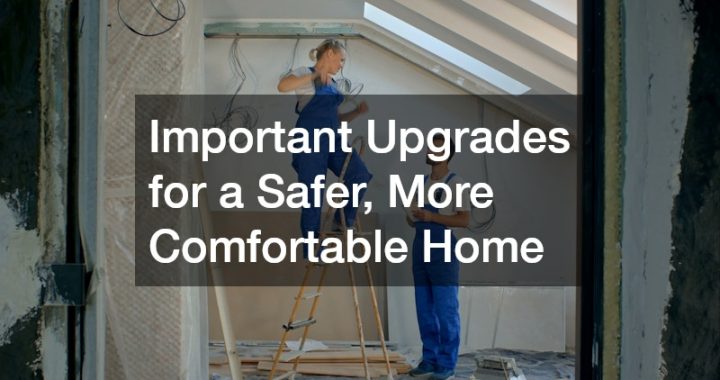 Important Upgrades for a Safer, More Comfortable Home