Most Common Causes of Roof Repair
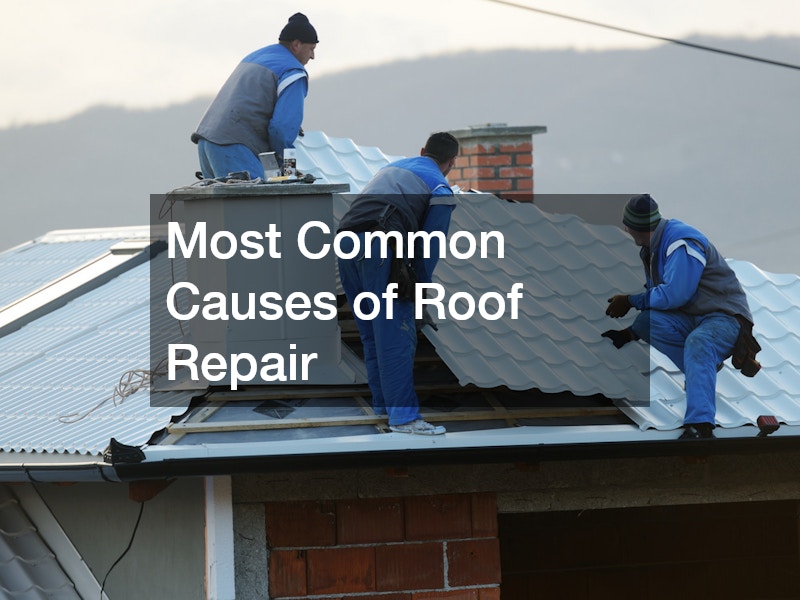
A roof is built to take a beating, but even well-installed systems wear down under real-world conditions. Many homeowners do not notice early warning signs because problems often start small, such as a lifted shingle, a tiny puncture, or a worn seal around a vent. Over time, that minor weakness can let in moisture, create hidden rot, and turn into a larger structural concern. Knowing the most common causes of roof damage helps you spot issues sooner and make smarter decisions about maintenance, inspections, and scheduling roof repair before a small leak becomes a big mess.
Storm Damage And High Winds
Severe weather is one of the top reasons roofs fail unexpectedly. High winds can lift shingles, loosen flashing, and pull fasteners free, especially along edges, ridgelines, and around roof penetrations.
Once wind breaks the seal that keeps water out, rain can slip underneath and start soaking the roof deck. Hail is another major culprit because it can bruise shingles, crack tiles, and knock protective granules off asphalt shingles, which speeds up aging. After strong storms, it is smart to check for missing shingles, dented vents, debris impacts, and water stains in the attic, since these are common triggers for roof repair.
Aging Materials And Normal Wear
Even without dramatic storms, roofing materials naturally degrade over time. Sun exposure can dry out shingles, making them brittle and more likely to crack or curl. Daily temperature swings cause expansion and contraction that slowly loosens seals and weakens joints. Granules that protect asphalt shingles can wash away, reducing UV protection and shortening the roof’s lifespan. Older roofs may also have nails backing out, exposed underlayment, or thinning areas that are easier for water to penetrate. When wear is widespread, roof repair becomes less about a single fix and more about addressing a pattern of age-related failures.
Poor Installation Or Low Quality Workmanship
Many roofing issues trace back to how the roof was installed, not just what it has been through. Misaligned shingles, improper nailing, and weak sealing can create pathways for water from day one. Flashing mistakes are especially common, such as using the wrong metal, skipping critical pieces, or failing to integrate flashing correctly with shingles. Underlayment problems, poor ventilation planning, and shortcuts around penetrations can also cause early leaks. If a roof begins leaking soon after installation or shows repeated issues in the same areas, roof repair may point to underlying workmanship problems that need to be corrected, not patched repeatedly.
Flashing Failures Around Vulnerable Areas
Flashing is the thin material that seals transitions where water naturally wants to collect, such as chimneys, skylights, valleys, and where the roof meets walls. When flashing rusts, cracks, separates, or was installed incorrectly, water can run behind it and travel into the home. Sealants around flashing can also dry out and shrink over time, leaving gaps that are hard to see from the ground. Valleys are another high-risk area because they carry a lot of runoff, and even small defects can lead to leaks. Many roof repair calls come down to restoring proper flashing and water-shedding design in these vulnerable zones.
Clogged Gutters And Poor Drainage
Water is supposed to flow off the roof and away from the house, but drainage problems can trap moisture where it does damage. When gutters clog with leaves or debris, water can back up and overflow, soaking fascia boards and pushing moisture up under the edge of the roof. In colder conditions, backed-up water can contribute to ice dams that force water beneath shingles. Poor gutter slope, missing downspouts, and sagging sections can also cause water to pool in the wrong places. Keeping gutters clear and drainage working properly is a simple step that can reduce the chance of needing roof repair caused by chronic moisture exposure.
Ventilation Problems And Condensation
Not all roof damage comes from rain entering from above. Inadequate attic ventilation can trap heat and moisture, which may lead to warped decking, mold growth, and premature aging of shingles. Condensation can form when warm indoor air meets cold roof surfaces, especially in winter, and that moisture can drip onto insulation and wood framing. Over time, the roof structure can weaken even if the roof covering looks fine from the outside. If you notice musty odors, damp insulation, or frost in the attic, it may be time to investigate ventilation and moisture control as part of a proactive roof repair plan.
Tree Limbs, Debris, And Foot Traffic
Physical impacts are another common cause of roof damage. Falling branches can puncture shingles, crack tiles, or dent metal panels, and even smaller debris can scrape away protective surfaces. Moss and algae can also trap moisture and create conditions where materials degrade faster, particularly in shaded areas. On top of that, repeated foot traffic from service work can break shingles or damage tiles if the roof is not walked carefully. If you have trees overhanging the roof or notice scuffed areas and damaged spots after work has been done, a timely roof repair can prevent those small impacts from turning into leaks.
 Why Roof Repairs Matter After Severe Weather
  How to Choose Between Luxury Vinyl Flooring and Laminate for Your Home
 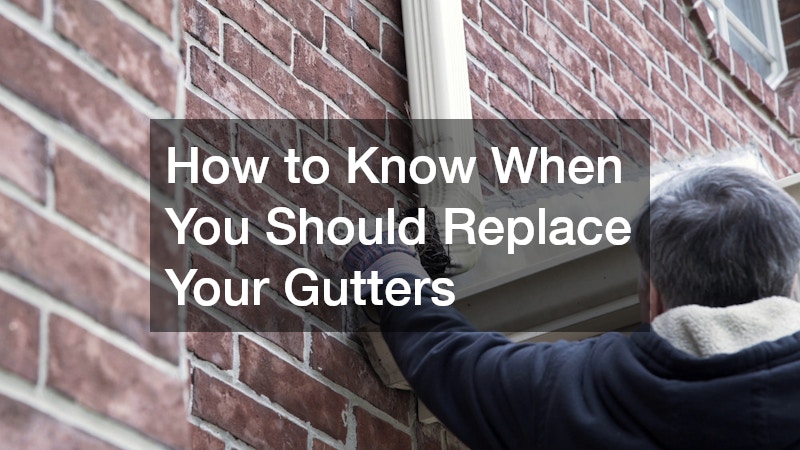 How to Know When You Should Replace Your Gutters
  What You Should Know About Your Home’s HVAC Unit
  Disaster-Proofing Your Investment A Comprehensive Guide to Modern Home Safety
  Why Homeowners Trust Local Pool Companies for Quality Work
  Important Upgrades for a Safer, More Comfortable Home
  The Ultimate Guide to Home Renovation Planning