Upgrade Outdoor Surfaces for Safety and Curb Appeal
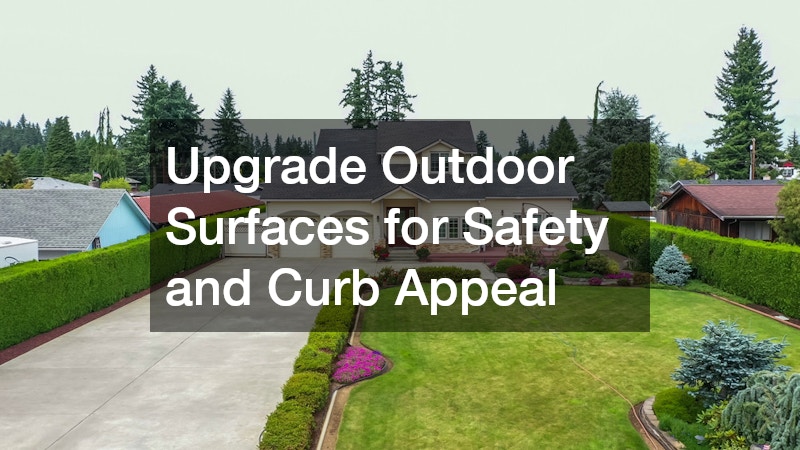
Outdoor surfaces such as driveways, walkways, and patios contribute to both functionality and appearance. Proper maintenance and upgrades enhance safety and curb appeal. Beyond aesthetics, well-maintained surfaces also prevent accidents, improve accessibility, and ensure proper drainage around your home. Neglecting these areas can lead to costly repairs, especially when cracks or uneven surfaces worsen over time.
When to Upgrade
- Cracks or uneven surfaces
- Drainage issues causing pooling water
- Fading or worn materials
- Loose or shifting pavers that create tripping hazards
- Surface deterioration from freeze-thaw cycles or heavy traffic
A skilled paving contractor can recommend the best materials and designs for your needs, taking into account climate conditions, usage, and long-term maintenance requirements. They can also evaluate grading and drainage to prevent water from collecting near your home’s foundation.
Material Options
- Asphalt for affordability and quick installation
- Concrete for durability and low maintenance
- Pavers for aesthetic appeal and design flexibility
- Permeable pavers for improved drainage and environmental benefits
- Decorative stamped concrete for a customized look without high costs
Maintenance Tips
- Seal surfaces to prevent damage from moisture and UV exposure
- Repair cracks promptly to avoid expansion and structural issues
- Keep surfaces clean and debris-free
- Remove snow and ice carefully to avoid surface damage
- Reapply sealant every few years depending on material type
Additional enhancements such as outdoor lighting, edging, and landscaping integration can further elevate the look and usability of your outdoor areas. Upgraded outdoor surfaces improve accessibility, safety, and overall property value while creating a welcoming first impression.
Design Functional and Stylish Interior Spaces
Interior upgrades play a significant role in improving daily living and increasing property value. The kitchen, in particular, is one of the most impactful areas to renovate, as it serves as both a functional workspace and a central gathering area for family and guests. Thoughtful design can dramatically improve efficiency, organization, and overall enjoyment of the space.
Planning Your Space
- Focus on efficient layouts such as the work triangle between sink, stove, and refrigerator
- Maximize storage solutions with vertical space, pull-out shelves, and hidden compartments
- Consider workflow and accessibility for daily tasks
- Plan for adequate counter space to support meal preparation and appliances
- Incorporate zones for cooking, cleaning, and storage to streamline activities
High-quality kitchen cabinetry enhances both functionality and design by providing durable storage solutions and contributing to the overall aesthetic of the room.
Design Tips
- Choose durable materials that withstand daily wear and moisture
- Select finishes that complement your home’s style, whether modern, traditional, or transitional
- Incorporate modern storage solutions like soft-close drawers, lazy Susans, and built-in organizers
- Use a mix of open shelving and closed cabinets for both display and storage
- Integrate lighting under cabinets to improve visibility and ambiance
Budget-Friendly Upgrades
- Refinish or repaint existing cabinets to give them a fresh appearance
- Replace hardware such as handles and knobs for an updated look
- Add lighting to enhance visibility and create a warm atmosphere
- Install backsplash materials to protect walls and add visual interest
A well-designed kitchen improves usability and adds long-term value to your home, making it one of the most worthwhile investments in any renovation project.
Respond Quickly to Water Damage and Restore Your Home
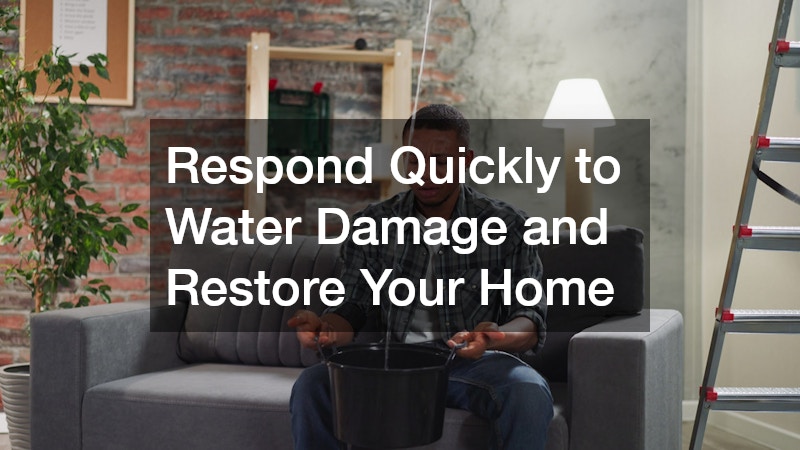
Water damage can occur unexpectedly and escalate quickly. Prompt action is essential to minimize damage and restore your home. Even a small leak can lead to mold growth, structural weakening, and costly repairs if not addressed immediately. Understanding how to respond effectively can make a significant difference in the outcome.
Common Causes
- Burst pipes
- Roof leaks
- Appliance malfunctions
- Overflowing sinks, tubs, or toilets
- Poor drainage around the foundation
Professional water damage restoration services address these issues effectively, while a restoration company can handle repairs and rebuilding. These experts use specialized equipment such as industrial dryers, moisture meters, and dehumidifiers to ensure thorough drying and prevent hidden damage.
Immediate Steps to Take
- Shut off water sources to stop further flooding
- Remove standing water using pumps or wet vacuums
- Dry affected areas with fans and dehumidifiers
- Move furniture and valuables away from wet areas
- Document damage with photos for insurance claims
Prevention Strategies
- Inspect plumbing regularly for leaks or corrosion
- Maintain roofing and gutters to prevent water intrusion
- Install water detection systems near appliances and vulnerable areas
- Ensure proper grading around your home to direct water away
- Replace aging pipes and fixtures before failure occurs
Quick response and professional assistance reduce long-term damage, improve restoration outcomes, and help homeowners return to normal living conditions faster.
Coordinate Multiple Projects for Efficiency and Savings
Managing multiple home improvement projects can be challenging but offers opportunities for cost savings and efficiency. When planned properly, coordinating projects can reduce labor costs, minimize disruptions, and create a more cohesive final result.
Benefits of Coordination
- Reduced labor costs through combined scheduling
- Streamlined timelines that shorten overall project duration
- Consistent design and materials across different areas
- Improved communication between contractors
Working with a siding company and HVAC companies simultaneously can minimize disruptions and ensure compatibility between systems. For example, upgrading insulation or siding while installing a new HVAC system can significantly improve energy efficiency.
Tips for Success
- Create a detailed schedule outlining each phase of the project
- Communicate clearly with contractors about timelines and expectations
- Monitor progress regularly to ensure work stays on track
- Order materials in advance to prevent delays
- Assign a project manager or point of contact to coordinate efforts
Careful planning helps avoid common issues such as scheduling conflicts, material shortages, and budget overruns. Coordinated efforts result in smoother projects, improved efficiency, and better long-term outcomes.
Maintain Your Home with a Long-Term Care Plan

A long-term maintenance plan helps preserve your home’s condition and prevents costly repairs. Regular upkeep ensures that systems operate efficiently and that small issues are addressed before they become major problems.
Creating a Maintenance Schedule
- Seasonal inspections for all systems, including roofing, plumbing, and HVAC
- Regular cleaning and servicing of gutters, drains, and appliances
- Tracking repairs and upgrades to monitor system performance
- Scheduling annual professional inspections for key areas
Combining pest control services with support from a gutter company ensures your home remains protected from environmental and structural threats. Regular inspections help identify potential issues such as pest entry points or clogged gutters before they cause damage.
Best Practices
- Keep detailed maintenance records for warranties and future planning
- Budget for ongoing upkeep and unexpected repairs
- Address issues promptly to prevent escalation
- Use reminders or apps to stay on schedule
- Educate household members on proper system use and care
Consistent care extends the lifespan of your home’s systems, improves efficiency, and maintains property value over time.
Conclusion
Maintaining and improving your home requires a balanced approach that combines planning, proactive care, and strategic upgrades. By focusing on key areas such as structural integrity, system efficiency, and interior functionality, homeowners can create a comfortable, safe, and visually appealing environment.
Investing in routine maintenance and working with experienced professionals ensures long-term reliability and cost savings. With the right approach, your home can remain a valuable and enjoyable space for years to come.