
There is an undeniable majesty to a landscape graced by mature, sprawling canopies. These massive living structures provide profound benefits to any residential or commercial property. They cast cooling shade that can significantly lower summer cooling costs, act as natural windbreaks during harsh weather, improve local air quality, and provide essential habitats for neighborhood wildlife. Furthermore, a well-maintained, mature landscape can dramatically boost your property’s curb appeal and drive up its overall real estate value. However, it is incredibly easy for property owners to take these towering fixtures for granted. Because they grow so slowly and seem so permanent, we often forget that they are living organisms susceptible to disease, structural fatigue, and environmental stress.
Responsible property management requires you to look at your landscape proactively rather than reactively. Waiting for a massive branch to crash through your roof or crush a vehicle in your driveway is the absolute most expensive, dangerous, and stressful way to manage your yard. True stewardship means staying ahead of potential hazards, recognizing the subtle signs of biological decline, and understanding how to safely manipulate the landscape to serve your long-term property goals.
This comprehensive guide is designed to walk you through the entire lifecycle of landscape management. We will explore how to conduct rigorous routine health checks, the complex logistics of preparing raw acreage for new development, and the precise mechanics of safely taking down dying timber. Additionally, we will cover how to handle the terrifying aftermath of severe weather crises and the final steps required to restore your ground for future planting. By mastering these phases, you can ensure your property remains a safe, beautiful sanctuary for decades to come.
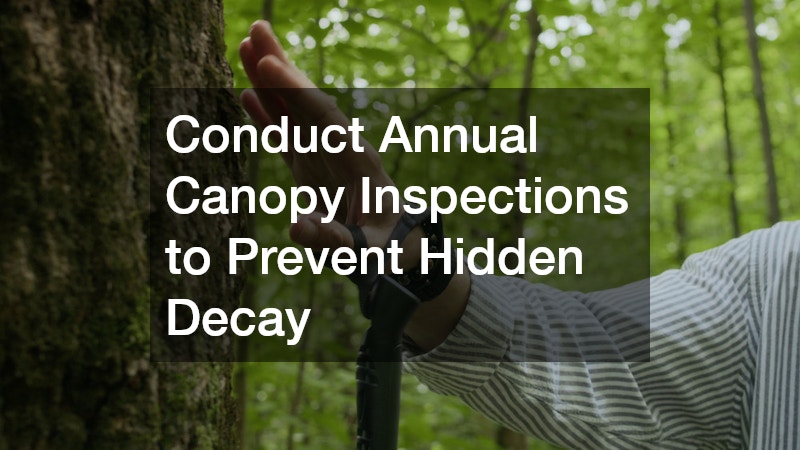
Conduct Annual Canopy Inspections to Prevent Hidden Decay
The structural integrity of a massive plant is rarely compromised overnight. In most cases, structural failure is the final result of years of hidden decay, fungal infections, or progressive root damage. The key to preserving your landscape and protecting your home is learning how to identify the early warning signs of these issues before they escalate into catastrophic failures. Conducting an annual visual inspection of your property is a mandatory practice for any diligent homeowner.
When you perform your yearly assessment, you must look closely at the roots, the trunk, and the crown.
Be highly vigilant for the following early warning signs:
- Fungal Growth at the Base: The presence of mushrooms or conks growing around the base of the trunk or directly on the wood is a severe red flag. This often indicates advanced internal decay or root rot, meaning the structural foundation is quietly rotting away from the inside out.
- Deep Cracks and Co-dominant Stems: Inspect the trunk for deep, vertical fissures. Pay special attention to “V-shaped” forks where two large trunks meet. These unions are naturally weak and highly susceptible to splitting under the weight of heavy foliage or ice.
- Premature Leaf Drop or Discoloration: If you notice that a specific section of the canopy is shedding leaves in the middle of summer, or if the leaves are yellowing out of season, the vascular system is likely compromised. This can be caused by soil compaction, drought, or pest infestations.
- Heaving Soil: Look at the ground immediately surrounding the base. If the soil is lifting or cracking on one side, the root plate is actively failing, and the entire structure is at immediate risk of toppling.
If you observe any of these alarming indicators, it is imperative to bring in a certified arborist to perform a thorough diagnostic evaluation. These highly educated professionals understand the complex biology of wood decay and can utilize specialized tools, like sonic tomographs, to literally see inside the trunk and measure the extent of the hollow rot. Catching a disease or structural flaw early often means the specimen can be saved through targeted treatments, cabling, or bracing, rather than having to be cut down entirely.
Beyond disease management, regular maintenance is vital for structural longevity. A dense, overgrown canopy catches the wind like a solid sail, putting immense stress on the root system during a storm. Establishing a routine pruning schedule is the best defense against this kind of windthrow. By utilizing professional tree trimming services, you can ensure that deadwood is safely removed, the canopy is strategically thinned to allow wind to pass through smoothly, and heavy, overextended limbs are reduced before they snap under their own weight. This proactive maintenance keeps the structure perfectly balanced and significantly reduces the risk of property damage.
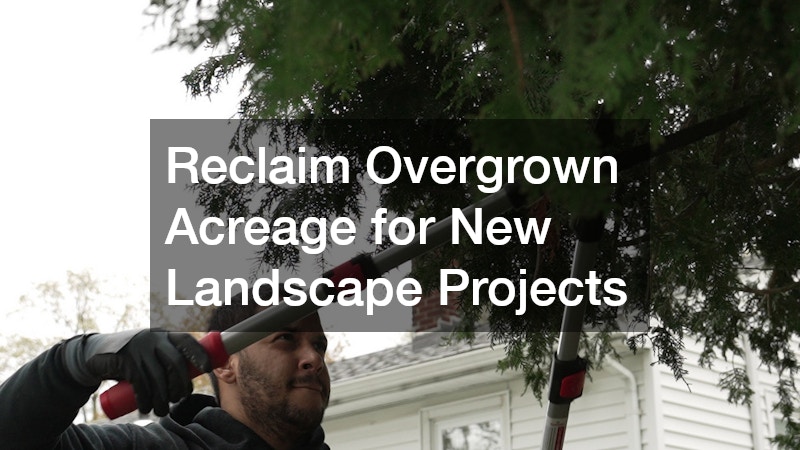
Reclaim Overgrown Acreage for New Landscape Projects
Sometimes, managing a property goes beyond maintaining a few mature specimens in a manicured front yard. If you have recently purchased a neglected lot, inherited rural property, or are preparing to build an addition to your home, you will likely face the daunting task of reclaiming overgrown acreage. Transitioning a dense, chaotic plot of raw earth into a pristine, buildable landscape is a massive logistical undertaking that requires heavy machinery, strategic environmental planning, and strict adherence to local regulations.
The process of opening up a heavily wooded lot is incredibly complex. It involves far more than simply running a chainsaw. You must consider soil erosion, water runoff, and the protection of any heritage specimens you wish to keep. Comprehensive land clearing requires specialized industrial equipment such as skid steers equipped with forestry mulchers, massive bulldozers to grade the earth, and tub grinders to process thousands of pounds of woody debris into manageable mulch. Attempting to tackle this scale of property development as a weekend do-it-yourself project is not only exhausting but highly dangerous and environmentally irresponsible if not done to code.
Because of the high stakes involved in large-scale property development, vetting the professionals you hire is the most critical step of the entire project. You cannot simply hire the first person who leaves a flyer on your door; you must conduct rigorous interviews and demand transparency.
Use this checklist when evaluating and comparing bids from various local contractors:
- Verify Comprehensive Insurance: This is non-negotiable. Ensure the contractor carries both robust general liability insurance and, crucially, workers’ compensation insurance. If a worker is injured on your property and the company does not have workers’ comp, you could be held personally liable for their medical bills.
- Check Credentials and References: Ask for a portfolio of similar lot-clearing projects. Contact their past clients to inquire about their professionalism, adherence to timelines, and how they handled unexpected challenges on the job site.
- Understand the Equipment Being Used: Different tree companies utilize different methods for lot preparation. Some will bulldoze and burn the debris, while others will utilize eco-friendly forestry mulching that returns nutrient-rich woodchips directly to your topsoil. Choose the company whose methods align with your end goals for the property.
- Clarify Permitting Responsibilities: Many municipalities have strict ordinances regarding the removal of native species or disturbing soil near wetlands. Ensure your contract explicitly states who is responsible for pulling the necessary environmental permits before the heavy machinery arrives.
By carefully assessing the scope of your acreage and meticulously vetting your contractors, you can transform a wild, unusable lot into a beautifully graded blank canvas, ready for your next big architectural or landscaping vision.
Dismantle Dead or Dying Timber Before It Fails
Even with the best preventative care and the most attentive property management, all living things have a lifespan. Eventually, you will be faced with a specimen that has succumbed to disease, suffered a lethal lightning strike, or simply reached the end of its natural life cycle. Leaving dead timber standing on your property is an extreme liability. As the wood dries out, it becomes incredibly brittle and unpredictable. A dead trunk can suddenly collapse on a perfectly calm, windless day, causing catastrophic damage to anything—or anyone—in its path.
Recognizing the point of no return is crucial. While it can be emotionally difficult to part with a massive oak that has shaded your home for decades, safety must always dictate your actions. If more than fifty percent of the crown is completely devoid of leaves during the growing season, if the trunk is severely hollowed out by insect damage, or if the entire structure has developed a sudden, dramatic lean toward a target (like your house, a neighbor’s fence, or the street), it is time to take immediate action. In these high-stakes residential scenarios, hiring professional tree removal services is the only logical and safe course of action. Confined residential spaces leave absolutely no room for error, and bringing down massive weights requires specialized engineering.
The mechanics of safely dismantling a towering structure in a tight suburban backyard are fascinating and highly complex. It is not a matter of simply cutting the base and yelling “timber.” It is an intricate process governed by the laws of physics, tension, and weight distribution.
Here is a look at how professionals execute safe dismantling:
- Ascension and Assessment: A highly trained climber, wearing spiked boots and a complex harness system, scales the trunk. They must constantly assess the integrity of the wood they are climbing, ensuring it is strong enough to hold their weight and the extreme forces of the rigging ropes.
- Strategic Rigging: The climber installs high-strength pulleys and friction devices (called port-a-wraps) at the top of the canopy. These devices allow a ground crew to control the descent of thousands of pounds of wood with incredible precision.
- Piece-by-Piece Lowering: Instead of letting branches free-fall, the tree remover meticulously cuts sections of the canopy, which are then slowly and safely lowered to the ground crew. This ensures that the delicate landscaping, patios, and rooflines directly below remain completely untouched.
- Trunk Blocking: Once the canopy is gone, the main trunk is dismantled block by block. The climber cuts large, cylindrical sections of the trunk and pushes them to a safe drop zone, or rigs them to be lowered if the drop zone is too fragile.
This meticulous, physics-based approach guarantees that even the most massive, dangerous deadwood can be safely extracted from the tightest of spaces without causing a single scratch to your surrounding property.
React Safely and Swiftly to Sudden Structural Failures
No matter how diligently you inspect your property or how perfectly you prune your canopy, Mother Nature always has the final say. Severe weather events—ranging from hurricane-force winds and torrential downpours to heavy ice accumulations and sudden microbursts—can exert unimaginable forces on your landscape. When a massive storm rolls through, even the healthiest, most robust specimens can suffer catastrophic structural failures. Waking up to find a massive limb resting on your roof or a completely uprooted trunk blocking your driveway is a terrifying and overwhelming experience.
In the chaotic aftermath of a severe storm, your immediate priority must be absolute safety. Adrenaline can push homeowners to make dangerous decisions, like grabbing a chainsaw and attempting to clear the driveway themselves. You must resist this urge.
Follow these strict safety protocols immediately after a severe weather event:
- Assume All Wires are Live: If a falling branch has taken down a power line, or if the canopy is tangled in utility wires, stay inside and keep everyone away from the area. Call your local utility provider immediately. Wood conducts electricity, and touching the branches or the wet ground nearby can be instantly fatal.
- Watch for “Widow-Makers”: Look up before walking around your property. Storms often leave massive, heavy branches snapped off but suspended precariously in the canopy above. These widow-makers can fall at any moment without warning.
- Call Specialized Responders: standard landscaping crews are not equipped for disaster zones. You must contact crews trained in emergency tree removal. These rapid-response teams understand how to safely untangle tension-loaded branches that can act like giant, lethal springs when cut, and they have the heavy cranes necessary to lift massive weights off of compromised roof structures without causing further collapse.
Once the immediate physical danger has been mitigated by the professionals, your next phase is dealing with the financial fallout. Storm damage often involves complex homeowner’s insurance claims. Proper documentation is the difference between a swiftly approved claim and a bureaucratic nightmare.
Before any cleanup begins, take dozens of photographs and videos of the damage from multiple, safe angles. Document the exact timeline of the storm and the resulting failure. Furthermore, ensure you coordinate closely with a crew that specializes in storm damage tree removal, as these specific professionals know exactly how to write up the detailed invoices and structural assessments that insurance adjusters require. They can often communicate directly with your insurance company to justify the use of expensive cranes or specialized rigging gear, ensuring you are properly reimbursed for the costly cleanup effort.
Eradicate Leftover Hazards to Prepare Your Soil for Planting
After the chainsaws have gone silent and the massive sections of the trunk have been hauled away, property owners often feel a sense of relief, assuming the job is entirely finished. However, bringing the canopy down and hauling away the brush is only a portion of the project. What remains in the ground is an ugly, hazardous reminder of the timber that once stood there. Leaving a large base rooted in your yard is a terrible landscaping decision that will haunt your property for years to come.
As the leftover root system slowly begins to decay in the soil, it becomes an absolute magnet for destructive pests. Carpenter ants and subterranean termites will flock to the rotting wood to build their colonies. Once they have established a foothold in the dead roots, it is only a matter of time before they march across your lawn and begin exploring the wooden foundation of your house. Additionally, decaying roots foster harmful fungal diseases, such as honey fungus, which can aggressively spread through the soil and attack the healthy shrubs, flowers, and turf grass in your yard.
To fully sanitize your landscape and eliminate these hidden tripping hazards, you must invest in thorough local stump removal. This process involves bringing in a high-powered mechanical grinder with a massive, carbide-tipped wheel. The machine systematically chews the remaining wood down to sawdust, typically grinding six to twelve inches below the grade of the surrounding soil. This effectively destroys the central root mass, preventing pests from taking up residence and ensuring that unsightly shoots do not attempt to sprout back up from the remains.
To ensure your project reaches a seamless and satisfactory conclusion, you must pay close attention to your initial contract negotiations. Never assume that grinding is included in a standard takedown quote. When you are finalizing the details with your primary tree removal company, you must ask specific, pointed questions about the final cleanup. Ensure the contract explicitly states that they will not only grind the roots below grade but will also haul away the massive mound of resulting wood chips. Furthermore, request that they backfill the resulting crater with high-quality topsoil and seed it. By demanding this level of comprehensive service, you ensure that the moment the crew drives away, your yard is flat, safe, and immediately ready for your next beautiful landscaping endeavor.